The information provided in this article is intended solely for general informational and educational purposes. It does not constitute medical advice, diagnosis or professional treatment, and should not be considered a substitute for consultation with a qualified doctor or other licensed healthcare professional. Any health-related decisions should be made in consultation with accredited medical professionals.
While efforts have been made to ensure the information is accurate and up to date, no guarantees are given—either express or implied—regarding its accuracy, completeness, currency or suitability. Use of this information is at your own discretion.
It is strongly recommended to consult official sources such as the NHS (National Health Service) or other recognised medical institutions before acting on any information contained on this website or article. Under no circumstances should professional medical advice be ignored or delayed due to content read here.
This content is of a general and informational nature only. It is not intended to replace individualised guidance from a healthcare professional or to establish any doctor-patient relationship. The publication of this information does not imply any professional responsibility, guarantee or obligation on the part of the author or this site.
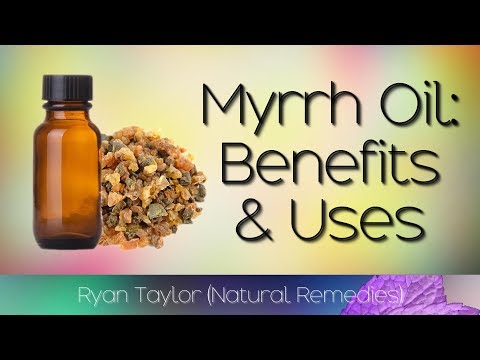
Have you ever heard of myrrh oil? It’s one of those ancient substances with a reputation that’s been passed down through generations. You might find it surprising that this oil, derived from the resin of the Commiphora myrrha tree, has some intriguing health benefits.
Many people think of essential oils as just fragrant additions to their homes, but they can offer much more than that. Myrrh oil is a shining example, with uses ranging from skincare to soothing digestive troubles. Imagine having a natural remedy at your fingertips.
This article will explore 11 surprising health benefits of myrrh oil. Some may just blow your mind! For example, did you know it might help boost your immune system or support oral health? The thing is, understanding these potential advantages can lead you toward a more holistic approach to well-being.
Just keep in mind that while this information is insightful, it doesn’t replace professional medical advice. Always check in with a healthcare professional before making any big changes to your health routine!
Unlocking the Ancient Secrets of Myrrh Oil for Modern Wellness
Understanding Myrrh Oil
Hey, so let’s talk about myrrh oil. You might have heard of it as an ancient remedy, right? But, it’s not just a historical footnote; it’s gaining traction in modern wellness circles. Derived from the resin of the Commiphora myrrha tree, it has been used for thousands of years. Think of it like nature’s gift that has found its way into our health routines.
What Are Its Benefits?
So, what can myrrh oil actually do for you? People often mention a variety of benefits. For instance, its anti-inflammatory properties might help with overall discomfort—kinda like how ice can soothe a sprain. Many people also use it for skin issues like dryness or minor irritations.
- Aromatherapy: Inhaling myrrh oil may promote feelings of relaxation. It is often used in diffusers during meditation.
- Oral Health: Some folks believe that swishing diluted myrrh oil can help fight bad breath and support gum health.
- Skin Care: It may assist in keeping skin moisturized and could be added to lotions for a natural boost.
- Wound Healing: Myrrh is thought to have antiseptic effects which could support minor cuts and scrapes.
The Science Behind It
Now you might be wondering if there’s any science to back this up. Well, some studies suggest that compounds in myrrh possess antibacterial and anti-fungal properties. But remember, research is ongoing and results can differ from person to person. So don’t just take someone’s word for it!
Cautions and Considerations
If you’re thinking about using myrrh oil, it’s good to dilute it first before applying directly to your skin—like mixing paint before coloring! And it’s wise to do a patch test on a small area first just to make sure you don’t react negatively.
Also, keep in mind that essential oils can interact with medications or conditions. If you’re taking prescriptions or have underlying health concerns, best check with someone who knows your medical history before diving in. You know?
A Historical Perspective
The use of myrrh goes way back; ancient Egyptians included it in embalming and rituals because they believed it had spiritual significance. This link between spirituality and wellness is fascinating! It shows how different cultures valued natural remedies long before modern medicine stepped into the picture.
Your Takeaway
If you’re curious about incorporating things like myrrh oil into your life, start small! Explore its uses thoughtfully rather than jumping straight into full-blown applications.
The key here is understanding your body and responding appropriately—what works wonders for one person might not be great for another! So keep an open mind but also stay grounded in reality when exploring natural remedies like this one.
Discover the ancient wisdom and healing powers of myrrh oil for your soul and spirit.
Understanding Myrrh Oil
Myrrh oil comes from the resin of the Commiphora myrrha tree. This tree is native to parts of Africa and the Middle East. Known for its distinct aroma, myrrh has been used for centuries in traditional medicine and spiritual practices.
A Rich History
The use of myrrh dates back thousands of years. Ancient Egyptians used it in embalming, while others cherished it for its fragrance in religious ceremonies. So, when people talk about the “ancient wisdom” behind myrrh oil, they refer to its long-lasting significance in healing and spirituality.
Possible Benefits
- Anti-inflammatory properties: Myrrh has been studied for its potential to reduce inflammation. Think about how a swollen ankle can feel after an injury; reducing inflammation can help speed up recovery.
- Antiseptic qualities: Some suggest that myrrh could help in preventing infections due to its antiseptic nature. Imagine putting a protective shield on a cut; that’s kind of what it might do.
- Mood enhancer: The aroma of myrrh is said to promote relaxation and calmness. Like how your favorite scent can suddenly brighten your mood?
- Pain relief: People have turned to myrrh oil as a natural option for minor aches and pains. It’s not a magic potion, but some find comfort in it.
The Soul and Spirit Connection
You might wonder about the “soul and spirit” aspect mentioned around myrrh oil. In many cultures, scents are linked with memory and emotion. Burning myrrh incense during meditation or prayer can create an atmosphere of peace—kind of like finding your happy place.
Aromatherapy Use
A lot of folks use essential oils for aromatherapy, which involves using plant extracts to promote well-being. When diffused or blended with carrier oils, like coconut or olive oil, myrrh might help with relaxation or focus during moments when you need clarity.
Cautions and Considerations
It’s important to note that while some people find benefits from using essential oils like myrrh, they aren’t one-size-fits-all solutions. Everyone’s body reacts differently! Also, if you’re considering using it topically, it’s wise to dilute it properly first.
Final Thoughts
If you’re interested in exploring the powers attributed to myrrh oil—whether for physical or emotional wellness—learning more about how it’s used can be beneficial! Just keep an open mind but also remember that there’s no substitute for professional guidance when it comes to health matters.
Uncovering the Timeless Treasures and Mystical Benefits of Myrrh
Understanding Myrrh
Hey, have you ever heard about myrrh? It’s this fragrant resin from the Commiphora tree, mostly found in parts of Africa and the Middle East. People have used it for centuries for various purposes. Think about it like a natural treasure chest filled with potential benefits.
History and Usage
Myrrh has been around for ages, right? Ancient Egyptians used it in embalming practices and cosmetics. It’s also mentioned in the Bible! This shows how valued myrrh was back then, not just as a scent but also for its supposed health perks.
Potential Health Benefits
- Anti-inflammatory properties: Myrrh oil is thought to help reduce inflammation. You know, kind of like how ice packs can soothe a swollen ankle.
- Antimicrobial effects: Some studies suggest that myrrh may fight off bacteria and fungi. Imagine a tiny superhero battling germs on your skin!
- Pain relief: Many believe that myrrh oil might lessen pain when applied topically. It’s like wrapping your sore spot in a cozy blanket.
- Mood enhancer: The warm aroma of myrrh could help lift your spirits. Just think about how certain scents remind you of happy times.
- Cough relief: In traditional medicine, myrrh has been used to soothe coughs. Like sipping warm honey-lemon tea when you’re feeling under the weather.
Aromatherapy
Aromatherapy uses scent to promote wellness, and myrrh oil fits right into that! Diffusing it at home might create a calming atmosphere—perfect for winding down after a long day.
Saying Caution
You know what? Even with all these interesting potential benefits, it’s crucial to remember that not everyone reacts the same way to natural substances like myrrhh. Always consider talking to someone knowledgeable if you’re thinking about using it regularly or for specific health issues.
Misinformation Challenge
There are lots of myths out there about natural remedies. For instance, some people might think that just because something is “natural,” it’s automatically safe or effective for everyone. That’s not always true—every body is different!
The Bottom Line
If you’re curious about incorporating myrrhh or its oil into your life, just approach with an open mind but also carefullness! Researching and learning more will help you make informed choices instead of jumping on trends blindly.
You could explore how others use it while considering how it fits into your lifestyle too. Remember: knowledge is key!
Myrrh oil has been around for centuries, used in various cultures for its medicinal properties. It’s fascinating how something so ancient can still be relevant today. One thing that stands out is its wide range of health benefits, many of which might surprise you.
For instance, myrrh oil is known for its anti-inflammatory and antimicrobial properties. This means it can help reduce swelling and fight off infections. Think about it—having a natural remedy that supports your immune system is pretty valuable.
Additionally, myrrh oil can promote skin health. It’s often used in skincare products due to its ability to soothe irritated skin and may even help with wounds or scars. Imagine applying something straight from nature that supports your body’s healing processes.
Another interesting aspect is its potential role in supporting oral health. Myrrh oil has been shown to combat bad breath and gum disease when used in mouthwash or gums. That’s a great reason to consider it as part of your dental care routine!
However, it’s important to approach myrrh oil with caution. Not everyone may respond the same way, and using essential oils requires knowledge about proper dilution and application methods. You know that safety should always come first when exploring natural remedies.
In the end, while myrrh oil offers some compelling health benefits, it’s crucial to incorporate such oils wisely into your health regimen. Consulting with a healthcare professional before starting any new treatment is always wise!