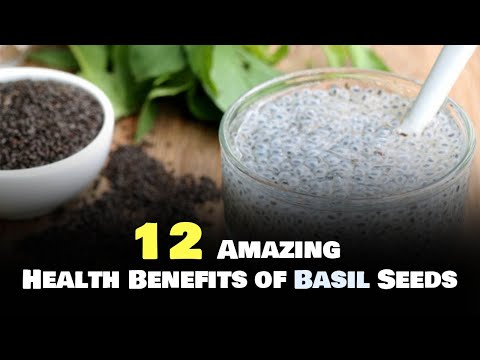
Basil seeds, often overshadowed by their more popular cousins like chia seeds, are tiny nutritional powerhouses with a surprising range of benefits. If you’ve ever seen a drink featuring these small black seeds, you might have noticed how they swell up and develop a gel-like coating when soaked in water. This unique quality is just the tip of the iceberg!
Thinking about incorporating basil seeds into your diet? You’re in for a treat! These little gems can be found in various beverages, desserts, and even savory dishes. They are full of fiber, antioxidants, and essential nutrients that support overall health. From aiding digestion to promoting hydration and beyond—you might find that basil seeds offer more than you ever thought possible!
However, it’s important to remember that while basil seeds have many potential benefits, they should not be viewed as a miracle solution for health issues. Always consult different specialists and use reliable sources to inform yourself about their uses and any risks involved. Knowledge is your best ally when it comes to making safe and healthy choices!
The information provided in this article is intended solely for general informational and educational purposes. It does not constitute medical advice, diagnosis or professional treatment, and should not be considered a substitute for consultation with a qualified doctor or other licensed healthcare professional. Any health-related decisions should be made in consultation with accredited medical professionals.
While efforts have been made to ensure the information is accurate and up to date, no guarantees are given—either express or implied—regarding its accuracy, completeness, currency or suitability. Use of this information is at your own discretion.
It is strongly recommended to consult official sources such as the NHS (National Health Service) or other recognised medical institutions before acting on any information contained on this website or article. Under no circumstances should professional medical advice be ignored or delayed due to content read here.
This content is of a general and informational nature only. It is not intended to replace individualised guidance from a healthcare professional or to establish any doctor-patient relationship. The publication of this information does not imply any professional responsibility, guarantee or obligation on the part of the author or this site.
Unveiling the Benefits and Potential Risks of Daily Basil Seed Consumption
Basil seeds are tiny black seeds from the basil plant. They’ve been used for ages in traditional cooking and medicine. Recently, they have gained popularity for their potential health benefits.
Many people enjoy basil seeds in drinks or desserts because of their gelatinous texture when soaked in water. This can make them fun to eat!
Here are some potential benefits of daily basil seed consumption:
Despite these positive aspects, it’s important to be cautious as well.
Potential risks include:
Moderation is key. It’s wise to start with small amounts and see how your body reacts. Always soak the seeds before consuming them to avoid potential risks.
Lastly, while there are promising benefits associated with basil seeds, they shouldn’t replace a balanced diet or medical treatment if needed. Always consider consulting a healthcare professional if you have concerns about including new foods in your routine.
Basil seeds can be an interesting addition to your diet when enjoyed responsibly!
Unlocking the Perfect Daily Dose for Health and Flavor
Basil seeds, sometimes known as sabja or tukmaria, are small black seeds that come from the basil plant. These seeds have been gaining attention for their potential health benefits and culinary uses. But how can you unlock their perfect daily dose for both health and flavor? Let’s explore!
First, it’s important to know what makes basil seeds unique. They’re rich in fiber, antioxidants, and healthy fats. When soaked in water, they swell up like tiny gel-like bubbles. This process is similar to how chia seeds behave.
So, what can basil seeds do for you? Here are some impressive points:
Now that you know some benefits let’s talk about how much to use. A typical daily dose ranges from one to two tablespoons of soaked basil seeds. It’s important not to overdo it.
To prepare them, soak the seeds in water for about 30 minutes before using them. This step transforms them into a delightful addition with a unique texture.
You can sprinkle these swollen seeds onto smoothies or yogurt for added nutrition and crunch. They work well in desserts like puddings too!
Additionally, incorporating this seed into your meals doesn’t mean sacrificing flavor. Basil has a naturally aromatic taste that pairs beautifully with both sweet and savory dishes.
Bear in mind that while basil seeds are nutritious, they should complement a balanced diet rather than replace other food groups.
Lastly, consult a healthcare provider if you’re unsure how these might fit into your diet or if you have any specific health concerns. Remember that everyone’s body reacts differently!
In summary, by understanding the potential benefits of basil seeds and finding the right way to enjoy them in your daily routine, you unlock a world of flavor and health at your fingertips!
Unlocking the Surprising Health Benefits of Basil Seeds
Basil seeds, often overshadowed by their leafy counterpart, have gained attention for their impressive health benefits. These small black seeds are not just a culinary ingredient; they can play a role in supporting your well-being.
When soaked in water, basil seeds absorb liquid and swell up. This creates a gelatinous texture similar to chia seeds. This property makes them quite filling, which can be helpful if you’re trying to manage your weight.
Here are some surprising benefits of basil seeds:
The potential anti-inflammatory properties of basil seeds might benefit overall health as well. Inflammation is linked to many chronic conditions, so managing it is important.
You may enjoy basil seeds in various ways. They can be added to smoothies or yogurt or used as a topping on salads.
However, it’s important to remember that while basil seeds have many potential benefits, they should not replace a balanced diet or healthy lifestyle choices.
Always consult with a healthcare provider before making significant changes to your diet or using new supplements.
In conclusion, incorporating basil seeds into your meals could add value beyond flavor. They offer an array of nutrients and potential benefits that make them worth considering for anyone looking to enhance their diet thoughtfully.
Basil seeds, often overshadowed by their more popular counterpart—chia seeds—deserve a spotlight for their surprising benefits and versatility. These tiny black seeds swell in water, creating a gelatinous texture that can enhance various dishes.
Firstly, basil seeds are a source of fiber, promoting digestive health. When consumed, they expand in the stomach, providing a feeling of fullness which may help with weight management. This natural appetite suppressant can be beneficial for those looking to control their food intake.
Next, these seeds are rich in antioxidants. Antioxidants play a crucial role in combating oxidative stress in the body. Incorporating basil seeds into your diet can support overall health by potentially reducing inflammation and protecting against chronic diseases.
Moreover, basil seeds have been traditionally used to soothe various ailments. They may help cool the body during hot weather and alleviate symptoms like indigestion or acidity.
Another advantage is their potential to improve hydration. When soaked in water, they absorb significant amounts of liquid and can be consumed as a refreshing drink or added to smoothies for extra hydration.
Additionally, basil seeds contain essential fatty acids that support heart health by promoting healthy cholesterol levels. They also provide small amounts of vitamins and minerals important for overall well-being.
In summary, exploring the uses of basil seeds enriches not just our diets but our health as well. Incorporating them into meals encourages creativity while also providing numerous benefits like improved digestion and antioxidant support. As with any food trend, it’s wise to consume them as part of a balanced diet rather than relying on them as a singular solution for health problems.