Pelvic pain is a topic often shrouded in mystery and discomfort. For many women, this type of pain can be an everyday concern, yet its causes may surprise you. You might think of menstrual cramps or perhaps pregnancy-related issues first, but pelvic pain can stem from a surprisingly wide array of reasons.
Imagine your body as a complex orchestra, where every instrument plays its part in harmony. When one instrument is out of tune—like the muscles, organs, or nerves in the pelvic region—it can create disharmony and lead to pain. The causes are not always straightforward and sometimes even puzzling.
Now, here comes the catch: there are numerous surprising reasons why women experience pelvic pain that often go unnoticed or misdiagnosed. Understanding these diverse causes can shed light on what you’re feeling and guide you toward appropriate treatment options.
However, it’s essential to approach this topic thoughtfully. **Please remember that pelvic pain should never be ignored**. If you or someone you know is experiencing persistent discomfort, it’s vital to consult various healthcare professionals for accurate diagnosis and tailored advice. Don’t hesitate to seek information from different specialists and reputable sources. Awareness is key; understanding your body empowers you to take charge of your health decisions!
The information provided in this article is intended solely for general informational and educational purposes. It does not constitute medical advice, diagnosis or professional treatment, and should not be considered a substitute for consultation with a qualified doctor or other licensed healthcare professional. Any health-related decisions should be made in consultation with accredited medical professionals.
While efforts have been made to ensure the information is accurate and up to date, no guarantees are given—either express or implied—regarding its accuracy, completeness, currency or suitability. Use of this information is at your own discretion.
It is strongly recommended to consult official sources such as the NHS (National Health Service) or other recognised medical institutions before acting on any information contained on this website or article. Under no circumstances should professional medical advice be ignored or delayed due to content read here.
This content is of a general and informational nature only. It is not intended to replace individualised guidance from a healthcare professional or to establish any doctor-patient relationship. The publication of this information does not imply any professional responsibility, guarantee or obligation on the part of the author or this site.
Uncovering the Hidden Triggers Behind Unexpected Discomfort
Pelvic pain can often feel like a puzzle. Many women experience it unexpectedly, and the causes aren’t always obvious. Let’s explore some surprising triggers behind this discomfort.
First, think about stress. It can affect your entire body, including your pelvic region. Stress might lead to muscle tension, which can cause pain. Sometimes, just finding ways to relax can help alleviate these symptoms.
Another common trigger is dietary choices. Foods that are spicy or acidic might irritate your bladder and pelvic area. Consider keeping a food diary to identify any links between what you eat and your discomfort.
Hormonal changes also play a significant role. Many women notice pelvic pain related to their menstrual cycle or hormonal fluctuations due to conditions like polycystic ovary syndrome (PCOS). These changes can lead to various symptoms beyond just cramps.
Don’t overlook infections. Urinary tract infections (UTIs) or sexually transmitted infections (STIs) can cause serious discomfort in the pelvic area. It’s essential to seek medical care if you suspect this could be the case.
Let’s talk about muscle issues. Pelvic floor dysfunction occurs when the muscles aren’t working as they should. This could lead to tightness or spasms resulting in pain. Physical therapy may help in such cases.
Then there’s posture and movement. Poor posture while sitting or standing can strain pelvic muscles over time. Simple adjustments in how you sit at work or carry yourself during daily activities may make a big difference.
Another hidden factor can be emotional health. Conditions like depression or anxiety often manifest physically, including through unexplained pelvic pain. Seeking support for emotional well-being might help address these physical symptoms too.
Don’t forget about medications. Sometimes the side effects of certain medicines might contribute to pelvic pain as well. It’s worth discussing any new medications with a healthcare provider if you’re experiencing discomfort.
Lastly, consider any recent changes in activity levels or exercise routines.
Being aware of these unexpected triggers is crucial for understanding your body better. If you’re experiencing ongoing issues, it’s best to consult with a healthcare professional who can provide personalized guidance. Taking charge of your health includes being proactive about these kinds of discomforts!
Find Relief and Reclaim Comfort in Your Everyday Life
Pelvic pain can be a disruptive experience for many women. While some causes are well-known, there are surprising factors that can contribute too. Understanding these reasons can help you find relief and reclaim comfort in everyday life.
First, stress affects your body in various ways. It can tighten muscles in the pelvic area, leading to discomfort. Finding relaxation techniques like yoga or meditation may help ease tension.
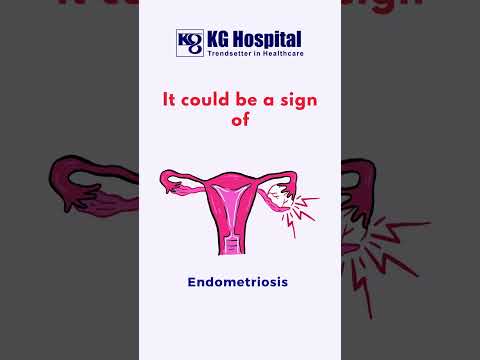
Hormonal changes also play a big role. Conditions like endometriosis or fibroids often lead to pelvic pain, especially during menstrual cycles. Tracking your cycle and symptoms can provide insights into your body’s patterns.
Lifestyle choices matter too. A diet high in processed foods may increase inflammation, which worsens pain. Consider incorporating more whole foods like fruits and vegetables into your meals.
Another surprising cause could be pelvic floor dysfunction. This occurs when the muscles don’t coordinate properly, leading to pain during activities like sitting or exercising. Pelvic floor physical therapy can often provide targeted relief.
Overactive bladder syndrome is also a factor worth mentioning. Frequent urges to urinate mixed with pelvic discomfort can be frustrating. Understanding this condition and its triggers may assist in managing symptoms.
Even chronic conditions such as irritable bowel syndrome could manifest as pelvic pain due to shared nerves and pathways in the body. Creating a balanced diet could alleviate some of these gastrointestinal issues too.
Don’t forget about posture! Poor posture while sitting or standing might contribute to lower back and pelvic pain through muscle strain over time. Mindful adjustments throughout your day may reduce discomfort significantly.
Medications you take for various health conditions may also have side effects that influence pelvic pain levels—such as certain antidepressants or hormonal therapies—causing unexpected discomfort.
Sleep disturbances shouldn’t be overlooked either; lack of quality sleep affects healing processes in the body and heightens sensitivity to pain overall.
Lastly, communicating with healthcare providers about any new or unusual pains is crucial—sometimes what seems minor could indicate deeper underlying issues that require attention.
Recognizing these factors allows you to make informed choices about managing pelvic discomfort effectively. Remember that everyone’s experience is unique; what works for one person won’t necessarily work for another. Being patient and proactive is key!
Unraveling the Hidden Triggers Behind Discomfort and Tension in Your Core
Understanding discomfort and tension in your core can feel a bit like piecing together a puzzle. The core refers to the area around your abdomen and pelvis, and it plays a crucial role in overall health.
Pelvic pain is common among women. Yet, many might not realize just how many factors can contribute to this discomfort. It’s more than just menstrual cramps or pregnancy-related pain.
Here are some surprising triggers that could be behind your pelvic discomfort:
Even common conditions like endometriosis, pelvic inflammatory disease, or even benign cysts can also play a role. These issues often lead to chronic pain and require attention.
Some women experience discomfort due to nerve entrapment. This happens when nerves become pinned down by surrounding tissues, leading to sensations of tightness or sharp pain.
Another factor is dysfunction in the pelvic floor muscles. Much like any other muscle group in the body, these muscles can become weak or overly tight. This imbalance creates problems for overall pelvic health.
It’s also worth mentioning that lifestyle changes are important. Regular physical activity supports muscle strength and flexibility around the core area. This helps alleviate tension over time.
Lastly, don’t overlook emotional well-being. Practices like yoga or mindfulness help reduce stress levels which often translates into less physical tension as well.
If you find yourself struggling with persistent discomfort, consider discussing it with someone knowledgeable in healthcare. Understanding what’s going on inside your body is vital for making informed choices about managing your health effectively.
Remember that every woman’s experience is unique. What works for one person might not work for another, so stay curious about what might help alleviate your symptoms along the way.
Pelvic pain is a complex issue that affects many women, often leading to frustration and confusion. Understanding the various reasons behind this pain is essential for effective management and treatment.
Firstly, it’s important to recognize that pelvic pain can arise from multiple sources. Muscular issues such as tightness or weakness in the pelvic floor can contribute significantly to discomfort. Think of your pelvic muscles like a hammock; if they’re too tense or too weak, they can’t support the body properly.
Chronic conditions like endometriosis and fibroids are also common culprits. These conditions can distort normal anatomy and lead to intense pain during menstruation or sexual activity. Imagine trying to walk on a twisted ankle; it’s similar when internal structures aren’t functioning optimally.
Infections, such as urinary tract infections (UTIs) or sexually transmitted infections (STIs), may lead to acute pelvic pain as well. Just as you’d feel discomfort when your defenses are low due to illness, infection in the pelvis can trigger significant symptoms.
Another surprising factor is emotional health. Stress and anxiety can manifest physically, leading to muscle tension and exacerbated pain perception in the pelvic region. This highlights the mind-body connection: what we feel emotionally can impact us physically.
Furthermore,
Addressing pelvic pain requires a comprehensive approach—recognizing both physical and emotional contributors. It’s vital for women experiencing these issues to seek ongoing evaluation rather than accepting discomfort as normal. Knowledge empowers better health decisions, fostering an environment where women feel supported in discussing their experiences openly. Encouraging discussions around these topics helps reduce stigma and increases awareness about women’s health issues overall.