The information provided in this article is intended solely for general informational and educational purposes. It does not constitute medical advice, diagnosis or professional treatment, and should not be considered a substitute for consultation with a qualified doctor or other licensed healthcare professional. Any health-related decisions should be made in consultation with accredited medical professionals.
While efforts have been made to ensure the information is accurate and up to date, no guarantees are given—either express or implied—regarding its accuracy, completeness, currency or suitability. Use of this information is at your own discretion.
It is strongly recommended to consult official sources such as the NHS (National Health Service) or other recognised medical institutions before acting on any information contained on this website or article. Under no circumstances should professional medical advice be ignored or delayed due to content read here.
This content is of a general and informational nature only. It is not intended to replace individualised guidance from a healthcare professional or to establish any doctor-patient relationship. The publication of this information does not imply any professional responsibility, guarantee or obligation on the part of the author or this site.
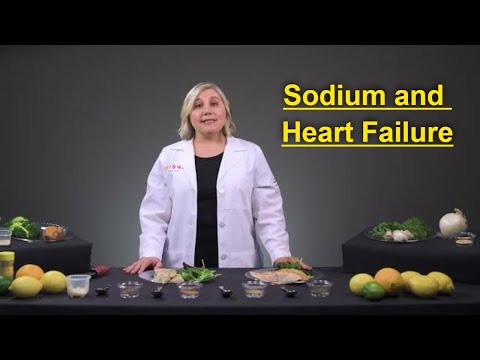
30 High-Sodium Foods to Avoid for Better Heart Health
Have you ever checked the salt content on a food label and thought, “Wow, that’s a lot”? You’re not alone. Many people are surprised to learn just how much sodium sneaks into their diets. Did you know that too much sodium can lead to high blood pressure? That’s like giving your heart an extra workout when it’s already doing its best.
Choosing heart-healthy options is key to avoiding those pesky health issues. Think of it like steering clear of potholes on the road—every little decision counts. This article outlines 30 common high-sodium foods that you might want to think twice about.
By understanding these foods and making some simple changes, you can protect your heart and feel better overall. Remember, reducing sodium isn’t just about adding flavor; it’s about taking care of yourself.
This content does not replace professional medical advice, so always consult a healthcare provider before making any major dietary changes. Your heart deserves the best!
Discover the Surprising Sources of Sodium in Your Diet
Understanding Sodium in Your Diet
Sodium is a mineral that’s crucial for our bodies. It helps regulate blood pressure and maintain fluid balance. But, honestly, most of us get way more sodium than we need. It’s sneaky and shows up in places you might not expect.
Common Sources of Sodium
You probably think of things like table salt when you hear sodium. But it’s in so many other foods. Pickles, for example, are packed with it—just one serving could have as much as 1,200 mg! That’s a lot for just one small serving.
Processed foods are often loaded with sodium. Think about frozen dinners or canned soups; they can have more salt than a bag of chips! Look at the labels next time you’re shopping—it’s eye-opening.
Sneaky High-Sodium Foods
- Bread and rolls: Yup, surprise! These can contain quite a bit of sodium.
- Pizza: The cheese and toppings add up fast.
- Deli meats: Even turkey can be high in sodium due to curing processes.
- Condiments: Ketchup and mustard may seem innocent but check that label; they can be salty!
- Cheese products: Processed cheeses are often surprisingly salty too.
Reading Labels
This is key to managing your sodium intake. The FDA recommends that most adults consume less than 2,300 mg per day—that’s about one teaspoon of salt. But if you have certain health conditions like high blood pressure, you might need to go lower than that.
When looking at food labels, pay attention to the % Daily Value (%DV) for sodium. If it’s 20% or more per serving, consider skipping it or having less!
A Few Healthy Swaps
Avoiding excess sodium doesn’t mean bland food though! You can use herbs and spices instead of salt for flavor. Garlic powder or lemon juice can really perk things up without all the saltiness.
- Try using fresh herbs like basil or cilantro instead of store-bought sauces.
- Opt for low-sodium versions of your favorite snacks or meals when available.
The Bottom Line
Sodium is essential but moderation is key. By being aware of where it hides in your diet and making informed choices at the grocery store, you’re taking positive steps toward better heart health.
Just remember—small changes add up over time!
Steer Clear of These Salty Surprises in Your Produce Aisle
When we think of high-sodium foods, we often picture chips or canned soups. But did you know some fresh produce could also pack a salty punch? While fruits and veggies are healthy choices, there are certain things to watch for.
Canned Vegetables
Many people assume canned vegetables are a healthy choice. Thing is, they can be soaking in saltwater to preserve them. Check the label! Some brands can have over 400 milligrams of sodium per serving. That’s like putting a lot of salt on your food without even realizing it!
Picked Products
Pickles and olives are popular snacks and toppings. They taste great, but they often come with lots of sodium due to the brining process (that’s just soaking them in salty water). Just a few olives can add up quickly—like 200 mg or more! So if you’re munching on those, remember this can add up towards your daily intake.
Vegetable Juices
You might grab vegetable juice thinking it’s super healthy—a great way to get some extra servings of veggies. However, many juices contain added salt for taste. Look for low-sodium options if you enjoy that veggie sip! Otherwise, it’s easy to drink a whole day’s worth of sodium in one quart.
Processed Fruit Products
Dried fruits may seem like a nutritious choice since they’re packed with vitamins and minerals. But sometimes they come coated with added sugars and…yes, salt! Always spy on ingredient lists; if you see salt listed, you might want to rethink that trail mix.
Frozen Veggies with Sauce
Frozen vegetables are typically pretty good for you—unless they’re smothered in sauce that’s loaded with sodium. Many frozen meals whip up sauces that overpower the natural flavor of veggies while adding tons of salt. Opt for plain frozen veggies instead; then you can control how much seasoning goes on!
- Canned vegetables often hide excessive sodium levels.
- Pickles and olives are brined in salty solutions.
- Dried fruits may have surprising amounts of added salt.
- Read labels on vegetable juices carefully!
- Avoid processed veggie sauces high in sodium.
The bottom line? When cruising through the produce aisle—or any aisle really—keeping an eye out for hidden sodium is crucial for heart health. It’s all about making informed choices without sacrificing flavor or nutrients!
Discover Nature’s Hidden Sources of Sodium
Understanding Sodium in Our Diet
Sodium is an essential mineral. It helps control blood pressure, balance fluids, and support nerve function. But too much sodium can lead to health issues, especially heart disease. Sometimes we don’t even realize how much sodium we consume on a daily basis.
Where Is Sodium Found?
You might think of salt when talking about sodium, but it’s not just in table salt. Many foods contain hidden sources of sodium. Processed foods are often the biggest culprits.
The Role of Processed Foods
- Think about canned soups—they can have a ton of added salt for flavor.
- Snack foods like chips and pretzels often get their taste from sodium.
- Even bread can be a surprising source; some varieties have more sodium than you’d expect!
Natural Sources of Sodium
You know, while most high-sodium foods are processed, there are also natural sources. For instance, sea vegetables like kelp or nori naturally contain sodium. However, the levels are usually much lower compared to processed options.
Foods to Watch Out For
- Deli meats can be loaded with sodium due to curing processes.
- Pizza is a big offender; between the crust and toppings, it can rack up quite the sodium count.
- Certain cheeses carry more salt than others—like feta or blue cheese.
The Impact on Heart Health
If you’re concerned about your heart health, being mindful of your sodium intake is key. High levels of consuming it regularly can lead to hypertension—basically high blood pressure—which stresses your arteries over time.
A Simple Approach
A simple way to reduce your intake is by cooking at home more often. When you prepare meals from scratch, you control what goes in them! Plus, herbs and spices can add flavor without the extra salt.
Your Body’s Needs
Your body needs some sodium for proper functioning: around 500 mg daily is sufficient for normal bodily functions according to dietary guidelines. Just remember that most people consume far above this amount without realizing it!
Final Thoughts
The thing is moderation matters. Being aware of both natural and hidden sources of sodium will help you make informed choices for better overall health without feeling deprived! Paying attention here could really make a difference if you’re watching your heart health or dealing with other conditions affected by sodium intake.
When we talk about heart health, sodium often comes up as a key player. Excess sodium can lead to high blood pressure, which is a major risk factor for heart disease. So, understanding which foods are high in sodium is crucial.
Processed foods typically have more salt than whole foods. Think about it: a can of soup or packaged snack often contains more sodium than fresh veggies or fruits. It’s not just about cutting out salt from your diet; it’s also about being mindful of where sodium sneaks into your meals.
Common culprits include deli meats, canned goods, and even bread. Surprised? Many people don’t realize that everyday items like sauces and dressings can pack a lot of salt too. When shopping, reading labels becomes essential.
Avoiding these high-sodium foods can help maintain healthy blood pressure levels and overall better heart function over time. It’s about making conscious choices rather than strict bans on all tasty treats.
Instead of shunning flavor completely, consider using herbs and spices for seasoning. They add taste without the extra sodium! Balancing enjoyment with health is totally doable with some planning.
Ultimately, awareness is key when it comes to managing sodium intake for heart health. Know what you’re eating and make informed decisions—your heart will thank you!