The information provided in this article is intended solely for general informational and educational purposes. It does not constitute medical advice, diagnosis or professional treatment, and should not be considered a substitute for consultation with a qualified doctor or other licensed healthcare professional. Any health-related decisions should be made in consultation with accredited medical professionals.
While efforts have been made to ensure the information is accurate and up to date, no guarantees are given—either express or implied—regarding its accuracy, completeness, currency or suitability. Use of this information is at your own discretion.
It is strongly recommended to consult official sources such as the NHS (National Health Service) or other recognised medical institutions before acting on any information contained on this website or article. Under no circumstances should professional medical advice be ignored or delayed due to content read here.
This content is of a general and informational nature only. It is not intended to replace individualised guidance from a healthcare professional or to establish any doctor-patient relationship. The publication of this information does not imply any professional responsibility, guarantee or obligation on the part of the author or this site.
Have you ever wondered if plant-based diets can really meet your protein needs? A surprising number of people think that vegans miss out on crucial nutrients—especially protein. But the reality is, there are plenty of delicious and nutritious options out there.
You know, it’s all about finding the right foods. Protein plays a big role in our bodies. It helps to build muscles, repair tissues, and even supports our immune system. For those living a vegan lifestyle, it’s important to know where to find quality sources of protein.
In this article, we’ll explore five fantastic vegan foods that are packed with protein and can boost your overall health and wellness. These choices are not just for vegans; they’re great for anyone looking to enhance their diet.
Remember, though, while this information is helpful, it can’t replace professional medical advice. You should always consult with a healthcare professional before making any major changes to your diet or health plan. Let’s dive in!
Discover the Ultimate Plant-Based Powerhouse for Your Diet
Plant-Based Powerhouses for Your Diet
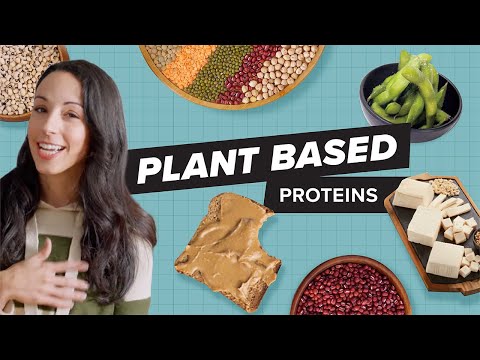
When you think about protein, you might picture steak or chicken. But hey, there are some amazing vegan options that pack a serious protein punch! Let’s dive into five of these foods that can help boost your health and wellness.
1. Lentils
Lentils are tiny powerhouses of nutrition. Just one cup cooked has around 18 grams of protein. They’re versatile too, working well in soups, stews, and salads. Plus, they offer fiber which keeps your digestion in check.
2. Chickpeas
Also called garbanzo beans, chickpeas have about 15 grams of protein per cooked cup. You can toss them into salads or blend them up to make hummus! They’re a great way to add creaminess and nutrients to your meals.
3. Quinoa
This grain is unique because it’s a complete protein, meaning it contains all nine essential amino acids that your body needs but can’t produce on its own. One cup cooked quinoa holds around 8 grams of protein and is really filling too!
4. Tofu
If you haven’t tried tofu yet, it’s definitely worth a shot! It can absorb flavors from other foods really well and has about 20 grams of protein per cup when cooked. Think stir-fries or even smoothies—it’s super versatile!
5. Hemp Seeds
These little seeds might be small, but they’re mighty! Just three tablespoons provide around 10 grams of protein along with healthy fats. Sprinkling them on salads or mixing them in smoothies can give your diet a delightful boost.
The Balance Matters
Including these proteins in your diet isn’t just about getting enough muscles! It’s also key for overall health—supporting skin, hair and even helping keep your energy up throughout the day.
A Note on Nutritional Variety
While focusing on plant-based proteins is fantastic, remember that variety is important too! Mixing different sources helps ensure you’re getting all the nutrients you need while keeping meals interesting.
The Bottom Line
Add some lentils to that salad or try making chickpea stew this week! With so many delicious options out there, there’s no need to feel limited in a plant-based diet.
Discover Nutritious Plant-Based Options to Fuel Your Day
Understanding Plant-Based Proteins
When you think about protein, images of meat might come to mind. But hey, plant-based options are just as powerful! They can fuel your body and provide essential nutrients. Think of protein as the building block for your muscles, skin, and even hormones.
So what’s the deal with these vegan protein sources? They’re not just about muscle; they also offer a wealth of vitamins and minerals. Plus, many come with added fiber—great for digestion!
1. Lentils: The Nutrient Powerhouse
Lentils are like tiny legumes bursting with energy. They pack around 18 grams of protein per cooked cup! They’re versatile too; toss them in soups or salads.
Lentils also bring fiber to the table, which can help keep you full and promote a healthy gut. Honestly, they’re one of the easiest ways to boost your protein intake without any meat involved.
2. Chickpeas: A Tasty Snack or Meal Star
Chickpeas are another fantastic option. You might know them best as the base for hummus or sprinkled on salads. One cup of cooked chickpeas has about 14 grams of protein.
The thing is, they’re not just tasty but also a good source of iron and folate, both important for overall health. Plus, you can munch on roasted chickpeas for a crunchy snack!
3. Quinoa: The Ancient Grain
Quinoa is unique because it’s one of the few plant foods considered a complete protein—it contains all nine essential amino acids! That’s pretty cool! One cup gives around 8 grams of protein.
This grain is super flexible; use it in bowls, salads, or even breakfast porridge. And yes, it’s gluten-free too if that’s important to you!
4. Tofu: The Soy Sensation
If you haven’t tried tofu yet, give it a go! It’s made from soy milk and offers around 20 grams of protein per cup when cooked. What’s neat is that it absorbs flavors really well—perfect for curries or stir-fries.
Some folks say tofu has a strange texture at first—but don’t worry! There are different types (like firm or silken), so there’s likely one you’ll enjoy.
5. Edamame: A Fun Snack Idea
If you’re looking for something fun to snack on during movie night—go for edamame! These young soybeans pack about 17 grams per cooked cup.
You can find them frozen in most stores; simply steam and season them lightly with salt—yum! They’re not only delicious but also rich in antioxidants that help combat free radicals in your body.
A Balanced Approach
Diversifying your diet with these plant-based options allows you to get not just proteins but other essential nutrients too—think vitamins like B12 which mostly comes from animal products; consider fortified options if you’re fully plant-based!
Add these foods gradually into your routine—for example mix lentils into spaghetti sauce or have some edamame as an appetizer before dinner.
Your Takeaway
- Lentils are filling and versatile.
- Chickpeas add taste and nutrition to meals.
- Quinoa provides complete proteins at breakfast or lunch.
- Tofu mixes well into many dishes—give it chance!
- Edamame makes snacking fun while packing punches nutritionally!
The bottom line? Embracing plant-based proteins doesn’t have to be complicated or limiting—it’s all about finding what works best for you and having some fun along the way!
Discover the Top Plant-Based Proteins to Fuel Your Lifestyle
Understanding Plant-Based Proteins
So, you’re curious about plant-based proteins, huh? It’s great to see more people interested in vegan foods. Many folks think protein only comes from meat or dairy, but that’s just not the case. Let’s explore some top sources of plant-based proteins and how they can fit into a healthy diet.
1. Legumes: The Hidden Gems
Legumes are superstars when it comes to protein. They include beans, lentils, and chickpeas. These little guys are packed with fiber too, which helps keep your digestion in check.
- Black beans: Perfect for chili or tacos.
- Lentils: Fantastic in soups or salads.
- Chickpeas: Blend them into hummus or roast them for snacking!
2. Quinoa: The Complete Protein
If you haven’t tried quinoa yet, it’s time! Unlike most plant proteins, quinoa offers all nine essential amino acids—yeah, that’s pretty rare for a plant source. Think of it like a big hug for your body!
You can use quinoa as a base for salads or as a side dish instead of rice. It’s super versatile.
3. Tofu and Tempeh: Soy Wonders
I mean, tofu often gets a bad rap but honestly? It’s amazing! Made from soybeans, it soaks up flavors really well and can be added to stir-fries or grilled.
- Tofu:. Silken tofu is great in smoothies; firm tofu works well in savory dishes.
- Tempeh:. It’s fermented and has a nutty flavor—great for sandwiches!
4. Nuts and Seeds: Tiny Powerhouses
Nuts and seeds are small but mighty! They provide healthy fats alongside protein. Almonds, walnuts, chia seeds—you can munch on them raw or add them to oatmeal.
5. Whole Grains: More Than Just Carbs
This might surprise you: whole grains like brown rice and barley also pack a punch when it comes to protein. Plus they bring along lots of nutrients like B vitamins and fiber.
A bowl of whole grain cereal with some almond milk? That’s not just breakfast; it’s a protein boost!
The Bigger Picture
The thing is—incorporating these foods into your everyday meals can help you meet your protein needs without counting every single gram meticulously! But remember that balance is key; variety helps ensure you’re getting all the nutrients you need.
If you’re considering switching more towards plant-based options, go at your own pace. Every little step counts! Just be mindful about getting enough variety—you want to ensure you’re not just eating one type of food day after day.
A Few Final Thoughts
Sourcing proteins from plants can be both tasty and satisfying—and it’s good for the planet too! So why not experiment with some new recipes? Who knows what delicious meals await you!
Reflection on Protein-Rich Vegan Foods
Nutrition is a cornerstone of health, and understanding protein sources is essential, especially for those following a vegan diet. Plant-based proteins can offer not only essential building blocks for our bodies but also a variety of other nutrients.
When we think about protein-rich vegan foods, it’s fascinating to see how diverse these options are. Foods like lentils, chickpeas, quinoa, tofu, and edamame are not just high in protein; they also come packed with fiber, vitamins, and minerals. This combination supports overall wellness remarkably.
You know? Many people still believe that it’s challenging to get enough protein without animal products. However, these plant-based sources demonstrate that a little creativity in the kitchen can go a long way. For instance, incorporating legumes into soups or salads is an enjoyable way to boost protein intake.
The amino acids in proteins are critical for muscle repair and growth too. While some plant proteins may lack certain amino acids compared to animal proteins (these are the building blocks of proteins), eating a varied diet typically allows vegans to meet their needs quite effectively.
Additionally, we shouldn’t overlook the environmental impact of our food choices. Plant-based proteins tend to have a lower carbon footprint than their animal counterparts—contributing positively to both personal health and the planet.
Ultimately, embracing plant-based protein is more than just about nutrition; it’s about making informed decisions that resonate with our lifestyles and values. As the conversation around vegetarianism continues to grow globally (and maybe even in your circle!), exploring these nutritious options can empower individuals toward optimal health.