The information provided in this article is intended solely for general informational and educational purposes. It does not constitute medical advice, diagnosis or professional treatment, and should not be considered a substitute for consultation with a qualified doctor or other licensed healthcare professional. Any health-related decisions should be made in consultation with accredited medical professionals.
While efforts have been made to ensure the information is accurate and up to date, no guarantees are given—either express or implied—regarding its accuracy, completeness, currency or suitability. Use of this information is at your own discretion.
It is strongly recommended to consult official sources such as the NHS (National Health Service) or other recognised medical institutions before acting on any information contained on this website or article. Under no circumstances should professional medical advice be ignored or delayed due to content read here.
This content is of a general and informational nature only. It is not intended to replace individualised guidance from a healthcare professional or to establish any doctor-patient relationship. The publication of this information does not imply any professional responsibility, guarantee or obligation on the part of the author or this site.
Have you ever caught your dog eyeing your dinner plate with those big, pleading eyes? It’s hard to resist those looks, right? But here’s the thing: some of our favorite human foods can actually be dangerous for our furry friends. You might think sharing a treat is harmless, but some common items in your kitchen could lead to serious health issues for dogs.
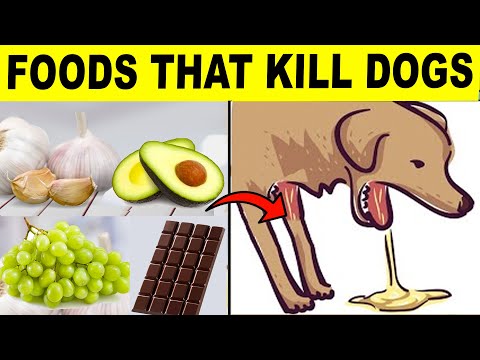
This article highlights seven everyday foods that can be fatal for dogs. From chocolate to grapes, it’s shocking how many seemingly innocent snacks can pose threats. Knowing what these foods are can help you keep your pup safe and healthy.
Many dog owners aren’t aware of these risks until it’s too late. That’s why understanding the potential dangers is crucial for every pet parent out there. The last thing you want is to worry about a trip to the vet when all you wanted was to share a snack.
Remember, though, this content doesn’t replace medical advice. Health decisions should never rely solely on articles like this. Always consult your veterinarian if you’re unsure about what foods are safe for your dog.
Essential foods to keep away from your furry friend for their safety
Common Human Foods That Can Harm Your Dog
It’s not uncommon for pet owners to want to share their food with their furry friends. However, some human foods can be pretty dangerous for dogs. Knowing which foods to avoid can literally save your pooch from serious harm.
Chocolate
This one’s a classic. Chocolate contains substances like theobromine and caffeine. Dogs metabolize these much more slowly than we do, making chocolate potentially toxic. Even small amounts can cause vomiting and diarrhea, while larger amounts can lead to heart issues or seizures.
Grapes and Raisins
Believe it or not, grapes and raisins can be extremely harmful—even in tiny quantities. Some dogs may develop kidney failure after consuming them. The exact reason is unknown; however, the best practice is to keep them far away from your pup.
Onions and Garlic
These flavorful additions may enhance our meals but they can damage a dog’s red blood cells. This leads to anemia, which is a lack of healthy red blood cells in the body. Symptoms like weakness or lethargy could appear days after consumption.
It’s worth noting that even powdered forms of onion or garlic are dangerous.
Xylitol
Xylitol is a sweetener found in many products like sugar-free gum and some baked goods. It’s great for us but incredibly toxic for dogs, causing insulin release that leads to rapid drops in blood sugar levels. Symptoms might include shaking, vomiting, and even seizures.
Avocado
The fleshy part of avocado isn’t the problem; it’s actually the pit and skin that pose danger due to a substance called persin. While it may not directly harm all dogs in small amounts, it’s safer just not to take any chances.
Macadamia Nuts
You might think these nuts are just fancy snacks but they are harmful too! Macadamia nuts can cause weakness, depression, vomiting, tremors, and hyperthermia in dogs—even tiny amounts have shown effects.
Caffeine
Caffeine isn’t just found in coffee; it pops up in energy drinks and tea as well—things we sometimes reach for daily! Just like chocolate, caffeine negatively affects your dog’s heart rate and nervous system.
- The dose depends on various factors including size/weight of your dog.
- If you suspect your dog has eaten any of these foods seek help right away!
- Your vet will provide guidance tailored specifically for your dog’s needs!
- Your dog deserves all the love you give; knowing what’s safe helps keep them happy!
If you’re ever unsure about what’s okay for your furry friend to eat or if they accidentally ingested something harmful—don’t wait on it! Consulting with a veterinarian is key as they know best how to help different breeds with unique dietary needs.
Essential everyday dangers lurking in your home that could harm your furry friend
Essential Everyday Dangers for Your Furry Friend
Hey there! If you’ve got a dog, you probably think a lot about their safety. It’s only natural. Our homes can be cozy for us but sometimes harbor hidden dangers for our pets. Let’s go through some common hazards you might want to watch out for.
Human Foods to Avoid
Certain human foods can be toxic to dogs. For instance, grapes and raisins are no-goes. Just a small amount can lead to kidney failure. Can you believe that? It’s always better to stick with dog treats made just for them.
- Chocolate: It contains theobromine, which can be very poisonous.
- Onions and Garlic: These can damage red blood cells and cause anemia over time.
- Xylitol: A sweetener found in sugar-free products, it can cause insulin release and lead to liver failure.
Chemicals Around the House
Your cleaning supplies might keep your home spick-and-span, but they can be dangerous for dogs. Many common cleaners contain harmful chemicals that could lead to serious health issues if ingested or even inhaled!
If you have products like bleach or ammonia, try to keep them stored away and out of reach of your curious pup.
Toxic Plants
Look around—are there any plants in your home? Some of them could be harmful if nibbled on by your dog. For example, lilies are pretty but highly toxic. A few leaves could really mess up a dog’s system.
- Aloe Vera: While great for humans, it’s toxic for pets.
- Poinsettias: They’re festive but can upset your dog’s stomach if chewed on.
Cords and Small Objects
This one might seem obvious, but it’s easy to forget: cords from chargers or blinds may look like chew toys! This is risky because chewing on cords can lead not just to choking but also electric shocks—really scary stuff!
Avoid leaving small items like coins or buttons lying around too; they pose choking hazards as well.
Sooner Than Later
Taking precautions now will save you trouble down the line. Make sure trash bins are secure; toss out any hazardous foods or materials regularly. You know how dogs love scavenging! Keeping things clean and safe is crucial.
A Final Note
Your furry friend relies on you for protection from these everyday dangers at home. By staying informed about what could harm them—and removing those threats—you’re helping keep their world safe and happy!
The thing is: being proactive pays off in peace of mind for both you and your pet!
Essential foods to avoid for your furry friend’s safety
Essential Foods to Avoid for Your Furry Friend’s Safety
When it comes to our pets, especially dogs, we often want to share our food with them. But hey, not all human food is good for them! Some common items can be actually dangerous or even fatal. Let’s look at some of these foods to keep your furry friend safe.
Chocolate
This is probably one of the most known dangers. Chocolate contains theobromine, which dogs can’t metabolize well. Even small amounts can lead to serious issues like vomiting, diarrhea, or worse. Think of chocolate as a big no-no for pups.
Onions and Garlic
These two might add flavor to our meals, but they can be toxic for dogs. They contain compounds that damage red blood cells in pets. This could lead to anemia over time. Just a little bit—like seasoning—could be harmful.
Grapes and Raisins
You might think raisins are just a sweet treat, but they can cause kidney failure in dogs. The exact reason isn’t clear yet, but it’s best not to take any risks with grapes or raisins around your dog.
Xylitol
This artificial sweetener is found in many sugar-free products like gum and candy. If a dog ingests xylitol, it can cause insulin spikes leading to hypoglycemia (low blood sugar). Symptoms may include weakness or seizures; that sounds scary!
Avocado
This fruit has a substance called persin that can be harmful in large amounts—not much is needed actually! While humans enjoy avocados fine, they aren’t great for our canine friends.
Nuts
Certain nuts like macadamia nuts are particularly harmful for dogs and could result in weakness and tremors among other symptoms. Other nuts might not be as dangerous but could still cause digestive upset.
Caffeinated Products
You know that rush from coffee? Well, caffeine affects dogs more intensely than us! It can lead to restlessness, rapid breathing and heart palpitations even just a small amount could trigger this reaction!
Wrapping Up Food Safety for Dogs
The tricky part about feeding your dog human food is knowing what’s safe and what’s not. It’s super important to keep these dangerous foods locked away where your furry friend can’t get them.
Always think twice before sharing your plate with them—what’s good for you isn’t necessarily good for your pup!
The bond between humans and dogs is special. We often find ourselves wanting to share our favorite meals with them. However, it’s crucial to recognize that not all human food is safe for our furry friends.
Some common foods can actually be harmful or even fatal for dogs. For instance, chocolate is well-known for its toxic effects due to substances called theobromine and caffeine, which dogs cannot properly process. A small amount might lead to symptoms like vomiting or increased heart rate.
Another dangerous food is grapes and raisins, which can cause sudden kidney failure in dogs, even in tiny amounts. It’s shocking to think a healthy snack for us could lead to such severe consequences.
Onions and garlic are also no good. They contain compounds that can damage a dog’s red blood cells, potentially leading to anemia over time. This means they can’t carry oxygen efficiently throughout their body.
Xylitol is an artificial sweetener found in many sugar-free products. Just a small bite can trigger insulin release in dogs, causing a drastic drop in blood sugar levels, leading to symptoms like disorientation or seizures.
Certain nuts, particularly macadamia nuts, can also be toxic for dogs. They may cause weakness, tremors, or even hyperthermia (an extreme increase in body temperature).
Then you have alcohol—it’s not just silly; it’s serious business! Even small amounts can result in severe health issues or death.
Lastly, fatty foods can pose risks too—think bacon grease or fried items—which can lead to pancreatitis—a painful inflammation of the pancreas that requires immediate medical attention.
It’s easy to overlook these dangers when all you want is to see your dog happy and satisfied at mealtime. Being aware of what’s safe and unsafe really helps protect our companions from harm. Always good practice? Double-check before sharing your plate!