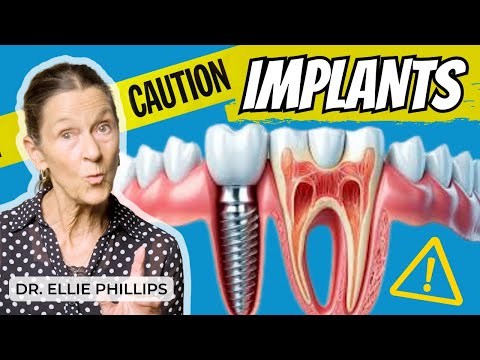
Imagine waking up one morning and feeling confident about your smile again. That’s the promise of dental implants—a modern solution for missing teeth. They offer a way to restore not just your appearance but also your ability to eat, speak, and laugh freely.
Dental implants are small titanium posts that act as roots for artificial teeth. They fuse with your jawbone in a process called osseointegration, providing a sturdy base for crowns or dentures. This innovative procedure has transformed the landscape of restorative dentistry, making it possible for millions to reclaim their oral health.
However, like any medical procedure, dental implants have their benefits—and risks. Understanding them is essential before making decisions about your health.
While the advantages can be enticing—such as durable results and improved quality of life—it’s crucial to recognize potential complications like infections or implant failure. Each person’s situation is unique, so a thorough evaluation by qualified professionals is vital.
Warning: Before considering dental implants, it’s important to do your homework. Consult various specialists and gather information from trusted media sources. Having a comprehensive understanding will empower you to make informed choices about your oral health journey. Knowledge is key when navigating the complexities of dental care!
The information provided in this article is intended solely for general informational and educational purposes. It does not constitute medical advice, diagnosis or professional treatment, and should not be considered a substitute for consultation with a qualified doctor or other licensed healthcare professional. Any health-related decisions should be made in consultation with accredited medical professionals.
While efforts have been made to ensure the information is accurate and up to date, no guarantees are given—either express or implied—regarding its accuracy, completeness, currency or suitability. Use of this information is at your own discretion.
It is strongly recommended to consult official sources such as the NHS (National Health Service) or other recognised medical institutions before acting on any information contained on this website or article. Under no circumstances should professional medical advice be ignored or delayed due to content read here.
This content is of a general and informational nature only. It is not intended to replace individualised guidance from a healthcare professional or to establish any doctor-patient relationship. The publication of this information does not imply any professional responsibility, guarantee or obligation on the part of the author or this site.
Unveiling the Truth Behind Dental Implants: Benefits and Risks Explored
Dental implants are becoming a popular option for replacing missing teeth. They offer a permanent solution that can improve both function and appearance.
A dental implant is like an artificial tooth root, placed into the jawbone. This titanium post acts as a foundation for a crown, which looks and functions like a natural tooth.
Benefits of dental implants include:
However, getting dental implants involves surgery. The process generally requires several steps. First, the dentist assesses your jawbone to ensure it’s strong enough to hold the implant. If necessary, bone grafting may be done to build up the jaw.
Afterwards, the implant is surgically placed in the jawbone. A healing period follows where the bone fuses with the implant—a process known as osseointegration. Once healed, an abutment is attached to connect the crown.
Despite their advantages, there are risks involved. These can include:
It’s important to have realistic expectations about outcomes. Not everyone is a candidate for implants; conditions like diabetes or smoking can affect healing and success rates.
Every person’s situation is unique. A thorough consultation with your dentist will help determine if dental implants are suitable for you.
Maintaining good oral hygiene after implant surgery is crucial for longevity. Regular check-ups and proper care help reduce risks further.
In conclusion, dental implants offer many benefits but also come with certain risks and considerations. Understanding these factors allows you to make informed decisions about your oral health options without rushing into anything abrupt or uneducated.
Discover How Dental Implants Can Transform Your Smile and Boost Your Confidence
Dental implants are a remarkable solution for people with missing teeth. These implants are designed to look and function like natural teeth. If you’ve ever felt self-conscious about your smile, dental implants might bring a new sense of confidence.
A dental implant is basically a small titanium post that is placed into the jawbone. This post acts as a root for a replacement tooth. Over time, the jawbone fuses with the implant, providing it with stability. It’s similar to planting a seed in soil; as it grows, it becomes firmly rooted.
Benefits of dental implants include:
Many people find that their quality of life improves after getting implants. They can enjoy their favorite foods without worrying about dentures slipping or feeling uncomfortable.
Now let’s talk about the surgery details. The process typically involves several steps:
1. Initial consultation: Your provider will assess your mouth’s structure and discuss your needs.
2. Surgery: The titanium post is inserted into the jawbone under local anesthesia.
3. Healing period: This can take several months as the bone integrates with the implant.
4. Abutment placement: A small connector piece is added once healing is complete.
5. Crown fitting: Finally, a custom-made crown (the visible part) is attached.
This process sounds detailed because it requires careful planning and execution.
However, it’s essential to be aware of potential risks, though many are manageable:
These risks highlight why it’s vital to choose an experienced provider who can guide you through every stage.
While thinking about dental implants, consider whether they’re right for you by discussing your health history and goals with your healthcare provider. They can help clarify if you’re a suitable candidate based on bone density and overall oral health.
In summary, dental implants not only have the potential to transform your smile but also enhance your daily life by boosting self-esteem and enabling better function. As you weigh this option, stay informed and explore all avenues so you can make decisions that feel right for you!
Exploring the Benefits and Risks for Your Smile and Well-being
Dental implants are a popular choice for many people looking to replace missing teeth. They can improve your smile and overall well-being. However, like any medical procedure, they come with both benefits and risks.
Benefits of Dental Implants
Dental implants can provide several advantages:
Surgery Details
The process of getting dental implants usually involves multiple steps:
Risks Involved
While dental implants have many benefits, there are also risks involved:
It’s vital to think critically about whether dental implants are right for you. Consider discussing it with a trusted healthcare provider who understands your personal health history.
Exploring both the benefits and drawbacks helps make informed decisions about your oral health. Whether it’s improving your smile or other aspects of well-being, knowledge empowers you in finding what fits best for you.
Dental implants have transformed the field of dentistry, offering a reliable solution for those missing teeth. Understanding their benefits, the surgical process, and potential risks is crucial for making informed decisions.
Benefits of dental implants include improved appearance, enhanced speech, and better chewing ability. They blend seamlessly with natural teeth, providing a stable foundation that allows individuals to eat and speak confidently. Additionally, they help maintain jawbone integrity by preventing bone loss that often occurs after tooth loss.
The surgical process for dental implants typically involves several steps. First, a titanium post is surgically inserted into the jawbone to serve as an artificial root. After a healing period where the bone fuses to the implant—known as osseointegration—an abutment is placed on top of the post to support a crown or prosthetic tooth. This procedure can take several months but offers long-lasting results.
However, risks do exist. These may include infection at the implant site, nerve damage leading to discomfort or tingling, and sinus issues if upper jaw implants are placed incorrectly. It’s also essential to consider individual factors like health conditions and smoking habits that could affect healing and success rates.
Being well-informed about dental implants empowers individuals to make educated choices about their oral health options. Always consult with a qualified professional who can guide you through considerations specific to your situation.