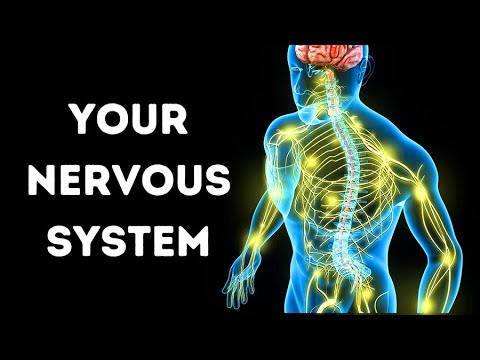
Imagine a vast and intricate highway system, where signals travel at lightning speed to control everything from your heartbeat to your thoughts. This is the essence of your nervous system—a complex network that connects the brain, spinal cord, and every little nerve in your body.
In “A Visual Journey Through Your Nervous System,” we’ll explore how this amazing system functions, what happens when things go wrong, and how understanding it can empower you to make informed health choices. As we navigate through the fascinating landscapes of neurons and synapses, you may find yourself amazed at how these biological highways shape your everyday experiences.
However, it’s crucial to remember that the information shared in any visual journey does not replace professional medical advice. Always consult qualified specialists when seeking guidance on health issues. Different people may have unique challenges or variations in their nervous systems. Take time to explore various media and insights from credible sources so that you can build a well-rounded understanding of this vital aspect of human health.
The information provided in this article is intended solely for general informational and educational purposes. It does not constitute medical advice, diagnosis or professional treatment, and should not be considered a substitute for consultation with a qualified doctor or other licensed healthcare professional. Any health-related decisions should be made in consultation with accredited medical professionals.
While efforts have been made to ensure the information is accurate and up to date, no guarantees are given—either express or implied—regarding its accuracy, completeness, currency or suitability. Use of this information is at your own discretion.
It is strongly recommended to consult official sources such as the NHS (National Health Service) or other recognised medical institutions before acting on any information contained on this website or article. Under no circumstances should professional medical advice be ignored or delayed due to content read here.
This content is of a general and informational nature only. It is not intended to replace individualised guidance from a healthcare professional or to establish any doctor-patient relationship. The publication of this information does not imply any professional responsibility, guarantee or obligation on the part of the author or this site.
A Deep Dive into How Our Senses Connect and Communicate
Our senses are our gateway to the world. They help us understand our environment. Each sense—sight, hearing, touch, taste, and smell—plays a unique role in how we connect with what’s around us.
The nervous system is like a complex network of wires. It carries signals from our senses to the brain and back again. Imagine it as a busy highway where cars (signals) travel between various exits (our sensory organs).
When you touch something hot, your skin detects temperature changes. Receptors in your skin send messages through nerves to your spinal cord and brain. This happens quickly! You pull away before you even think about it.
Sight works similarly but involves light instead of heat. Light hits the retina in your eye and creates electrical signals sent to the brain through the optic nerve. This is how we see images and colors.
Hearing uses sound waves instead of light or heat. Sound waves vibrate through air and reach our ears. Tiny hair cells in the inner ear convert these vibrations into electrical signals for the brain.
Taste combines different senses too! Our taste buds detect flavors—sweet, salty, bitter, sour, and umami (savory). But did you know smell greatly influences taste? When you eat something, molecules are released that travel to olfactory receptors in your nose.
Smell is also unique because it has direct pathways to emotional centers in our brain. That’s why certain smells can trigger memories or feelings almost instantly.
These senses don’t work alone; they constantly interact with one another. For example, imagine eating an apple while listening to music: you experience its crunchiness (touch), sweetness (taste), pleasant aroma (smell), all while enjoying sounds that affect your mood.
Understanding how our senses connect helps us appreciate life more fully. Sometimes people may have sensory processing challenges that affect how they engage with their surroundings.
Incorporating different sensory experiences can improve well-being too! Activities like cooking or gardening engage multiple senses at once.
By taking time to notice how we perceive things daily, we can make better choices about health and wellness. Embrace each sense—it enhances life’s richness!
Unveiling the Signals That Keep Us Connected and Alive
The nervous system is like the body’s electrical wiring. It sends signals that keep every part of us connected and functioning. Understanding how this system works can help us appreciate the delicate balance that keeps us alive.
At its core, the nervous system has two main parts: the central nervous system (CNS) and the peripheral nervous system (PNS). The CNS includes the brain and spinal cord, while the PNS encompasses all other nerves in the body.
Signals in our body are transmitted through nerve cells called neurons. Think of neurons as messengers, sending information like little text messages that tell different parts of your body what to do.
There are different types of neurons with specific roles.
pick up signals from our environment, like touch or taste.
move muscles based on signals from the brain.
, found mainly in the CNS, process this information and make decisions about responses.
Neurons communicate through synapses—tiny gaps between them. When a signal reaches a synapse, it releases chemicals called neurotransmitters. They cross this gap to pass on messages. It’s like sending a note across a room to your friend.
But not all neurotransmitters are created equal! Some have excitatory effects, while others have inhibitory effects. This balance is crucial. Too much excitement can lead to problems like anxiety, while too little can cause issues such as depression.
Your autonomic nervous system controls involuntary functions like heartbeat and digestion without you even noticing it. It operates automatically, ensuring everything runs smoothly without needing constant attention.
Sometimes we think of our nervous system as merely reacting to stimuli. Yet it’s also responsible for complex processes like emotions and memories. For example, when you feel fear about something dangerous, that’s your amygdala—part of your brain—doing its job by signalling danger throughout your body.
Understanding these connections helps you see how stress or trauma might affect health over time. Chronic stress can alter neurotransmitter levels which may lead to physical health problems down the line.
Healthy living practices such as regular exercise and good nutrition support both your CNS and PNS effectively managing these signals daily.
So next time you feel a rush of excitement or a wave of calmness, remember: it’s all part of an intricate network working tirelessly behind the scenes to keep you alive and connected!
Uncovering the Hidden Threats to Your Body’s Communication Highway
The nervous system is like a vast communication network. It relays messages between the brain and the rest of the body. Think of it as a highway that connects different cities, each representing various functions in your body.
However, this highway isn’t always smooth. There can be hidden threats that disrupt communication. Understanding these threats can help you take better care of your health.
1. Stress: Chronic stress acts like roadblocks on your highway. It can slow down or even stop signals between neurons. This may lead to anxiety, depression, or other emotional issues.
2. Poor Nutrition: Just as roads need maintenance, your nervous system needs proper nutrients to function well. A diet lacking in essential vitamins and minerals can impair nerve function and slow communication.
3. Lack of Sleep: Sleep is crucial for repair and maintenance of this system. Without enough rest, signals traveling through the nervous system can become fuzzy or inconsistent.
4. Toxins: Environmental toxins—like heavy metals—can damage nerve tissues. These toxins are like potholes that make travel on your highway dangerous and inefficient.
5. Sedentary Lifestyle: Regular movement keeps your nervous system active and healthy, much like regularly driving on a road keeps it clear from debris. Inactivity can hamper blood flow to nerves, causing sluggish communication.
It’s important to recognize that these factors don’t just affect one area but have layers of influence throughout the body’s systems.
To protect this critical communication network:
Understanding these hidden threats empowers you to make informed choices about your health every day. Recognize what affects your body’s communication highway so you can foster clarity and efficiency in its operation.
Exploring “A Visual Journey Through Your Nervous System” evokes an appreciation for the complexity and beauty of our body’s communication network. This visual representation makes the intricate pathways and functions of the nervous system more accessible to everyone, regardless of their background in biology.
Throughout this journey, it becomes clear how interconnected our bodies are. The nervous system coordinates everything from simple reflexes to complex thoughts and emotions. Using visuals helps demystify concepts like the central and peripheral nervous systems, shedding light on how they work together seamlessly.
Moreover, this journey highlights the incredible adaptability of our nervous system. Just as roads can be rerouted to avoid traffic, our neural pathways can change based on experiences and learning—a concept known as neuroplasticity.
This understanding emphasizes the importance of nurturing brain health through activities like learning new skills or engaging in social interactions. Familiarizing ourselves with how our nervous system operates can empower informed choices about mental health and overall well-being.
In summary, a visual approach not only enhances comprehension but also fosters curiosity about a fundamental aspect of human biology. It reminds us that taking care of our nervous system is crucial for maintaining both physical and mental health, ultimately guiding us toward healthier lifestyle decisions.