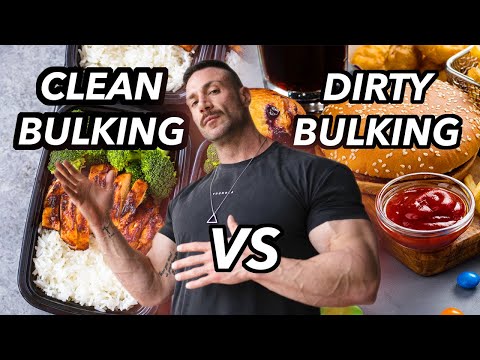
Are you curious about how to fuel your body for optimal strength and growth? Bodybuilding is not just about lifting weights; it’s also about the nutrition that supports those efforts. A well-structured meal plan can be your secret weapon in achieving your fitness goals.
When considering a bodybuilding meal plan, it’s important to know which foods to favor and which ones to avoid. Think of it as building a strong house: the right materials will create a solid foundation, while the wrong choices could undermine all your hard work. Here, we’ll explore wholesome foods that can help boost muscle growth, enhance recovery, and support overall health.
However, it’s crucial to approach this journey with care. Nutritional needs can vary greatly among individuals depending on age, gender, activity level, and health conditions. What works for one person may not work for another. Always consult with different specialists and gather information from various reliable sources before making significant changes to your diet. Remember that knowledge is power; an informed decision leads to better outcomes!
The information provided in this article is intended solely for general informational and educational purposes. It does not constitute medical advice, diagnosis or professional treatment, and should not be considered a substitute for consultation with a qualified doctor or other licensed healthcare professional. Any health-related decisions should be made in consultation with accredited medical professionals.
While efforts have been made to ensure the information is accurate and up to date, no guarantees are given—either express or implied—regarding its accuracy, completeness, currency or suitability. Use of this information is at your own discretion.
It is strongly recommended to consult official sources such as the NHS (National Health Service) or other recognised medical institutions before acting on any information contained on this website or article. Under no circumstances should professional medical advice be ignored or delayed due to content read here.
This content is of a general and informational nature only. It is not intended to replace individualised guidance from a healthcare professional or to establish any doctor-patient relationship. The publication of this information does not imply any professional responsibility, guarantee or obligation on the part of the author or this site.
Foods That Could Sabotage Your Gains
When it comes to bodybuilding, what you eat can significantly impact your gains. While you may focus on protein and healthy fats, there are certain foods that could actually sabotage your progress. Let’s dive into some of these.
First, processed sugars are a big concern. Foods high in sugar often lead to fat gain rather than muscle. Think about candy, sodas, and sweetened cereals. These offer little nutritional value while giving you quick energy followed by a crash.
Next up are refined carbs. White bread, pastries, and many pasta options can spike your blood sugar levels. This not only affects energy but can also trigger increased hunger soon after eating.
Another group to consider is trans fats. Found in many fried foods and baked goods, trans fats can be harmful to heart health and contribute to inflammation in the body. This could hinder recovery after workouts.
Also watch out for alcohol. While enjoying a drink occasionally is fine, excessive consumption can slow down muscle recovery and affect hormone levels. It often leads to poor food choices as well.
Finally, be careful with high-sodium foods. Processed snacks like chips or canned soups may taste good but tend to have lots of salt which can lead to water retention. This might make you feel bloated and uncomfortable.
In summary:
Basing your meals on whole foods is one key strategy for maximizing gains in bodybuilding. By being mindful of what detracts from your goals, you’ll be better positioned to see the results you’re aiming for! Remember that balance is essential; it’s not just about elimination but making informed choices overall.
Fuel Your Gains: Discover the Ultimate Nutrition Strategy for Muscle Growth
Fueling your muscle growth is a blend of smart eating and understanding your body’s needs. A proper nutrition strategy can make a big difference in building lean muscle and supporting workouts. Let’s explore what to focus on.
First, think of your body as a car. Just like cars need fuel to run, your muscles need nutrients to grow. The right kind of fuel can maximize your performance and recovery.
Protein is the star player in building muscle. It helps repair and grow muscle fibers after workouts. Aim for sources like chicken, fish, eggs, beans, and legumes.
Here are some key points about protein intake:
Now, let’s talk about carbohydrates. These provide energy for your workouts. Think of carbs as the gas that powers your car’s engine. Include whole grains, fruits, and vegetables in your diet for sustained energy.
It’s also important to consider fats. Healthy fats support hormone production, which is vital for muscle growth. Sources like avocados, nuts, seeds, and olive oil can help here.
Certain foods are best avoided, especially if you’re focused on muscle gains:
Timing matters too! Eating before and after workouts can boost recovery. A meal or snack with protein and carbohydrates about 30 minutes before exercising will give you energy.
Post-workout meals should also combine protein with carbs to help replenish what you’ve used up during exercise.
Finally, stay hydrated! Water plays a significant role in performance and recovery. Dehydration can impact how well you train and recover.
In summary, focus on balanced meals rich in proteins, healthy carbs, and fats while staying hydrated. This approach creates a solid foundation for muscle growth while ensuring you’re taking care of your body effectively.
Always remember: it’s essential to listen to your body’s signals as you refine any nutrition plan!
Fueling Your Gains: Discover the Ultimate Nutrition Plan for Maximum Muscle Growth
To achieve maximum muscle growth, nutrition plays a big role. The right foods fuel your workouts and help in recovery. Think of your body as a car; it needs quality fuel to run well and perform.
First, let’s talk about protein. It’s essential for muscle repair. Aim for sources like lean meats, fish, eggs, and plant-based options like beans and lentils. Protein shakes can also be useful if you struggle to meet your needs through food alone.
Next up is carbohydrates. They provide energy for your workouts. Choose complex carbs like whole grains, oats, fruits, and vegetables. These offer sustained energy rather than quick spikes that simple sugars cause.
Don’t forget about healthy fats! They support hormone production and overall health. Foods such as avocados, nuts, seeds, and olive oil are great choices.
Now let’s discuss timing. Eating a balanced meal or snack before working out can boost performance. Post-workout nutrition is just as important; try to have protein and carbs within an hour after exercising to help with recovery.
Hydration is another key player in performance and recovery. Drink water throughout the day but pay attention to when you’re sweating more during workouts.
Here are some foods to favor:
And some foods you might want to avoid:
Listen to your body too! Everyone’s nutritional needs can vary based on activity level and personal health circumstances.
Lastly, while supplements can be tempting for quick fixes or boosts in nutrients, they shouldn’t replace whole foods in your diet. Focus on getting most of your nutrients from what you eat every day.
Remember that building muscle takes time along with a consistent workout routine paired with proper nutrition choices. Stay curious about your body’s responses as you learn what works best for you!
Creating a balanced bodybuilding meal plan involves understanding both macronutrients and the specific needs of your body. It’s not just about eating a lot of food; it’s about eating the right kind of food to fuel muscle growth and recovery.
Foods to Favor:
On the other hand, there are foods you should consider limiting or avoiding.
Foods to Avoid:
It’s important to remember that everyone’s dietary needs are different. Personal preferences, dietary restrictions, and individual body responses play a huge role in what works best for you.
Lastly, focus on portion sizes and meal timing. Eating smaller meals more frequently can keep your metabolism active while ensuring you get enough calories throughout the day.
By being mindful of what you eat—favoring whole foods full of nutrients while avoiding empty calories—you’ll lay the groundwork for successful bodybuilding results. Always consider consulting with a nutritionist or dietitian who can help tailor a meal plan suited specifically for your goals. Ultimately, this journey is about finding what nourishes your body best while supporting healthy habits for life.