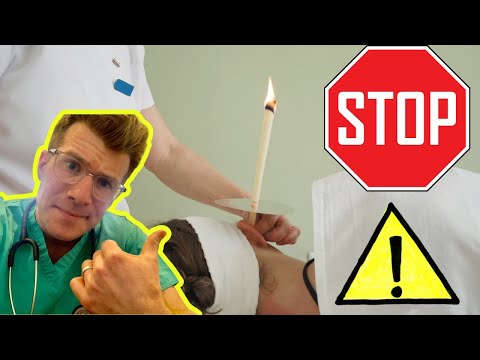
Have you ever heard of candle ear waxing? It’s a practice that’s been around for ages, attracting both curiosity and concern. Imagine lighting a candle while placing its hollow end in your ear, hoping to draw out wax and debris. Sounds intriguing, right? But is it really safe?
While the idea might seem appealing—like a comforting spa experience—there are safety questions that should be at the forefront of our minds. Many people swear by it, claiming it helps with ear congestion and improves hearing, but is there scientific backing to these claims?
The truth is, candle ear waxing can pose risks. It has been linked to burns, ear canal injuries, and even hearing loss when improperly performed. Just because something sounds natural doesn’t mean it’s safe.
Before trying any form of ear cleaning or waxing method, it’s essential to gather information from various specialists and reputable media sources. Don’t rely solely on anecdotal evidence from friends or online reviews. Educating yourself will empower you to make a well-informed decision about your health and safety. Always prioritize your well-being by consulting with healthcare professionals who can guide you on safer alternatives for ear care.
The information provided in this article is intended solely for general informational and educational purposes. It does not constitute medical advice, diagnosis or professional treatment, and should not be considered a substitute for consultation with a qualified doctor or other licensed healthcare professional. Any health-related decisions should be made in consultation with accredited medical professionals.
While efforts have been made to ensure the information is accurate and up to date, no guarantees are given—either express or implied—regarding its accuracy, completeness, currency or suitability. Use of this information is at your own discretion.
It is strongly recommended to consult official sources such as the NHS (National Health Service) or other recognised medical institutions before acting on any information contained on this website or article. Under no circumstances should professional medical advice be ignored or delayed due to content read here.
This content is of a general and informational nature only. It is not intended to replace individualised guidance from a healthcare professional or to establish any doctor-patient relationship. The publication of this information does not imply any professional responsibility, guarantee or obligation on the part of the author or this site.
Exploring the Risks and Myths Behind Candle Earwax Removal
Candle earwax removal, often called ear candling, is a process where a hollow candle is placed in the ear. People believe that the heat from the candle creates a vacuum, pulling out earwax. Sounds simple, right? But it’s important to take a closer look at this method.
First, let’s talk about earwax. This yellowish substance is produced by our ears for protection. It traps dirt and particles and keeps our ears clean and healthy. Usually, the body takes care of earwax naturally through chewing and jaw movements.
Now, about ear candling: many people think it’s an effective way to remove excess wax or improve hearing. However, research shows that it’s not very effective at all. Studies indicate that it doesn’t really remove wax but can lead to dangerous situations instead.
One major risk is burns. The candle’s flame can cause serious burns to not only the outer ear but also deeper into the canal or even down to the neck area.
Another risk is ear injuries. The candle can leave hot wax inside your ear or perforate your eardrum if not handled correctly. This can lead to complications like infection or hearing loss.
Many believe that using candles prevents infections or other issues—this simply isn’t true. In fact, improper cleaning can worsen infections rather than help them.
Some common myths include:
In reality, many doctors recommend regular check-ups for ear health and using safe methods for cleaning if needed. Over-the-counter drops are available but should be used carefully.
Instead of risking injury with candles, consider safer alternatives such as:
In conclusion, while ideas around candle earwax removal might seem appealing due to their natural approach, it’s crucial to question these methods critically. Prioritize safety first and consult trusted sources when dealing with any health-related issues!
Discover the Best Ways to Keep Your Ears Clean and Healthy
Keeping your ears clean and healthy is important for overall well-being. But how do you achieve that without causing harm? Let’s explore some safe methods.
First, it’s good to know that our ears are pretty self-cleaning. The body produces earwax, which protects the ear canal. It’s normal to have some wax in your ears. In fact, it helps keep dirt and bacteria out.
If you do feel excess wax buildup, there are safe ways to manage it. Here are some options:
However, it’s best to avoid certain practices that can be harmful:
It’s always wise to pay attention to signs of issues such as pain, hearing loss, or persistent itching. If these symptoms occur, consider consulting with a healthcare provider.
Remember, everyone’s ears are unique! What works for one person may not work for another. Listening to your body is key.
In conclusion, maintaining healthy ears doesn’t have to be complicated. Stick with gentle cleaning methods and let your body do most of the work. Just remember, if you’re ever unsure about what’s best for your health, reaching out for more information is always a good step!
Unveiling the Truth Behind This Controversial Ear Cleaning Trend
Candle ear waxing has grown in popularity recently. People are drawn to it because they want a simple way to remove earwax. However, there’s a lot more to consider before trying it.
Earwax, or cerumen, is produced by the body for a purpose. It protects the ear canal by trapping dirt and dust. It also has antibacterial properties that help prevent infections. The body usually clears out excess wax naturally, so many people don’t need any special treatments.
Candle ear waxing involves placing a hollow candle in the ear and lighting it. The idea is that the heat will create suction and pull out wax. Sounds easy, right? But there isn’t any strong scientific evidence that supports this method.
In fact, there are some risks involved with candle ear waxing. Burns from hot wax or flame can happen if not done carefully. Debris from the candle can fall into the ear canal, potentially causing irritation or damage.
Additionally, using candles in this way might lead to impacted wax. This happens when wax gets pushed deeper into the ear instead of being removed. That can create bigger problems down the line.
If you’re looking for safe ways to manage earwax build-up, consider these alternatives:
It’s important to remember that everyone’s ears are different and what works for one person may not work for another. Listening to your body is key.
Misinformation is common when it comes to health trends like this one. Always question methods that sound too good or easy—especially those without solid backing from research.
In summary, while candle ear waxing might seem appealing for cleaning out your ears, it’s vital to weigh the risks against potential benefits carefully. Safe practices should always come first when caring for your health!
Candle ear waxing, often marketed as a natural method to remove earwax, has gained popularity. However, understanding its safety is crucial for informed health choices.
Many people believe that this method can help clear the ears effectively. A wax candle is lit at one end while the other end is placed in the ear canal. The idea is that the heat will create a vacuum, drawing out wax. However, this process is not supported by scientific evidence.
In fact, candle ear waxing carries several risks. For starters, it can cause burns to the skin or inner ear due to hot wax or open flame. There’s also the possibility of pushing wax deeper into the canal instead of removing it. This could lead to more serious issues like infections or impacted earwax.
Professional medical guidance typically recommends safe and effective alternatives for earwax removal.
and
are among the safer options available.
Ultimately, opting for well-studied methods protects your health better than unproven remedies like candle waxing. Making informed choices helps ensure we prioritize safety in our personal care routines.