
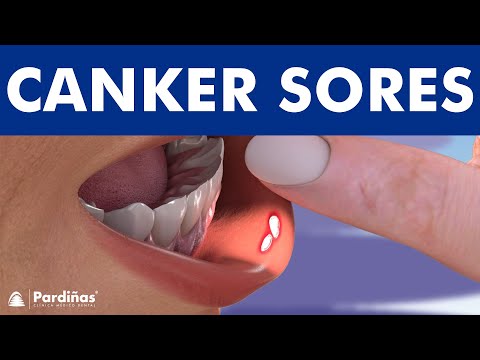
Canker sores can feel like unwelcome guests in your mouth. Those small, painful ulcers often appear on the inside of your cheeks or lips, making eating, talking, and even smiling uncomfortable. Understanding what triggers these pesky sores can help you manage their return effectively.
Curious about why they happen? Many factors can induce these sores, from stress and hormonal changes to certain foods. Some people may be genetically predisposed to them, while others might find that sharp edges from dental work play a role.
Healing canker sores usually involves some simple at-home care—think of it as giving your mouth a little TLC. Rinsing with salt water, avoiding irritating foods like citrus or spicy items, and keeping your mouth clean can help soothe the pain and speed up healing.
However, it’s crucial to remember that while we share helpful tips here, everyone’s situation is unique. Canker sores can sometimes signal deeper health issues or require professional care for recurring cases. Always inform yourself through different specialists and trusted sources to get the best advice for your individual needs. Your health journey is important—be diligent about seeking accurate information!
The information provided in this article is intended solely for general informational and educational purposes. It does not constitute medical advice, diagnosis or professional treatment, and should not be considered a substitute for consultation with a qualified doctor or other licensed healthcare professional. Any health-related decisions should be made in consultation with accredited medical professionals.
While efforts have been made to ensure the information is accurate and up to date, no guarantees are given—either express or implied—regarding its accuracy, completeness, currency or suitability. Use of this information is at your own discretion.
It is strongly recommended to consult official sources such as the NHS (National Health Service) or other recognised medical institutions before acting on any information contained on this website or article. Under no circumstances should professional medical advice be ignored or delayed due to content read here.
This content is of a general and informational nature only. It is not intended to replace individualised guidance from a healthcare professional or to establish any doctor-patient relationship. The publication of this information does not imply any professional responsibility, guarantee or obligation on the part of the author or this site.
Fast relief for uncomfortable mouth sores
Mouth sores, like canker sores, can be uncomfortable and irritating. They often appear unexpectedly and can make eating or speaking challenging. Let’s look at some ways to find relief.
First, it’s important to understand what triggers these sores. Stress, certain foods, or even hormonal changes can play a role. Identifying your triggers may help reduce the frequency of outbreaks.
To ease discomfort from mouth sores, you might consider these methods:
Another helpful tip is avoiding spicy or acidic foods while a sore is healing. Foods like citrus fruits or tomatoes may irritate them further.
Over-the-counter topical treatments are also available. These products often contain ingredients like benzocaine to numb pain.
Staying hydrated is crucial too. Drink plenty of water throughout the day to keep your mouth moist and promote faster healing.
Lastly, if sores are frequent or particularly painful, it might be worth discussing your symptoms with someone who can evaluate your situation more closely.
In conclusion, while not all remedies work for everyone, trying different methods can help you find what’s best for you. Remember that each person’s body reacts differently, so listening to yours is key!
Uncovering the Triggers Behind Those Painful Mouth Ulcers
Mouth ulcers, often called canker sores, can be really painful and annoying. Many people experience them at some point in their lives. Understanding what triggers these sores can help you manage them better.
One of the main reasons for mouth ulcers is stress. Just like a pressure cooker builds up steam, our bodies react to stress by releasing hormones that might lead to inflammation. This inflammation can cause those painful sores.
Another common trigger is certain foods. Acidic or spicy foods like tomatoes, citrus fruits, and chips can irritate the mouth’s lining. Consider how your favorite snack might actually be causing discomfort.
Nutritional deficiencies deserve attention too. Lack of vitamins, especially B12, folate, or iron, may make you more prone to developing these ulcers. Think of vitamins as building blocks; without enough blocks, you can’t build a strong structure.
Hormonal changes are also linked to mouth ulcers. For example, many women notice they get these sores during their menstrual cycle when hormone levels fluctuate. It’s similar to how some plants bloom only at certain times of the year.
Certain medical conditions can increase the likelihood of getting mouth ulcers as well. Conditions like celiac disease or inflammatory bowel disease affect how your body absorbs nutrients and handles inflammation.
Sometimes medications might play a role too. Non-steroidal anti-inflammatory drugs (NSAIDs) and some antibiotics have been known to cause irritation in the mouth leading to sores. It’s important to pay attention if you notice a pattern during your medication schedule.
Allergies to certain ingredients in toothpaste or mouthwash could also be culprits behind those irritating ulcers. If you find yourself getting frequent sores after using new products, it might be worth switching things up.
Lastly, genetics could have an impact on your likelihood of having mouth ulcers as well. If family members often get them, there’s a chance you may too—kind of like inheriting eye color!
In conclusion, understanding the triggers behind mouth ulcers helps create a plan for prevention and management. While they typically heal on their own within 1-2 weeks, maintaining good oral hygiene and managing stress are simple steps anyone can take for relief. Always consider keeping track of any patterns related to diet or health changes for better insights into your own situation!
The Timeline for Recovery from Canker Sores: What to Expect
Canker sores can be quite uncomfortable. They often appear as small, painful ulcers inside the mouth. Understanding the recovery timeline can help you manage them better.
Typically, a canker sore lasts about 7 to 14 days. Most people find that the pain decreases significantly after a few days, but healing continues.
Here’s a general timeline of recovery:
It’s important to note that some factors can trigger these sores. Stress, certain foods, and even hormonal changes are common culprits.
Keep in mind that some people experience frequent episodes of canker sores. If you’re noticing more than once a month, it could be worth discussing with someone knowledgeable about oral health.
During recovery, maintain good oral hygiene but avoid irritants like spicy or acidic foods if they cause pain.
If your canker sore does not heal within two weeks or worsens significantly, it might be wise to seek advice from a knowledgeable source.
Listening to your body is key. If something feels off or causes concern during recovery, consider reaching out for guidance.
Staying informed helps you recognize normal healing patterns and make decisions accordingly. Knowledge empowers you on the path to comfort and health!
Canker sores, or aphthous ulcers, can be a frustrating and painful experience for many. Understanding their triggers is crucial for prevention and management. Common triggers include stress, certain foods (like citrus or spicy items), and nutrient deficiencies, particularly in vitamins B12, folate, and iron.
Healing usually takes time, as canker sores often resolve on their own within one to two weeks. However, supportive measures can ease the discomfort. Over-the-counter topical treatments can provide pain relief and promote healing by creating a protective barrier over the sore.
It’s important to know that while they might seem like an isolated dental issue, canker sores may signal underlying health concerns when they occur frequently. Therefore, keeping track of their occurrence and discussing them with your healthcare provider if they recur is wise.
By practicing good oral hygiene and managing stress levels, individuals may reduce the frequency of these annoying sores. Empowering oneself with knowledge about personal triggers fosters better control over one’s health. Ultimately, listening to your body and seeking appropriate care contributes to well-being.


