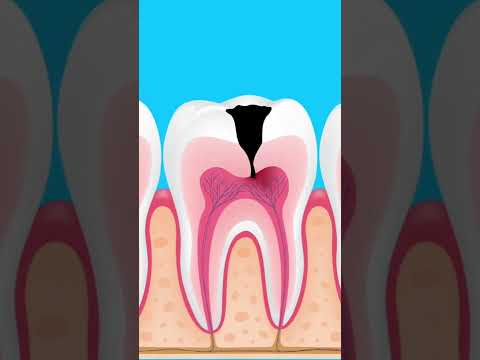
Cavities are a common dental issue, yet many people overlook them until they feel discomfort. Think of a cavity like a hidden pothole in your favorite road. At first, you might not notice it, but over time, it can cause significant problems if left unaddressed.
Understanding cavities—what they are, how they form, and their impact on your oral health—is essential for everyone. In “Cavity Clarity: Symptoms, Causes, and Treatments Revealed,” we will explore the signs that indicate a cavity is developing, delve into the reasons why they occur, and discuss effective treatment options available today.
However, it’s crucial to approach this topic with caution. The information provided here serves as an introduction to understanding cavities better but should not replace professional advice. Cavity-related concerns can vary greatly from person to person. Always consult with dental professionals and consider multiple sources of information for comprehensive insights into your individual situation. Stay informed and proactive about your oral health!
The information provided in this article is intended solely for general informational and educational purposes. It does not constitute medical advice, diagnosis or professional treatment, and should not be considered a substitute for consultation with a qualified doctor or other licensed healthcare professional. Any health-related decisions should be made in consultation with accredited medical professionals.
While efforts have been made to ensure the information is accurate and up to date, no guarantees are given—either express or implied—regarding its accuracy, completeness, currency or suitability. Use of this information is at your own discretion.
It is strongly recommended to consult official sources such as the NHS (National Health Service) or other recognised medical institutions before acting on any information contained on this website or article. Under no circumstances should professional medical advice be ignored or delayed due to content read here.
This content is of a general and informational nature only. It is not intended to replace individualised guidance from a healthcare professional or to establish any doctor-patient relationship. The publication of this information does not imply any professional responsibility, guarantee or obligation on the part of the author or this site.
Simple Steps to Preserve Your Smile and Stop Cavities in Their Tracks
Maintaining a healthy smile involves simple habits that can significantly reduce the risk of cavities. Let’s break it down into manageable steps.
Firstly, brush your teeth twice a day. This is the foundation of good oral hygiene. Use fluoride toothpaste because it helps strengthen tooth enamel and protect against decay.
Next, don’t forget to floss daily. Flossing removes food particles and plaque from between your teeth where your toothbrush can’t reach. Think of it like cleaning out the nooks and crannies in your home.
It’s also important to watch what you eat. Sugary foods and drinks can contribute to cavities. When sugar meets bacteria in the mouth, it forms acid that erodes tooth enamel. Try to limit treats like candy, soda, and even some fruit juices.
Another simple step is staying hydrated with water. Drinking water helps wash away food particles and bacteria after meals. Plus, it keeps your mouth moist, which helps prevent dry mouth issues that can lead to cavities.
Regular visits to a dentist are key too. Professional cleanings remove tartar buildup that you can’t get rid of on your own. Your dentist can also spot early signs of cavities before they become serious problems.
Using mouthwash with fluoride can be an excellent addition to your routine as well. It provides extra protection against cavities by coating your teeth after brushing.
Lastly, consider using products that contain xylitol. This natural sugar substitute can inhibit cavity-causing bacteria from growing, giving you another layer of defense for your teeth.
To sum up:
By adopting these straightforward practices, you can significantly improve your oral health and keep those cavities at bay!
Uncovering the Hidden Signs of Tooth Decay
Tooth decay, often called cavities, is a common issue that can affect anyone. Many people think they would see obvious signs when decay starts to happen. However, some signs can be hidden or easy to overlook.
First, it’s important to know what causes tooth decay. When we eat sugary foods, bacteria in our mouths feed on those sugars and produce acids. These acids can wear down the enamel of our teeth, leading to decay over time.
Here are some hidden signs of tooth decay you might not notice:
Noticing these signs early lets you take action before things get worse. Regular dental check-ups help find issues before they cause pain or more serious problems.
Treatment for tooth decay often depends on how advanced it is:
Prevention is key when it comes to tooth health.
Here are some tips for keeping your teeth healthy:
Recognizing the hidden signs of tooth decay is essential for maintaining good oral health. Stay aware of how your mouth feels and looks; little changes matter! By taking care of your teeth today, you invest in better dental health tomorrow. Always remember to talk with professionals about any concerns you have regarding dental issues; their insights will guide you best!
Discover the Innovative Way to Restore Your Smile and Stop Cavities in Their Tracks
Cavities are a common dental problem affecting people of all ages. They start when tooth enamel, the hard outer layer of your teeth, begins to break down. This process can lead to holes in the teeth if not addressed.
Understanding cavities starts with recognizing their symptoms. You might notice:
So, what causes these pesky cavities? The main culprit is plaque, a sticky film of bacteria that forms on your teeth. When you eat sugary or starchy foods, these bacteria produce acid that eats away at enamel.
To stop cavities from forming, good oral hygiene is essential. Brush twice daily and floss regularly. Using fluoride toothpaste can help strengthen enamel and make it more resistant to decay.
But what if you could restore your smile without traditional fillings? Some innovative treatments are gaining attention:
Education plays a huge role here. Many people are unaware of how diet affects dental health. Reducing sugary snacks and beverages can make a significant difference.
Also, regular dental check-ups can catch issues before they become severe. Your dentist can provide personalized advice based on your unique situation.
In conclusion, understanding cavities and their treatment options empowers you to make informed choices about your dental health. By adopting good habits and exploring innovative solutions, you can enjoy a healthier smile for years to come.
“Cavity Clarity: Symptoms, Causes, and Treatments Revealed” offers an insightful look into a common yet often misunderstood dental issue. It emphasizes that cavities are more than just a nuisance; they are indicators of our overall oral health.
Understanding symptoms like tooth sensitivity and visible holes helps individuals seek timely care. The exploration of causes offers clarity on how diet, oral hygiene habits, and genetics play crucial roles in cavity development.
The treatment section effectively addresses both preventive and restorative options, underscoring the importance of regular dental check-ups. By demystifying the process—from identifying early signs to discussing treatment plans—this discussion empowers readers to make informed decisions about their dental health.
Overall, it serves as a valuable resource for anyone looking to enhance their understanding of cavities and take proactive steps toward maintaining a healthy smile. It encourages critical thinking about personal habits and challenges myths surrounding dental care.