The cephalic vein may not be a household name, but it plays a significant role in our circulatory system. Imagine it as a highway for blood running through your arm. This vein is prominent and easy to see, often visible just beneath the skin’s surface. It helps transport blood back to the heart from the hand and forearm.
Understanding the anatomy of the cephalic vein opens up a world of insights about our bodies. It’s not just about how it looks; it’s about how it functions and its importance during medical procedures like blood draws or IV insertions. You’ll find this vein often used as access points due to its size and location.
However, while learning about health topics like the cephalic vein can be fascinating, it’s crucial to approach information responsibly. Always seek guidance from qualified specialists and consult diverse sources before making health decisions. Misinformation can lead to misunderstandings that might impact your well-being. Keep curiosity alive, but balance it with thorough research!
The information provided in this article is intended solely for general informational and educational purposes. It does not constitute medical advice, diagnosis or professional treatment, and should not be considered a substitute for consultation with a qualified doctor or other licensed healthcare professional. Any health-related decisions should be made in consultation with accredited medical professionals.
While efforts have been made to ensure the information is accurate and up to date, no guarantees are given—either express or implied—regarding its accuracy, completeness, currency or suitability. Use of this information is at your own discretion.
It is strongly recommended to consult official sources such as the NHS (National Health Service) or other recognised medical institutions before acting on any information contained on this website or article. Under no circumstances should professional medical advice be ignored or delayed due to content read here.
This content is of a general and informational nature only. It is not intended to replace individualised guidance from a healthcare professional or to establish any doctor-patient relationship. The publication of this information does not imply any professional responsibility, guarantee or obligation on the part of the author or this site.
A Deep Dive into the Structure and Function of the Body’s Key Vein
The cephalic vein is an important vessel in your body. It plays a key role in the circulatory system. Understanding its structure and function can help you appreciate how your body works.
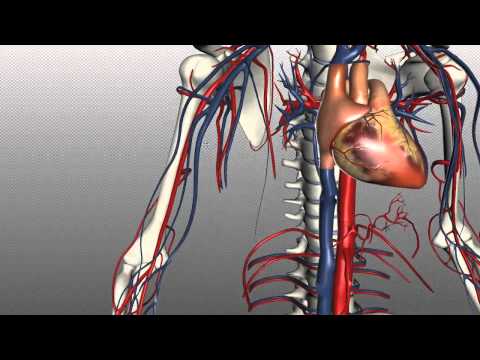
The cephalic vein is located in the upper limb. It runs along the outer side of your arm, from the hand to the shoulder. This vein is relatively large, making it easy to access for medical procedures like blood draws or IV placements.
Anatomy of the cephalic vein is fascinating. It begins at the dorsal venous network of the hand. From there, it ascends along the radial side of your forearm and arm. Eventually, it joins with other veins near the shoulder to connect with larger veins returning blood to the heart.
The primary function of veins is to return deoxygenated blood back to the heart. The cephalic vein carries blood from your arm, which has delivered oxygen and nutrients to your tissues, back for re-oxygenation.
One interesting fact about this vein is its superficial position. Because it lies close to the skin’s surface, it’s often used in venipuncture—an important procedure for testing blood samples.
Another notable feature is its variability among individuals. Some people might have a cephalic vein that’s larger or more prominent than others. This could affect ease of access during medical interventions.
It’s also important to understand that even though it’s commonly used, there are risks involved with accessing this vein. Possible complications can include bruising, infection, or injury to surrounding structures.
Understanding how veins like the cephalic work can help you recognize their importance in circulatory health. Always ask questions if you’re unsure about any medical procedure involving this or any other part of your body.
In summary, learning about these key anatomical features enables you to make informed decisions regarding health care options and understand their significance better in daily life!
Discover the Essential Role of the Cephalic Vein in Your Anatomy Journey
The cephalic vein is a significant blood vessel in our body. It runs along the outer side of the arm and is easily visible under the skin. This makes it an important site for various medical procedures.
One of its main roles is to carry deoxygenated blood from the hand and forearm back to the heart. Think of it like a highway transporting cars (blood) to their destination (the heart).
The cephalic vein connects with other veins in the arm, creating a network that ensures efficient blood flow. This connection also helps prevent blockages, which can be problematic.
Here are some key points about the cephalic vein:
During medical procedures, healthcare providers often choose this vein because it’s easy to locate. Its accessibility makes it a go-to option for blood tests or starting an IV.
However, it’s essential to handle this vein carefully. Although it’s generally safe, any procedure can introduce risks like infection or bruising. Being informed about these possibilities encourages responsible health decisions.
Many myths exist around veins and their functions. For instance, some people think that if one vein is blocked, others can’t compensate. In reality, our venous system is designed to adapt and redirect blood flow when necessary.
Understanding the role of veins like the cephalic can enhance our knowledge of human anatomy. It reveals how interconnected our body systems are and how they work together seamlessly.
In conclusion, while often overlooked, the cephalic vein plays a vital role in maintaining healthy circulation in your arm. Acknowledging its importance may help you appreciate your body’s intricate design even more.
Discovering the Key Role of the Cephalic Vein in Health and Treatment
The cephalic vein is a key player in the body’s circulatory system. It runs along the outer side of the arm and is visible beneath the skin, making it easy to identify.
Anatomy of the cephalic vein is quite fascinating. It begins in the hand, runs up the forearm, and continues up through the arm. Its route takes it across various muscles and close to other important structures.
This vein has several important roles. First, it helps carry blood back to the heart from the arm and hand. This function is crucial for maintaining good circulation.
In healthcare settings, the cephalic vein is often used for venipuncture, which is when a needle is inserted to draw blood or administer medication. Because it’s generally closer to the surface, it’s a preferred choice.
Another interesting point is its role in access for treatments. In some cases, patients may need regular infusions or dialysis. The cephalic vein can be used for these procedures due to its size and accessibility.
However, there are common myths about veins that should be addressed. Just because a vein appears large does not mean it’s always healthy or functional. Various factors can affect its condition.
Also, some people think that only larger veins are useful for medical procedures. That’s not true; smaller veins can also play significant roles in treatment options.
Maintaining good health impacts how well this vein functions too. Staying hydrated and eating well supports overall circulation and vascular health.
In conclusion, understanding your body’s anatomy—like that of the cephalic vein—can enhance your awareness of how health works overall. By recognizing this important vessel’s role, you can make informed decisions regarding your circulatory health and treatment options.
Always consult with healthcare professionals if you have questions or concerns about your veins or related health topics!
The cephalic vein is an essential structure in the human circulatory system, often overlooked but significant for various medical applications. Its anatomy is relatively straightforward; it runs along the outer side of the arm and is prominently visible in many individuals. Understanding this vein’s location and characteristics is crucial for healthcare professionals, particularly those involved in phlebotomy and intravenous (IV) therapy.
This vein serves as a vital pathway for venous blood return from the hand and forearm to the heart. Its accessibility makes it a common choice for drawing blood or placing IV lines. Recognizing its anatomical relationship with surrounding structures is essential, as improper techniques can lead to complications.
Moreover, the cephalic vein has gained interest in recent years for its role in certain surgical procedures, such as creating arteriovenous fistulas for dialysis patients. By understanding its anatomy and function, practitioners can improve patient outcomes significantly.
In conclusion, while the cephalic vein may appear simple at first glance, its anatomical intricacies and clinical significance offer valuable insights into its role in health care. Continued education on this topic promotes better practices among medical professionals and enhances patient safety during procedures involving intravenous access.