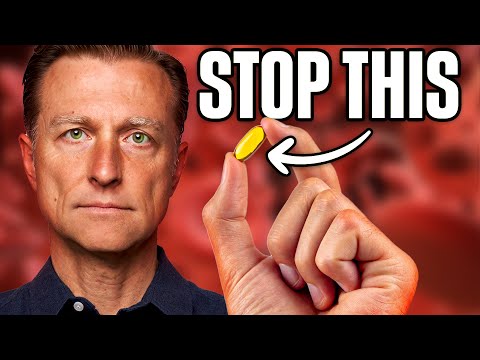
Cholecalciferol, commonly known as Vitamin D3, is a nutrient often praised for its role in supporting bone health and immune function. Think of it as the sunshine vitamin; when your skin is exposed to sunlight, it naturally produces this vital nutrient. However, many people might find it hard to get enough from sunlight alone due to lifestyle or geographic factors.
Oral supplements can be a convenient way to boost your Vitamin D levels. But like any supplement, it’s essential to understand both the benefits and risks associated with its use. While adequate levels of Vitamin D3 can lead to stronger bones and improved mood, too much of it can lead to health issues such as kidney stones or calcium buildup in the organs.
Before making decisions about supplementation, it’s crucial to gather comprehensive information from various healthcare professionals and reliable sources. Different specialists—like nutritionists, general physicians, and endocrinologists—can provide valuable insights tailored to your unique needs. Remember that what works for one person may not work for another; individual circumstances can significantly influence health outcomes.
Stay informed and tread carefully when considering Vitamin D3 supplementation. Your health is important—taking the time to research and consult with qualified experts will empower you to make informed choices that are right for you. Always prioritize a holistic approach that considers all aspects of your well-being.
The information provided in this article is intended solely for general informational and educational purposes. It does not constitute medical advice, diagnosis or professional treatment, and should not be considered a substitute for consultation with a qualified doctor or other licensed healthcare professional. Any health-related decisions should be made in consultation with accredited medical professionals.
While efforts have been made to ensure the information is accurate and up to date, no guarantees are given—either express or implied—regarding its accuracy, completeness, currency or suitability. Use of this information is at your own discretion.
It is strongly recommended to consult official sources such as the NHS (National Health Service) or other recognised medical institutions before acting on any information contained on this website or article. Under no circumstances should professional medical advice be ignored or delayed due to content read here.
This content is of a general and informational nature only. It is not intended to replace individualised guidance from a healthcare professional or to establish any doctor-patient relationship. The publication of this information does not imply any professional responsibility, guarantee or obligation on the part of the author or this site.
Uncovering the Dark Side of Vitamin D3: What You Need to Know
Vitamin D3, also known as cholecalciferol, is often hailed for its numerous health benefits. But like many supplements, it has a dark side that deserves attention.
First, let’s talk about what Vitamin D3 does. It plays a vital role in maintaining strong bones by helping our bodies absorb calcium. It also supports immune function and may even improve mood. However, the relationship with vitamin D is not entirely straightforward.
One concern is over-supplementation. Many people think that more is better when it comes to vitamins. Taking excessive amounts of Vitamin D3 can lead to toxicity. This could manifest as nausea, vomiting, and confusion. In severe cases, it might result in kidney damage.
Another risk involves interactions with medications. For instance, some heart medications can be affected by vitamin D levels. If you’re on any medication, it’s crucial to be aware of potential interactions.
It’s also important to consider individual differences. Not everyone absorbs or utilizes Vitamin D in the same way. Factors like age, weight, and even skin color can influence how much we need.
There are myths surrounding Vitamin D3 too. Some people believe that it can prevent diseases like COVID-19 or cancer outright. While sufficient vitamin levels are important for general health, they are not a substitute for vaccines or other proven medical interventions.
Furthermore, relying solely on supplements isn’t always effective. The body naturally produces vitamin D from sunlight exposure; however, geographical factors and lifestyle choices can limit this production.
In summary:
Being informed allows you to make responsible choices about your health. It’s always wise to consult with a healthcare provider before starting or changing any supplement regimen.
Navigating the Potential Benefits and Drawbacks of Vitamin D3 Supplementation
Navigating the world of vitamin D3 can feel a bit like walking through a maze. This vitamin, also known as cholecalciferol, plays several roles in our body. Understanding its benefits and drawbacks helps us make better health choices.
Vitamin D3 is important for bone health. It aids in calcium absorption, which is essential for strong bones and teeth. Think of vitamin D3 as the manager of a construction site. Without it, the workers—calcium and phosphorus—struggle to build a sturdy foundation.
Some research suggests vitamin D3 might help boost mood and support the immune system. Some people take it during winter months when sunlight exposure decreases, as sunlight naturally helps our bodies produce this vitamin.
However, not everything about supplementation is rosy. Taking too much vitamin D3 can lead to toxicity. Symptoms may include nausea, vomiting, weakness, and serious complications like kidney damage.
– Supports bone health
– May improve mood
– Aids immune function
– Risk of toxicity with high doses
– Possible interactions with certain medications
It’s also worth noting that many people get enough vitamin D from their diet or on sunny days without needing supplements. Foods like fatty fish, egg yolks, and fortified products contribute to your daily intake.
Before starting any supplement regimen, consider talking to someone knowledgeable about your health history. Everyone’s needs are different based on lifestyle factors and existing conditions.
In summary, while vitamin D3 has significant potential benefits for some individuals, it’s essential to approach supplementation thoughtfully. The key is balance—ensuring you get enough without going overboard—and proper guidance can help navigate this important aspect of your health journey.
Understanding the Risks and Benefits of Vitamin D Supplementation
Vitamin D is often called the “sunshine vitamin” because our skin makes it when exposed to sunlight. However, many people don’t get enough of it, especially in areas with limited sunlight or during winter months. This is where supplementation comes into play.
Benefits of Vitamin D Supplementation
While vitamin D has its benefits, there are potential risks too.
Risks of Vitamin D Supplementation
It’s also important to remember that not everyone needs supplements. If you get enough sun exposure or have a balanced diet rich in fish, dairy, or fortified foods, you might not require extra vitamin D.
Before starting any supplement routine, consider these points:
Considerations Before Supplementing
In conclusion, understanding both the risks and benefits of vitamin D supplementation helps you make informed choices about your health. Balance and individual needs are key in this conversation about supplements. Always think critically about what you put into your body!
Cholecalciferol, commonly known as Vitamin D3, plays a vital role in our overall health. It supports calcium absorption, which is crucial for maintaining strong bones and teeth. This vitamin also enhances the immune system and has been linked to mood regulation.
The benefits of Vitamin D3 extend beyond bone health. Research suggests it may help reduce the risk of certain chronic diseases, including heart disease and diabetes. Additionally, adequate levels of Vitamin D3 can be beneficial for mental well-being and may play a role in preventing depression.
However, it’s essential to be aware of the risks associated with excessive intake. High doses of Vitamin D3 can lead to toxicity, characterized by symptoms such as nausea, vomiting, weakness, and serious complications like kidney damage or cardiovascular issues.
It’s crucial for individuals to consider their dietary intake and sunlight exposure when deciding on supplementation. While some may benefit from additional Vitamin D3 due to factors like limited sun exposure or certain medical conditions, others might get enough through diet or lifestyle alone.
In summary, while Cholecalciferol offers significant health benefits when taken appropriately, awareness of potential risks is vital. Personalization in supplementation is key; consulting with a healthcare provider can help determine individual needs safely and effectively.