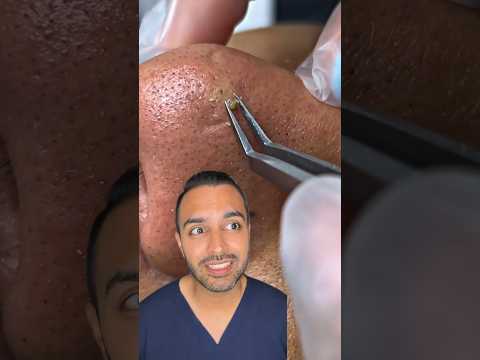
When it comes to skin care, many of us have encountered pesky little spots known as blackheads and whiteheads. They might seem similar at first glance, but they have distinct differences that can impact how we treat them. Understanding these differences can help you choose the right skin-care routine for your unique needs.
Think of blackheads as tiny traffic jams in your pores—when oil, dead skin, and bacteria mix together but still manage to reach the surface. The exposure to air causes them to darken, giving them that characteristic black appearance. In contrast, whiteheads are like closed-off tunnels; they occur when pores become blocked but remain sealed from air. This lack of exposure prevents oxidation, keeping them a lighter color.
Both blackheads and whiteheads fall under the umbrella of acne but require different approaches for effective treatment. Knowing what causes each type can make all the difference for clearer skin.
However, it’s essential to be cautious about where you gather your information on this topic. While there is a wealth of advice available online, not all sources are trustworthy or medically sound. Always consider consulting various specialists and cross-check information through different media platforms to ensure you’re making informed decisions about your skin care routine and overall health. Your skin deserves the best!
The information provided in this article is intended solely for general informational and educational purposes. It does not constitute medical advice, diagnosis or professional treatment, and should not be considered a substitute for consultation with a qualified doctor or other licensed healthcare professional. Any health-related decisions should be made in consultation with accredited medical professionals.
While efforts have been made to ensure the information is accurate and up to date, no guarantees are given—either express or implied—regarding its accuracy, completeness, currency or suitability. Use of this information is at your own discretion.
It is strongly recommended to consult official sources such as the NHS (National Health Service) or other recognised medical institutions before acting on any information contained on this website or article. Under no circumstances should professional medical advice be ignored or delayed due to content read here.
This content is of a general and informational nature only. It is not intended to replace individualised guidance from a healthcare professional or to establish any doctor-patient relationship. The publication of this information does not imply any professional responsibility, guarantee or obligation on the part of the author or this site.
A Deep Dive into the Battle of Skin Imperfections
Skin imperfections, like blackheads and whiteheads, are common concerns for many. Understanding these two can help you tackle them more effectively.
Both blackheads and whiteheads are types of acne. They form when hair follicles in your skin become clogged with oil (sebum), dead skin cells, and bacteria.
Blackheads are open at the surface. This exposure to air causes the trapped material to oxidize. That’s why they look dark or black. Think of them as tiny pores that have gotten slightly dirty but are not inflamed.
On the other hand, whiteheads remain closed beneath the skin’s surface. This prevents oxidation, leading to a white or flesh-colored appearance. Picture them like sealed envelopes – the contents inside aren’t visible until you open them.
The causes behind both are similar: excess oil production, hormonal changes, and even certain foods can contribute. Stress can also play a role in how our skin reacts.
Clearing up these imperfections doesn’t require extreme measures. Simple skincare routines often help maintain clearer skin. Regular cleansing can remove excess oil and debris without harsh scrubs that irritate sensitive skin.
Another common myth is that squeezing blackheads or whiteheads is always bad for your skin. While it might lead to scarring or infection if done improperly, gentle extraction by a professional can sometimes be beneficial.
It’s important to note that everyone’s skin is different. What works for one person might not work for another due to variations in skin type and sensitivity.
Lastly, remember that achieving clear skin takes time and patience. Small lifestyle changes may also make a difference over time – like staying hydrated, eating well, and managing stress levels.
Being informed about how these imperfections arise empowers you to choose effective treatment options wisely!
Unlock Radiant Skin: Simple Steps to Banish Blackheads and Whiteheads Forever
Understanding blackheads and whiteheads can feel like cracking a code. These two are common forms of acne, but they have distinct characteristics.
Blackheads are open comedones. They appear as small dark spots on your skin. The dark color comes from oxidation. When the clogged pore is exposed to air, the oil inside oxidizes and turns black.
Whiteheads, on the other hand, are closed comedones. They remain under the skin’s surface and look like small white bumps. Since they’re not exposed to air, they don’t turn dark.
Both types occur when pores become clogged with oil, dead skin cells, and bacteria. Think of your pores as tiny drain pipes that sometimes get blocked.
So how can you manage them? Here are some simple steps:
A healthy diet also supports clear skin. Hydration plays a big role too; drink plenty of water!
Sometimes it’s tricky because everyone’s skin is unique. What works for one person may not work for another. If you’re struggling with persistent issues, it could be wise to consult someone knowledgeable in skincare for guidance tailored specifically for you.
Remember: keeping your skin clean and properly cared for is key in managing blackheads and whiteheads effectively! Focus on consistency rather than expecting instant miracles. Be patient with your routine; it takes time for results to show up!
Unraveling the Mystery of Your Skin’s Unique Blemishes
Your skin is an incredible organ. It protects you from the outside world while also reflecting your inner health. Sometimes, it shows blemishes that can be confusing. Two common types are blackheads and whiteheads.
Both blackheads and whiteheads are forms of acne. They happen when hair follicles become clogged with oil, dead skin cells, and sometimes bacteria. Understanding the difference between them can help you take better care of your skin.
Blackheads are open at the surface of the skin. This exposure causes the oily material inside to oxidize and turn dark. They’re often small and can appear on various parts of your face, especially the nose and chin.
Whiteheads, on the other hand, remain closed under a thin layer of skin. They appear as small white or flesh-colored bumps on the surface. Since they’re trapped beneath the skin, they don’t get oxidized like blackheads do.
Here are some key points to remember about these blemishes:
Managing blackheads and whiteheads is all about routine care. Regular washing with gentle products can help maintain clear pores without irritation.
Many myths surround acne treatment options too. You might hear suggestions like “drying out” your skin will solve everything. However, overly drying products can actually irritate your skin more.
Instead of harsh treatments, look for non-comedogenic skincare products. These are formulated not to clog pores, which is key in preventing both blackheads and whiteheads.
Consulting a healthcare provider is advisable if you’re concerned about persistent acne or if it’s affecting your self-esteem. Each person’s skin is unique, which means what works for one may not work for another.
Understanding these basics helps you demystify what happens on your face daily! Embracing a healthy routine tailored to your specific needs promotes healthier looking skin overall.
Navigating the landscape of skin issues can often be complex, particularly when it comes to understanding blackheads and whiteheads. Both are types of acne, yet they manifest differently and require distinct care approaches. Clarifying these differences is crucial for effective skincare.
Blackheads are open comedones, meaning they form when hair follicles are clogged with excess oil and dead skin cells. The exposure to air causes the material inside to oxidize, turning it dark. They’re often found on the nose and other areas where oil glands are abundant.
In contrast, whiteheads are closed comedones. They occur when clogged pores remain sealed beneath the skin’s surface. This lack of exposure prevents oxidation, resulting in a white or flesh-colored bump.
Understanding these distinctions allows for more informed decisions regarding treatment options. For instance, products containing salicylic acid can effectively target both types but may work differently depending on individual skin needs.
Furthermore, myths surrounding these conditions often lead to unnecessary frustration—like believing that squeezing them will result in clearer skin temporarily; this can lead to scarring or infection instead.
Ultimately, fostering a clear understanding of blackheads and whiteheads empowers individuals to take better care of their skin with tailored approaches that suit their unique needs. Knowledge is indeed a powerful tool in skincare management.