The information provided in this article is intended solely for general informational and educational purposes. It does not constitute medical advice, diagnosis or professional treatment, and should not be considered a substitute for consultation with a qualified doctor or other licensed healthcare professional. Any health-related decisions should be made in consultation with accredited medical professionals.
While efforts have been made to ensure the information is accurate and up to date, no guarantees are given—either express or implied—regarding its accuracy, completeness, currency or suitability. Use of this information is at your own discretion.
It is strongly recommended to consult official sources such as the NHS (National Health Service) or other recognised medical institutions before acting on any information contained on this website or article. Under no circumstances should professional medical advice be ignored or delayed due to content read here.
This content is of a general and informational nature only. It is not intended to replace individualised guidance from a healthcare professional or to establish any doctor-patient relationship. The publication of this information does not imply any professional responsibility, guarantee or obligation on the part of the author or this site.
Have you ever wondered if there could be a healthier alternative to chocolate? It’s a pretty common craving, right? Well, carob might be the answer you’ve been looking for. Although it might not get as much attention as cocoa, carob has some impressive health benefits that are totally worth knowing about.
This article dives into five key advantages of incorporating carob into your diet. From helping to manage weight to battling digestive issues, there’s a lot more to this sweet treat than meets the eye. Plus, the best part is that it comes without some of the bitter side effects of chocolate.
You may already be thinking about how you can add something new to your meals or snacks. And honestly, wouldn’t it be nice to feel good about indulging your sweet tooth? While carob isn’t a magic solution and won’t replace medical advice, understanding these benefits can empower you in making better choices for your health.
Keep in mind that decisions about your well-being should always involve consultation with healthcare professionals. So let’s jump in and explore what makes carob such a fascinating food!
Unlocking the Sweet Truth: Exploring the Perks and Pitfalls of Carob
Carob is often touted as a healthy alternative to chocolate. But what’s the truth behind its benefits and drawbacks? Let’s break it down.
What is Carob?
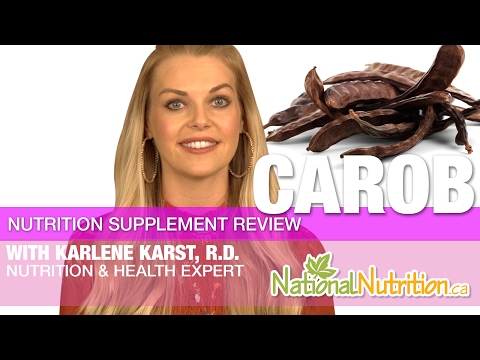
Carob comes from the pod of the carob tree, which is native to Mediterranean regions. The pods are dried and ground into a powder that resembles cocoa. It has a sweet, earthy flavor that some people enjoy! You might find carob in powders, chips, or even bars.
The Perks of Carob
- Low in Fat: Unlike chocolate, carob is naturally low in fat. This means you can enjoy a sweet treat without worrying too much about those extra calories.
- No Caffeine: If you’re sensitive to caffeine or trying to cut back, carob is caffeine-free. That makes it a nice alternative for people who get jitters from chocolate.
- High Fiber: Carob contains soluble fiber, which can help with digestion and keep you feeling full longer. It’s like giving your gut an extra little boost!
- Nutrient-Rich: It holds some minerals like calcium and potassium—important for bone health and proper muscle function.
- Lower Sugar Content: Many carob products are lower in sugar compared to their chocolate counterparts, depending on how they’re produced.
The Pitfalls of Carob
- Taste Preference: Not everyone likes the flavor of carob—it’s definitely not a one-for-one swap with chocolate! Some say it tastes more like honey or malt than rich cocoa.
- Additives: Always check ingredient lists. Some prepared carob products can have added sugars or preservatives that might offset their health benefits.
- Bloating:
- Lack of Research:
- Lack of Research:
A Balanced Perspective
The thing is, incorporating carob into your diet could add variety and nutrition—but it shouldn’t replace other nutrient-dense foods like fruits and whole grains. A balanced approach always wins out!
If you’re curious about its benefits for yourself, consider trying different forms—maybe start with some powder in your smoothie or bake a batch of cookies using carob chips instead of regular ones. Just remember moderation matters!
You know? Anytime you try something new— whether it’s food or lifestyle changes—listening to your body is key! What works wonders for one person might not be ideal for another.
Unlock the Hidden Wonders of Carob for Your Skin
What is Carob?
Carob comes from the pods of the carob tree, native to the Mediterranean. It’s often used as a chocolate substitute. You might find it in powder form or as chips. It has a naturally sweet taste, which makes it popular in many health foods.
Why Should You Consider Carob for Your Skin?
Carob is packed with nutrients—like vitamins and antioxidants—that could be beneficial for your skin. Antioxidants help protect your cells from damage caused by free radicals, which are unstable molecules that can age your skin.
1. Hydration
Carob contains polysaccharides, making it great for keeping moisture in your skin. Think of polysaccharides like tiny sponges that help absorb water. Keeping your skin hydrated is key to maintaining its softness and elasticity.
2. Anti-Inflammatory Properties
If you struggle with inflammation or irritated skin, carob might help soothe things down a bit. Its natural compounds can reduce redness and irritation—kind of like putting cool aloe vera on a sunburn.
3. Rich in Antioxidants
The high levels of antioxidants in carob help to fight off environmental stressors like pollution and UV rays. It’s like having an invisible shield protecting your skin from daily damage.
4. Skin Healing
Anecdotal evidence suggests that carob can assist with healing minor cuts or blemishes due to its nutrient content, especially if included in skincare products or diets.
5. Natural Exfoliation
You might be surprised to know that carob’s fiber content can also act as a gentle exfoliant when used topically! This helps slough away dead skin cells without harsh scrubs that can irritate sensitive areas.
How Can You Use Carob?
- Add carob powder to smoothies or oatmeal.
- Create DIY face masks using carob mixed with yogurt or honey.
- Select skincare products that contain carob extract.
A Few Considerations
While incorporating carob into your routine seems appealing, it’s important to remember that everyone’s skin is different. What works for one person may not work for another, so try patch testing any new products first!
If you’re looking into using supplements or concentrated forms of any ingredient—including carob—it’s wise to consult someone who knows their stuff about nutrition and skincare before diving in headfirst.
A Final Thought
The idea behind using natural ingredients like carob is connecting back with nature’s offerings while being gentle on our bodies—both inside and out! And who knows? You might just find another favorite beauty secret hidden away in those little pods!
Uncovering the Hidden Impacts of Carob on Your Health
Understanding Carob
Carob is often seen as a chocolate substitute, but there’s more to it than that. It’s made from the dried pods of the carob tree, which belong to the legume family. This means it’s related to peanuts and soybeans. The pods are ground into a powder or made into chips, which can be used in various recipes.
Health Benefits of Carob
Many people are curious about how carob can impact health. First of all, it’s naturally sweet and contains no caffeine, making it a good option for those looking to cut down on stimulants. But let’s look at some key benefits.
- High in Fiber: Carob is packed with dietary fiber. This helps with digestion, keeping your gut happy and regular.
- Rich in Antioxidants: It contains powerful antioxidants that help combat oxidative stress in the body. Think of oxidative stress like rust forming on metal—antioxidants prevent that “rusting” process inside us.
- Nutrient-Dense: Carob provides essential vitamins and minerals such as calcium and potassium, which are important for bone health and muscle function.
- No Theobromine: Unlike chocolate, carob doesn’t have the compound called theobromine, which can affect some individuals negatively. So if you’re sensitive to chocolate, carob might be a friendlier option.
- Lowers Cholesterol: Some studies suggest that eating carob may help reduce cholesterol levels due to its soluble fiber content.
The Role of Nutrition
You know? Nutrition plays a huge role in our overall health. Many people want quick fixes but forget about the everyday choices they make. Adding something like carob into your diet could be part of a broader strategy—like eating whole grains and fresh fruits!
Cautions When Using Carob
While there are many potential benefits, it’s worth noting that moderation is key! Too much carob can lead to digestive upset because of its high fiber content. Remember not everyone reacts the same way; some folks may experience gas or bloating.
A Final Thought on Carob
If you’re considering adding carob into your meals or snacks, think about how you feel when you eat it! Like any food item, it’s all about listening to your body’s responses over time—after all our bodies react differently to different foods!
The thing is, while exploring new foods like carob can feel exciting—and maybe even delicious—it should complement an overall healthy lifestyle rather than replace any essential nutrients you might need from other sources!
The article on the five health benefits of carob offers an interesting insight into this lesser-known food. Carob, often used as a chocolate substitute, is gaining attention for its nutritional properties.
Carob is rich in fiber, which can support digestive health. Its high antioxidant content helps combat free radicals, potentially reducing the risk of chronic diseases. This is pretty cool considering how many people look for natural ways to boost their health.
Additionally, carob is lower in fat than cocoa and contains no caffeine. This makes it a good alternative for those sensitive to caffeine or looking to reduce their fat intake.
The article also mentions carob’s potential to help manage blood sugar levels. This can be particularly beneficial for people with diabetes or those trying to maintain stable energy levels throughout the day.
While it’s essential to highlight these benefits, it’s equally important to remind readers that individual results can vary. Incorporating carob should be part of a balanced diet rather than a miracle solution.
Overall, the piece effectively educates readers about carob while encouraging them to consider their dietary choices thoughtfully. In a world filled with dietary trends, providing evidence-based information like this is refreshing and necessary.