The information provided in this article is intended solely for general informational and educational purposes. It does not constitute medical advice, diagnosis or professional treatment, and should not be considered a substitute for consultation with a qualified doctor or other licensed healthcare professional. Any health-related decisions should be made in consultation with accredited medical professionals.
While efforts have been made to ensure the information is accurate and up to date, no guarantees are given—either express or implied—regarding its accuracy, completeness, currency or suitability. Use of this information is at your own discretion.
It is strongly recommended to consult official sources such as the NHS (National Health Service) or other recognised medical institutions before acting on any information contained on this website or article. Under no circumstances should professional medical advice be ignored or delayed due to content read here.
This content is of a general and informational nature only. It is not intended to replace individualised guidance from a healthcare professional or to establish any doctor-patient relationship. The publication of this information does not imply any professional responsibility, guarantee or obligation on the part of the author or this site.
Do Essential Oils Expire? Shelf Life and Health Tips to Extend
Have you ever wondered if those lovely essential oils in your cabinet actually go bad? You’re not alone! Many people use essential oils for relaxation, mood lifting, or even minor health issues. But what happens when they sit around for too long? Do they lose their zing?
The thing is, essential oils do have a shelf life. It’s surprising to think that these natural extracts can change over time. This article dives into how long you can expect your favorite oils to last and offers some handy tips to extend their life. You wouldn’t want to throw away good stuff or risk using something that’s lost its potency, right?
We’ll discuss what factors affect the shelf life of essential oils and share practical storage tips. Keep in mind this is just informational content; it doesn’t replace medical advice. Always consult a healthcare professional for health decisions! Let’s explore together how to keep your essential oils fresh and effective.
Unveiling the Surprising Effects and Risks of Using Outdated Aromas
Do Essential Oils Expire?
Essential oils are popular for their soothing scents and potential benefits. But, do they really expire? The answer is yes, essential oils can go bad. They can lose their potency over time, which means the aroma might not be what it once was.
A lot depends on the type of oil and how it’s stored. For instance, citrus oils tend to have a shorter shelf life compared to heavier oils like sandalwood. Typically, most essential oils last between 1 and 3 years.
Shelf Life Factors
Several factors influence how long an essential oil lasts. Light, heat, and air can all cause degradation. Imagine a slice of apple left out in the open; just like that apple turns brown, your oils can change too.
- Storage: Keeping them in dark bottles away from sunlight helps.
- Temperature: A cool place is ideal; heat speeds up spoilage.
- Airtight seals: Make sure caps are tightly closed after use to limit exposure to air.
The Risks of Using Expired Oils
You might wonder what happens if you use an expired essential oil. First off, the scent may be weak or completely off—sort of like using old spices in cooking!
More importantly, while most expired oils won’t harm you directly, they could irritate your skin or cause allergic reactions. Think about it: would you want to apply something that’s past its prime?
Signs Your Essential Oil Has Gone Bad
If you’re unsure about an oil’s condition, here are some signs to look for:
- Scent change: If it smells different than when you bought it.
- Color change: A shift in color could indicate spoilage.
- Viscosity changes: If it feels thicker or more watery than before.
Tips for Extending Shelf Life
You don’t need complicated methods to keep your essential oils fresh! Here are some simple strategies to try:
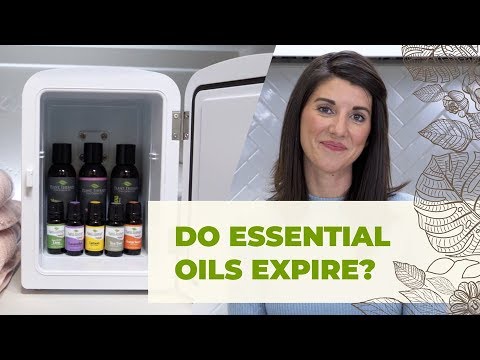
- Keeps them cool: Store them in a drawer or cupboard instead of on a sunny windowsill.
- Avoid frequent opening: Every time you open the bottle, air gets in—try to minimize this!
If You’re Unsure
If you’re ever doubtful about using an essential oil that’s been sitting around for ages, trust your instincts. It’s better to be safe than sorry! You might think you’re saving cash by using old products but investing in fresh essentials is often worth it.
This isn’t meant as a replacement for professional advice or recommendations—just some friendly hints based on common knowledge! So next time you’re reaching for that vintage bottle of lavender oil remember these tips and keep those aromas fresh.
Discover How Long Your Favorite Essential Oils Stay Fresh and Potent
Do Essential Oils Expire?
This is a common question folks have and it’s a good one. Essential oils don’t exactly have an “expiration date” like food. Instead, they have a shelf life which can vary based on several factors. These include the oil type, how they’re stored, and if they’ve been diluted.
Shelf Life of Essential Oils
Most essential oils can last anywhere from 1 to 8 years. For instance, citrus oils like lemon or orange might last about 1 to 2 years due to their composition. On the other hand, oils like patchouli or cedarwood can stay potent for 5 to 10 years.
What Affects Shelf Life?
- Storage Conditions: Heat and light can degrade essential oils quickly. Keeping them in a cool, dark place is best.
- Bottling: Dark glass bottles provide better protection from light compared to clear ones.
- Purity: Synthetic additives in some essential oils may shorten their shelf life.
Signs Your Oil Has Expired
If your essential oil smells off or has changed in color, these could be signs that it’s gone bad. A strange texture or separation (like cloudy bits) isn’t ideal either. It’s kind of like when you notice your milk starting to sour; trust your nose!
Health Tips for Extending Shelf Life
- Avoid Contamination: Always use clean droppers or pipettes when handling your oils.
- Tightly Seal the Cap: Always make sure the lid is tightly closed after use; this keeps out air.
- Dilute When Necessary: If you’re mixing with carriers, do it only when you plan on using them right away.
The Bottom Line
A little care goes a long way in keeping your essential oils fresh and potent! Remember the storage tips and keep an eye (and nose) on any changes over time. And while it’s good to use them within their shelf life, don’t stress too much—most will last longer than you’d expect! Just think of them as part of your personal wellness toolkit that needs some love too!
Discover the Truth About Using Expired Essential Oils for a Safer, Soothing Experience
Do Essential Oils Expire?
Essential oils are often praised for their scents and potential benefits. But, hey, do they actually expire? The answer is a bit complicated. While essential oils don’t spoil like food, they do degrade over time. Their potency can lessen, and their scent can change.
Most essential oils have a shelf life of about 1 to 3 years, but this can vary widely. Factors like storage conditions—light, heat, and air exposure—play a big role in how long they last. For example, citrus oils tend to have shorter lifespans compared to oils like patchouli or sandalwood.
What Happens When Oils Expire?
When essential oils age beyond their prime, they may lose their aromatic qualities. Sometimes, the chemistry of the oil changes too. This might result in an unpleasant smell or even irritation when applied to the skin.
Imagine leaving milk out for too long; it doesn’t just taste bad but might also upset your stomach. Similarly, expired essential oils could lead to skin reactions if used.
Shelf Life and How to Extend It
You might wonder how you can make your essential oils last longer. Start by storing them in a cool, dark place away from sunlight and heat sources. Keeping them tightly sealed helps minimize air exposure—which is key! Glass bottles are preferred over plastic since they protect against chemical reactions.
If you’re unsure whether an oil has gone bad, give it a sniff test! If it smells off or different than expected—best to throw it out.
Using Expired Essential Oils
This brings us back to using expired essential oils. While some people still use them without noticeable issues, it’s not recommended due to possible reduced effectiveness or skin irritation risks.
You know how old perfume sometimes smells different? The same idea applies here—you wouldn’t want that on your skin!
If You’re Unsure
If there’s ever any doubt about an oil’s safety or quality after its shelf life has passed—just think twice before using it. Always prioritize your safety and comfort when experimenting with these products.
- Check for discoloration or separation in the oil.
- A void using oil past its shelf life on sensitive areas like your face.
- C onsider patch testing: apply a small amount on your skin first!
The Bottom Line
So here’s the thing: while essential oils do degrade over time and don’t exactly go “bad,” it’s wise approach them with caution as their expiration date passes by. Choosing fresh, high-quality products helps ensure you get the desired benefits without unwanted surprises!
Do Essential Oils Expire? Shelf Life and Health Tips to Extend
Essential oils have gained popularity for their numerous uses, from aromatherapy to natural cleaning. But, like many products, they do have a shelf life. The question of whether essential oils expire isn’t straightforward; it depends on various factors including the type of oil, how it’s stored, and its quality.
Generally speaking, essential oils don’t come with a strict expiration date but instead can degrade over time. Most oils last between 1-3 years, though some can last longer if cared for well. For instance, citrus oils often have a shorter lifespan while oils like patchouli can last up to five years or more.
The way you store your essential oils matters greatly. Keeping them in dark glass bottles away from heat and sunlight is key. Why? Light and heat can break down the compounds that give the oil its potency. If you notice a change in color or smell—like it becoming more yellow or rancid—this could be a sign that it’s gone bad.
To extend their shelf life: always close the cap tightly after use; avoid dipping fingers into the bottle; and keep them in a cool place. These small habits make a difference over time.
You might wonder if using expired essential oils is dangerous. Generally, they are not harmful but may not provide the benefits you expect; they might even irritate skin depending on how decomposed they are.
In short, being mindful about storage and recognizing signs of deterioration can help you get the most out of your essential oil collection. By treating these natural treasures with care, you’ll ensure their effectiveness lasts as long as possible.