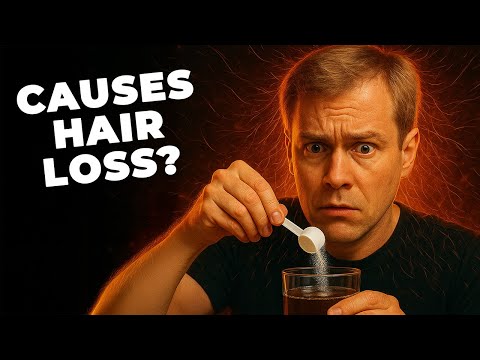
Have you ever heard that taking creatine might lead to hair loss? This topic often sparks curiosity and concern among fitness enthusiasts and those considering creatine supplementation. After all, many of us want to enhance our performance while maintaining our appearance. But how much truth is there to the idea that creatine could impact our hair?
In this article, we’ll dive into the evidence surrounding this claim. We’ll explore what creatine is, how it works in the body, and why some people believe it may be linked to hair loss. By separating fact from fiction, you’ll gain a clearer understanding of this popular supplement.
However, it’s essential to approach such claims with caution. The relationship between supplements like creatine and health outcomes can vary greatly from person to person. Always seek information from various specialists and reliable sources before making health-related decisions. Balancing your curiosity with informed choices can empower you in your wellness journey!
The information provided in this article is intended solely for general informational and educational purposes. It does not constitute medical advice, diagnosis or professional treatment, and should not be considered a substitute for consultation with a qualified doctor or other licensed healthcare professional. Any health-related decisions should be made in consultation with accredited medical professionals.
While efforts have been made to ensure the information is accurate and up to date, no guarantees are given—either express or implied—regarding its accuracy, completeness, currency or suitability. Use of this information is at your own discretion.
It is strongly recommended to consult official sources such as the NHS (National Health Service) or other recognised medical institutions before acting on any information contained on this website or article. Under no circumstances should professional medical advice be ignored or delayed due to content read here.
This content is of a general and informational nature only. It is not intended to replace individualised guidance from a healthcare professional or to establish any doctor-patient relationship. The publication of this information does not imply any professional responsibility, guarantee or obligation on the part of the author or this site.
Exploring the Myths and Realities of Creatine’s Impact on Hair Health
Creatine is a popular supplement among athletes and fitness enthusiasts. As with many substances, though, myths can emerge—particularly regarding its effects on hair health.
One common myth is that creatine causes hair loss. This belief likely comes from its potential to increase dihydrotestosterone (DHT), a hormone linked to hair thinning in some individuals.
However, the actual evidence is quite limited. Most studies focus on creatine’s effects on muscle performance rather than its impact on hair. The most cited research involved rugby players and noted an increase in DHT levels after creatine use. But it did not directly link this rise to hair loss.
It’s essential to understand how DHT works. DHT is derived from testosterone and can contribute to male-pattern baldness in those genetically predisposed to it. Just because someone takes creatine does not mean they will experience negative effects on their hair—especially if they have no family history of hair loss.
Here are some key points about creatine and hair health:
Moreover, many people use creatine without experiencing any change in their hair. The relationship between creatine and hormone levels requires more research for definitive answers.
It’s always wise to consult with healthcare professionals before starting any supplement regimen, particularly if you have concerns about the side effects.
In conclusion, while there are theories connecting creatine to hair loss through hormonal changes, substantial evidence is lacking. The conversation around supplementation should be nuanced and informed by science rather than myth alone.
Exploring the Link Between Creatine and Hair Health
Creatine is a well-known supplement, often used to improve athletic performance. It’s a compound found naturally in the body and in certain foods, like meat and fish. But there’s been some buzz about whether creatine might be linked to hair health, particularly hair loss.
Let’s break it down into simpler terms. Creatine plays a role in energy production, mostly helping muscles during high-intensity exercise. Some people wonder if it affects hormones related to hair growth.
One hormone that often comes up is dihydrotestosterone (DHT). DHT is linked to hair loss, especially in those genetically predisposed to conditions like male or female pattern baldness. Some studies suggest that creatine might increase DHT levels in some individuals.
However, the evidence isn’t strong or clear-cut yet. Most research surrounding creatine’s impact on DHT and hair health is limited or hasn’t focused directly on this issue.
To summarize: there’s currently no definitive proof showing that creatine supplementation leads to hair loss for everyone. Individual responses can vary greatly based on genetics and other factors.
If you’re considering taking creatine and are concerned about your hair health, here are some points to keep in mind:
As always, it’s important to approach supplements thoughtfully and consider all factors involved in your health decisions. Keep informed by reviewing credible sources and seeking balanced information. Remember, what works for one person may not work for another!
Exploring the Link Between Creatine and Hormone Levels
Creatine is often talked about in relation to fitness and strength training. It’s a substance found naturally in our muscles and also available as a supplement. While many people use it without issues, questions have arisen about its effects on hormone levels, particularly concerning hair loss.
First, let’s clarify what creatine does. It helps produce energy during short bursts of intense activity. Think of it like a battery that charges your muscles for quick, powerful actions.
Now to the crucial question: Does creatine affect hormone levels? Some studies suggest that creatine might influence different hormones, including testosterone. However, evidence is mixed.
Key points to consider:
When it comes to hair loss, many people worry about creatine speeding up this process. Research doesn’t strongly support this idea either. One small study found no direct link between creatine use and increased hair loss.
It’s important to note that hair loss can be influenced by various factors such as genetics, age, and hormonal changes. These variables often play a larger role than supplements like creatine.
Common myths about creatine:
Always consider that everyone’s body responds differently. If you notice changes while taking any supplement—whether it’s creatine or something else—it’s smart to consult with someone who can give personalized advice.
In summary, while there are some discussions about the relationship between creatine and hormones like testosterone or hair loss, the current science isn’t definitive. Staying informed helps you make choices that work best for your health journey!
The question of whether creatine supplementation leads to hair loss often surfaces in fitness and health discussions. Many individuals, particularly those engaged in strength training, use creatine to enhance performance and muscle growth. However, concerns about its potential side effects, such as hair loss, can deter some from using it.
Research on this topic is limited but illuminating. The primary theory linking creatine to hair loss involves dihydrotestosterone (DHT), a hormone linked to male pattern baldness. Some studies suggest that creatine may increase DHT levels, leading people to speculate about its role in accelerating hair loss. However, the evidence is not definitive; most of the research has focused on small sample sizes or specific populations.
It’s crucial to approach this topic with a critical eye. Correlation does not imply causation. Just because some users report hair thinning while using creatine does not mean it’s the direct cause for everyone. Individual factors like genetics play a significant role in hair loss.
In conclusion, while there is some evidence suggesting a possible connection between creatine and increased DHT levels, more extensive research is needed before making any concrete claims about causation and risk of hair loss. For those concerned about this issue, discussing personal health and family history with a healthcare professional can provide tailored advice. Always think critically about supplements and prioritize well-rounded nutrition and lifestyle choices for optimal health outcomes.