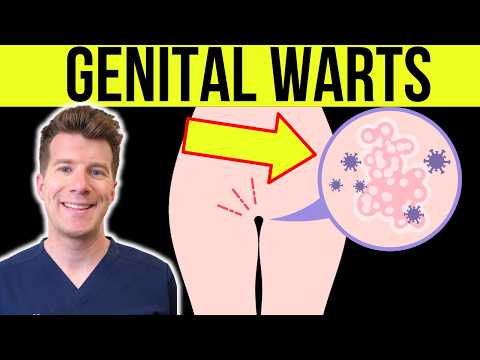
Genital warts and human papillomavirus (HPV) can sound daunting, but understanding them is the first step toward effective management. Imagine a puzzle where each piece represents a different aspect of your health. By putting these pieces together, you empower yourself to make informed decisions about your wellbeing.
Genital warts are small growths that appear in the genital area, caused by certain types of HPV. This virus is quite common; in fact, most sexually active people will contract it at some point. The good news? Many people never experience symptoms and may not even know they have it.
Effective solutions exist for managing both genital warts and HPV. Treatments range from topical medications to professional procedures targeting the warts themselves. But it’s essential to remember that while these treatments can remove warts, they do not cure HPV—it often remains dormant in your body.
However, caution is crucial. The internet is full of information, but not all of it is accurate or safe. It’s vital to consult with healthcare professionals who can provide tailored advice and evidence-based treatments. Always seek information from trusted sources and consider multiple perspectives before making decisions about your health.
By staying curious and informed, you’re already taking a significant step toward better understanding genital warts and HPV treatment options.
The information provided in this article is intended solely for general informational and educational purposes. It does not constitute medical advice, diagnosis or professional treatment, and should not be considered a substitute for consultation with a qualified doctor or other licensed healthcare professional. Any health-related decisions should be made in consultation with accredited medical professionals.
While efforts have been made to ensure the information is accurate and up to date, no guarantees are given—either express or implied—regarding its accuracy, completeness, currency or suitability. Use of this information is at your own discretion.
It is strongly recommended to consult official sources such as the NHS (National Health Service) or other recognised medical institutions before acting on any information contained on this website or article. Under no circumstances should professional medical advice be ignored or delayed due to content read here.
This content is of a general and informational nature only. It is not intended to replace individualised guidance from a healthcare professional or to establish any doctor-patient relationship. The publication of this information does not imply any professional responsibility, guarantee or obligation on the part of the author or this site.
Discovering the Most Effective Solutions for Managing Genital Warts
Genital warts are caused by certain types of the human papillomavirus (HPV). They appear as small, flesh-colored or grey swellings, often in clusters. While they may be uncomfortable or distressing, understanding your options can help manage them.
First steps involve consulting a healthcare provider. They can confirm the diagnosis and discuss treatment options. Remember, there’s no one-size-fits-all solution.
Here are some common treatments for genital warts:
It’s important to note that while these treatments can help remove visible warts, they don’t eliminate the virus from your body.
You may also hear about vaccines that protect against some strains of HPV. The HPV vaccine is mainly preventive and not a cure for existing infections but can reduce the risk of developing new genital warts or related cancers in the future.
Educating yourself about HPV is crucial too. Many people carry HPV without any symptoms and might not even know it. This means that open conversations with partners about sexual health are important for everyone’s well-being.
Misinformation surrounds genital warts and HPV, so it’s vital to rely on credible sources. Myths like “you can’t get HPV from oral sex” are not true; many routes of transmission exist.
If diagnosed with genital warts, maintaining open communication with your partner is essential for mutual support and understanding.
Managing genital warts can feel overwhelming at first, but knowing your options provides empowerment and clarity on how to move forward responsibly in your sexual health journey.
Discover Effective Solutions for Eliminating HPV Genital Warts
Human Papillomavirus (HPV) is a common virus, with many strains. Some strains can lead to genital warts, which can be uncomfortable and distressing. Understanding how to manage this condition is important.
Genital warts appear as small bumps on the genitals. They can vary in size and may be single or multiple. It’s essential to recognize these symptoms early for effective management.
Here are some solutions that might help with genital warts:
It’s important to note that while these treatments address the symptoms (the warts), they do not eliminate the virus itself from your body.
Practicing safer sex is also crucial in managing HPV transmission. Condoms may reduce risk but do not provide complete protection since HPV can affect areas not covered by condoms.
Education on HPV is vital as it helps dispel myths about transmission and treatment. For instance, HPV is very common, and many sexually active people will encounter it at some point in their lives.
If you have concerns about genital warts or HPV, reach out for guidance from a reliable source or health professional who can offer personalized advice based on your situation.
Remember, knowledge is power when it comes to sexual health!
Discover quick and effective solutions for eliminating genital warts.
Genital warts are a common condition caused by certain types of the human papillomavirus (HPV). They often appear as small, flesh-colored or gray growths in the genital area. Although they are usually harmless, many seek ways to remove them for comfort and cosmetic reasons.
There are several treatments available. It’s important to note that these methods can help manage warts but won’t necessarily eliminate the virus itself from your body.
Topical treatments are often prescribed. These include products like imiquimod or podofilox, which you apply directly to the warts. They work by stimulating your immune system or destroying wart tissue.
Another option is cryotherapy, where a healthcare provider freezes the warts using liquid nitrogen. This causes the wart tissue to die off and eventually fall away.
Laser therapy is also an option for treating larger or stubborn warts. This method uses concentrated light to target and destroy wart tissue.
In some cases, surgery might be recommended. A healthcare provider can cut away the warts, especially if they cause discomfort or don’t respond to other treatments.
It’s crucial to understand that while these treatments can remove visible warts, they do not cure HPV. The virus may remain in your body, potentially leading to new outbreaks later on.
Many people believe that genital warts will go away on their own over time. While this can happen with some individuals, it’s not guaranteed and may take months or even years.
Maintaining good sexual health practices is essential. Using condoms can reduce transmission risk but won’t completely prevent it since HPV can be present on areas not covered by a condom.
If you suspect you have genital warts or experience unusual symptoms in your genital area, it’s wise to consult with a healthcare professional for personalized advice and treatment options.
Remember that having HPV is quite common—many people carry it without knowing due to its often-asymptomatic nature. Being informed helps everyone make better decisions regarding their health and relationships.
Genital warts and human papillomavirus (HPV) infection remain prevalent public health concerns. Addressing these conditions requires a well-rounded understanding of their nature, treatment options, and preventive measures.
Firstly, genital warts are caused by certain strains of HPV. While the presence of these warts can be distressing, it’s important to note that not all HPV strains lead to visible symptoms. This can make awareness and prevention challenging.
Treatment options for genital warts primarily aim to remove the warts themselves rather than eliminate the virus from the body. Common treatments include prescription medications, cryotherapy (freezing off the warts), and surgical removal. Each method has its pros and cons; for example, some may cause discomfort while others may require follow-up sessions.
Preventive measures are crucial in reducing HPV transmission. The HPV vaccine is highly effective and recommended for preteens but can benefit individuals up to age 45. Regular screenings for cervical cancer in women can also detect changes before they become serious problems.
Understanding that many individuals will encounter HPV at some point is vital in reducing stigma. Awareness campaigns should focus on education so individuals recognize symptoms early and seek help without fear.
Ultimately, a multifaceted approach—including education, vaccination, regular check-ups, and open conversations—can empower individuals to make informed decisions regarding their sexual health while navigating the complexities of HPV effectively.