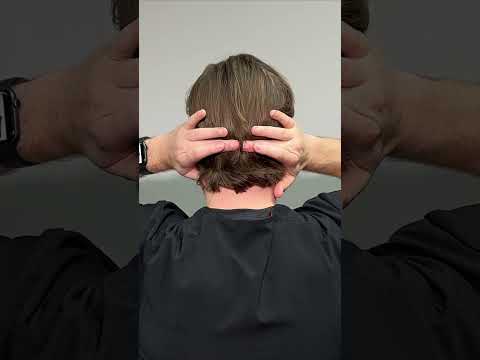
Tinnitus is a condition where you hear ringing, buzzing, or other noises in your ears without an external sound source. It can be annoying and distracting, sometimes making it hard to concentrate or sleep. If you’ve ever experienced a persistent noise in your ears, you’re not alone. Millions of people deal with tinnitus every day, and finding effective strategies for treatment and diagnosis can make a world of difference.
Imagine your brain as a radio. Sometimes, it picks up static when it should be playing music. Tinnitus is like that static—a signal that’s not quite right. Understanding and addressing the underlying causes is crucial for managing this condition effectively.
Effective strategies include identifying triggers, exploring sound therapy options, and considering lifestyle changes like reducing stress or modifying your diet. Each person’s experience with tinnitus is unique; thus, personalized approaches often yield the best results.
However, it’s essential to approach treatments with caution. Not all remedies work for everyone, and some might even do more harm than good. Always consult multiple specialists—like audiologists or ear-nose-throat (ENT) doctors—and seek information from credible sources before deciding on a treatment plan.
Your health decisions should be informed by broad research and diverse perspectives to ensure what works best for you! Always remain curious but also skeptical; understanding tinnitus fully may take time and patience.
The information provided in this article is intended solely for general informational and educational purposes. It does not constitute medical advice, diagnosis or professional treatment, and should not be considered a substitute for consultation with a qualified doctor or other licensed healthcare professional. Any health-related decisions should be made in consultation with accredited medical professionals.
While efforts have been made to ensure the information is accurate and up to date, no guarantees are given—either express or implied—regarding its accuracy, completeness, currency or suitability. Use of this information is at your own discretion.
It is strongly recommended to consult official sources such as the NHS (National Health Service) or other recognised medical institutions before acting on any information contained on this website or article. Under no circumstances should professional medical advice be ignored or delayed due to content read here.
This content is of a general and informational nature only. It is not intended to replace individualised guidance from a healthcare professional or to establish any doctor-patient relationship. The publication of this information does not imply any professional responsibility, guarantee or obligation on the part of the author or this site.
Discover the Best Ways to Find Relief from Constant Ringing in Your Ears
Constant ringing in the ears is known as tinnitus. Many people experience this annoying sound, which can vary in intensity and pitch. It might be a high-pitched whistle or a low hum.
Tinnitus can stem from various causes. Some common triggers include exposure to loud noises, ear infections, or even certain medications. Understanding what may be causing your tinnitus is a key first step.
Managing tinnitus often requires a multi-faceted approach. Here are some effective strategies you might consider:
It’s important to note that there’s no one-size-fits-all solution for tinnitus relief. What works for one person may not work for another.
Additionally, if you notice sudden changes in your tinnitus or new symptoms, seeking professional advice is crucial. They can guide you on proper diagnosis and tailor treatment options based on your specific situation.
Stay informed about your condition by researching reliable sources. Engaging with support groups can also provide comfort and insights from others who experience similar challenges.
In conclusion, while living with constant ringing in the ears can be frustrating, there are ways to find relief. By exploring different strategies and staying proactive about your health, you can better manage this condition over time.
A Comprehensive Guide to Understanding the Causes and Solutions for Ringing in the Ears
Ringing in the ears, known as tinnitus, can be quite bothersome. It’s not a disease but a symptom of various underlying issues. Understanding its causes and potential solutions can help.
Causes of Tinnitus
Tinnitus can stem from many sources. Common causes include:
It’s important to remember that everyone’s experience with tinnitus is different. Some may hear a constant ringing, while others might perceive buzzing or hissing sounds.
Possible Solutions
Managing tinnitus usually depends on understanding its cause. Here are some common approaches:
Over-the-counter sound machines or apps that produce white noise may also provide relief. They mask the ringing sounds and make them less noticeable.
Lifestyle Changes
Making certain lifestyle adjustments can also ease symptoms:
The Importance of Professional Help
If you experience persistent ringing in your ears, consulting a healthcare provider is crucial. They can diagnose any underlying conditions through exams and tests.
A professional might refer you to an audiologist for hearing assessments or suggest strategies tailored to your needs.
Remember that while there’s no one-size-fits-all solution for tinnitus, understanding its potential causes and treatments is a step toward finding relief. It’s important to be patient as you explore options.
Discover practical strategies to find relief and regain your peace of mind.
Tinnitus can be a frustrating experience for many people. It often feels like a constant ringing or buzzing in the ears, which can be distracting and distressing. Finding ways to manage it can help you regain some peace of mind.
First, it’s important to understand what tinnitus is. Think of it like a TV with static—no matter how you adjust the volume or channel, that annoying noise persists. Tinnitus doesn’t always signal something serious but learning to cope with it is key.
Here are some practical strategies that might help:
Education also plays a vital role in coping with tinnitus. Knowing that many people experience this condition can provide comfort. It’s not as uncommon as you may think.
Staying active is essential too! Regular physical activity improves overall well-being and reduces anxiety, potentially diminishing the impact of tinnitus.
Finally, connecting with support groups can provide validation. Sharing experiences with others who understand your struggles creates a sense of community.
In conclusion, managing tinnitus involves both physical and mental strategies. There’s no one-size-fits-all approach; what works for one person might not work for another. Explore different methods calmly and find what suits you best.
Always remember to consult professionals for personalized advice tailored to your individual needs and circumstances. Make informed decisions about your health journey!
Tinnitus, often described as a ringing or buzzing in the ears, can be a complex condition to diagnose and treat. It affects millions of people worldwide, yet the experience is highly individual. Understanding effective strategies for its treatment and diagnosis is crucial to improve patients’ quality of life.
Comprehensive Evaluation: Diagnosing tinnitus typically begins with a thorough evaluation. This means not just hearing tests but also taking into account medical history and possible psychological factors. In some cases, identifying underlying issues such as earwax buildup or exposure to loud noises can lead to significant improvements.
Multi-Modal Treatment Approaches: There’s no one-size-fits-all solution for tinnitus. Effective strategies often combine different methods. These may include sound therapy, cognitive behavioral therapy (CBT), and mindfulness practices. Sound therapy can help mask the noise while CBT addresses the emotional responses associated with tinnitus.
Patient Education: Educating patients about their condition is vital. Many individuals believe that tinnitus indicates serious health issues, leading to unnecessary anxiety. Providing clear information helps demystify the condition and encourages informed decisions regarding treatment options.
Regular Follow-Up: Tinnitus is often dynamic; symptoms can change over time. Regular follow-up assessments allow for adjustments in treatment plans based on how a patient responds over time.
In conclusion, effective strategies for tinnitus treatment must focus on personalized care that incorporates comprehensive evaluation, diverse therapeutic techniques, patient education, and ongoing monitoring. By taking a holistic approach, we can support individuals in managing their symptoms more effectively and improving their overall well-being.