The information provided in this article is intended solely for general informational and educational purposes. It does not constitute medical advice, diagnosis or professional treatment, and should not be considered a substitute for consultation with a qualified doctor or other licensed healthcare professional. Any health-related decisions should be made in consultation with accredited medical professionals.
While efforts have been made to ensure the information is accurate and up to date, no guarantees are given—either express or implied—regarding its accuracy, completeness, currency or suitability. Use of this information is at your own discretion.
It is strongly recommended to consult official sources such as the NHS (National Health Service) or other recognised medical institutions before acting on any information contained on this website or article. Under no circumstances should professional medical advice be ignored or delayed due to content read here.
This content is of a general and informational nature only. It is not intended to replace individualised guidance from a healthcare professional or to establish any doctor-patient relationship. The publication of this information does not imply any professional responsibility, guarantee or obligation on the part of the author or this site.
Ever bitten into something crunchy and felt a shocking pain? It’s scary, right? Chipped or broken teeth can happen to anyone, whether from a fall, an accident, or even just biting down too hard. It can feel like more than just a dental issue; it’s about your confidence and comfort.
The good news is that you don’t have to live with a broken tooth. There are effective treatments available that can help restore not just the function of your teeth but also your smile. This article dives into those options—everything from dental bonding to crowns and beyond.
Understanding these treatments matters because you want to make informed choices about your dental health. Plus, knowing what’s possible can help ease any anxiety you might be feeling. Remember, though—this content isn’t a substitute for professional advice. Health decisions should never hinge solely on what you read online. Always consult with a qualified healthcare professional for tailored guidance.
Simple remedies to restore your smile and boost your confidence
Understanding Chipped or Broken Teeth
Chipped or broken teeth can feel pretty distressing. You might be worried about how it looks when you smile, or if it’ll hurt. Often, these issues happen due to things like biting down on hard food or even just age. But hey, it’s really common! So, don’t stress too much.
Why It Matters
Your smile plays a big role in your confidence and social interactions. When a tooth gets chipped, you might feel less inclined to show off that grin. The good news? There are various remedies that can help repair the damage and boost your self-esteem.
At-Home Remedies
- Dental wax: If you’re feeling sharp edges from a broken tooth, dental wax can be used as a temporary fix. Just mold some over the rough area. It’s not permanent but can help ease discomfort in the meantime.
- Saltwater rinse: This classic remedy is super simple! Mixing salt in warm water and swishing it around your mouth can reduce inflammation and keep your mouth clean while you wait for professional help.
- Coconut oil pulling: This one’s trendy for a reason! Swishing coconut oil in your mouth for about 10–20 minutes might help reduce bacteria and promote oral health, which is always good after an injury.
Professional Treatments
If home remedies aren’t cutting it, it might be time to visit someone who knows teeth well—like a dentist. They have lots of options to fix chips and breaks.
- Bonding: This is where they use a special resin that matches the color of your teeth and apply it over the damaged area. It’s like putting glue on a puzzle piece!
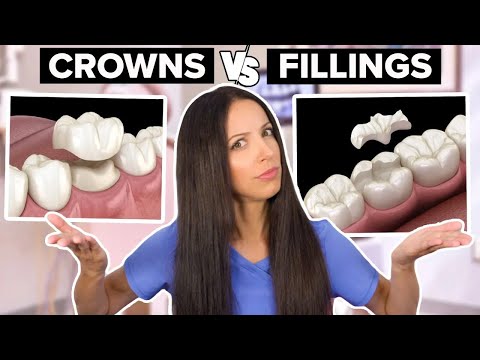
- Crowns: If the damage is significant, a crown may be placed over the tooth to restore its shape and strength. Think of it like giving your tooth a sturdy helmet!
- Veneers: For cosmetic issues related to chipped teeth, veneers are thin shells custom-made for each tooth that fit right over them.
The Emotional Side
A chipped or broken tooth isn’t just physical; it’s emotional too! Many people find themselves feeling shy about their smiles afterward. Remember that seeking treatment not only improves your smile but also helps lift spirits!
A Few Tips To Keep In Mind
- If you’re prone to chipping teeth, maybe think twice before biting nails or hard candies.
- If you play sports often, wearing a mouthguard could save your smile from future accidents.
- The impact of stress shouldn’t be ignored—sometimes we grind our teeth when stressed out which leads to breakage!
No matter what happened with your tooth, there are many ways forward towards smiling again with confidence! Just remember—professional guidance is key when dealing with anything serious regarding dental health.
Simple Remedies for Healing Your Smile at Home
Hey, let’s chat about some home remedies for those little dental mishaps, like chipped or broken teeth. It’s something many of us go through, right? You just bite down on something hard or take a tumble, and suddenly your smile is not looking its best. So what can you do about it at home while waiting for a dentist appointment?
1. Rinse with Salt Water
A saltwater rinse can be a soothing way to keep things clean. Just mix a teaspoon of salt in warm water and swish it around your mouth for about 30 seconds. It helps reduce inflammation and can keep the area around the chip less irritated.
2. Use Cold Compresses
If there’s swelling or pain, applying a cold compress to the outside of your cheek might really help. Wrap some ice in a cloth or use a gel pack; just make sure not to apply it directly to your skin. This method reduces swelling and feels nice.
3. Clove Oil for Pain Relief
Clove oil has been used as a natural remedy for toothaches because it contains eugenol, which has numbing properties. Put a little clove oil on a cotton ball and apply it gently to the affected area if you’re feeling discomfort.
4. Avoid Hard Foods
You might want to steer clear of hard or crunchy foods until you see someone professional. Think soft foods like yogurt or mashed potatoes instead, so you don’t aggravate whatever is already bothering your tooth.
5. Temporary Filling with Dental Wax
If there’s an exposed area and you’re feeling really uneasy about it, dental wax (found at most drugstores) can act like a temporary filling if applied carefully. It won’t last long but can shield sensitive areas until you get treatment.
6. Herbal Remedies: Aloe Vera & Chamomile
Aloe vera gel might be soothing if applied gently around sore areas; same goes for chamomile tea bags that are cooled down after brewing—just placing them on the affected side could provide comfort.
Cautions and Considerations
No matter how comforting these remedies may feel, they’re not substitutes for professional care when you’ve got dental issues that need attention! If the pain persists or worsens, check in with your dentist soon.
Mental note: while these tips might offer temporary relief, proper dental care is key! Consistent brushing and flossing play massive roles in maintaining overall oral health too.
Your smile matters! Taking care of it should definitely be part of your self-care routine!
Surprising Causes and What to Do Next
Surprising Causes of Chipped or Broken Teeth
Chipped or broken teeth can happen for more reasons than you might think. It’s not just about biting down on hard food. You know, many people don’t realize how wear and tear can take a toll over time.
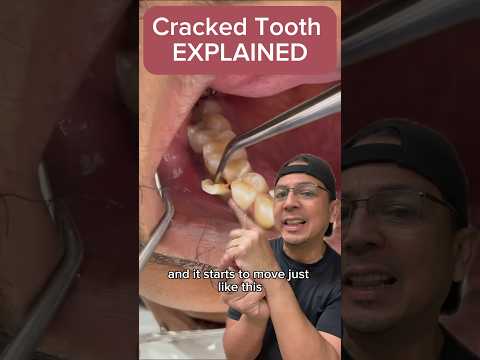
Sometimes, teeth can chip due to clenching or grinding, especially when you’re stressed. This habit, known as bruxism, can seriously weaken your enamel—the outer layer that protects your teeth.
Accidents are another surprising cause. A sudden fall while jogging or even playing sports could lead to a nasty crack in a tooth. And then there’s the issue of cavities! They can weaken a tooth’s structure making it more prone to breaking.
Diet also plays a role. Eating too much acidic food—think sour candies or citrus fruits—can erode enamel over time. So, it really matters what you snack on!
What to Do Next
If you find yourself with a chipped tooth, the first step is staying calm. Look for sharp edges that might hurt your tongue or cheeks and consider using dental wax until you see someone who is trained in dental care.
You should definitely contact your dentist as soon as possible. They’ll assess the damage and talk through options like bonding, crowns, or veneers depending on how serious the chip is.
If there’s pain involved—or if you notice swelling—you’ll want to treat that too. Over-the-counter pain relievers may help manage discomfort while waiting for an appointment.
And hey, prevention goes a long way! Consider wearing a mouthguard during sports or when you’re sleeping if you grind your teeth at night. Regular dental checkups are also key; those professionals can spot early signs of issues before they turn into bigger problems.
Final Thoughts
The thing is that knowing these surprising causes can help you be more mindful about protecting your smile. Early detection and care really do make all the difference!
Effective Treatments for Repairing Chipped or Broken Teeth
Chipped or broken teeth can happen to anyone, often due to accidents or biting hard foods. It’s more common than you might think, and the good news is that there are several effective treatments available.
First off, let’s talk about dental bonding. This is a straightforward procedure where a tooth-colored resin is applied to the affected area. Think of it like putting spackle on a wall to fix a small hole. It can restore your tooth’s shape and color effectively. Plus, it usually requires just one visit.
If the damage is more extensive, crowns might be necessary. A crown fits over the entire tooth like a cap, offering strength and protection. You know how you can put a protective cover on fragile items? That’s kinda what crowns do for your teeth.
For severe cases where there’s extensive decay or damage, root canals may be required prior to placing a crown. This treatment removes infected tissue inside the tooth while preserving its structure.
Another option is veneers, which are thin shells made of porcelain or composite resin that cover the front surface of teeth. They’re perfect when you want to enhance both appearance and strength in one go.
- Dental Bonding: Quick fix with resin.
- Crowns: Full coverage for protection.
- Root Canals: Save severely damaged teeth.
- Veneers: Cosmetic enhancement and strength.
The choice of treatment often depends on how badly your tooth is damaged. Consulting with a dentist will help you figure out what’s best for your situation. Remember, ignoring dental issues can lead to bigger problems down the road—so it’s wise not to put off visiting that dentist!