
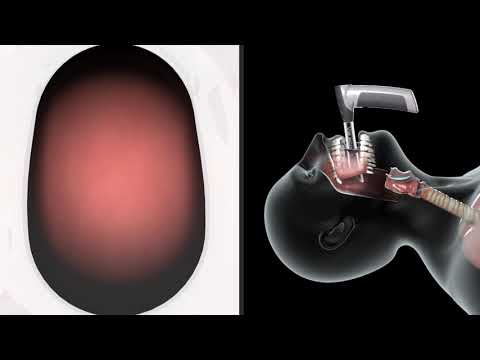
Endotracheal tubes (ETTs) are crucial tools in modern medicine, often used during surgeries or emergencies to ensure that patients can breathe. Imagine them as a sturdy bridge connecting your lungs to the outside world. When someone can’t breathe on their own—due to sedation or a medical emergency—an ETT helps deliver oxygen directly into the lungs.
These tubes serve several purposes. They not only assist with breathing but also help protect the lungs from aspiration, which is when food or liquids enter the airway. This can happen during times of unconsciousness or severe illness. However, like all medical interventions, they come with risks.
The insertion process, while routine for healthcare professionals, should not be underestimated. It involves placing the tube through the mouth and into the trachea (windpipe). Although often successful, complications can arise, such as injury to teeth or airways and infections.
It’s essential to approach this topic with curiosity but also caution. Endotracheal tubes are not something that everyone needs, and decisions around their use should involve detailed discussions with healthcare specialists who can provide personalized insights based on individual circumstances.
While information is more accessible than ever, navigating complex health topics like ETTs requires careful consideration and consultation from trusted sources—be it doctors, nurses, or reliable health media outlets. Always seek multiple viewpoints for a well-rounded understanding. Your health decisions matter; stay informed!
The information provided in this article is intended solely for general informational and educational purposes. It does not constitute medical advice, diagnosis or professional treatment, and should not be considered a substitute for consultation with a qualified doctor or other licensed healthcare professional. Any health-related decisions should be made in consultation with accredited medical professionals.
While efforts have been made to ensure the information is accurate and up to date, no guarantees are given—either express or implied—regarding its accuracy, completeness, currency or suitability. Use of this information is at your own discretion.
It is strongly recommended to consult official sources such as the NHS (National Health Service) or other recognised medical institutions before acting on any information contained on this website or article. Under no circumstances should professional medical advice be ignored or delayed due to content read here.
This content is of a general and informational nature only. It is not intended to replace individualised guidance from a healthcare professional or to establish any doctor-patient relationship. The publication of this information does not imply any professional responsibility, guarantee or obligation on the part of the author or this site.
A Step-by-Step Guide to Safely and Effectively Secure Airway Access
Securing airway access is a critical skill in medicine, especially for patients who cannot breathe on their own. Endotracheal intubation is a common procedure used to achieve this. It involves placing a tube into the trachea to maintain an open airway.
Before starting the process, ensure you have all necessary equipment ready. This can help prevent delays in an emergency. Here’s a basic guide to endotracheal intubation.
1. Gather Equipment: You will need an endotracheal tube, laryngoscope, and potentially suction equipment. Don’t forget oxygen supplies too.
2. Assess the Patient: Quickly evaluate the patient’s breathing and responsiveness. Is there an obstruction? Are they conscious? This helps guide your next steps.
3. Positioning: Lay the patient flat on their back if possible with their head in a neutral position. This helps align the throat and airway for easier access.
4. Pre-Oxygenation: Deliver oxygen before intubation to increase blood oxygen levels. Use a bag-valve mask if needed, ensuring a tight seal around their mouth.
5. Laryngoscopy: Insert the laryngoscope gently into the mouth and visualize the vocal cords. This tool helps lift the tongue and allows clear view of the airway.
6. Tube Insertion: Once you see the vocal cords, advance the endotracheal tube through them into the trachea carefully but swiftly.
7. Confirmation: Make sure it’s in place by checking for breath sounds bilaterally and using capnography if available—this measures exhaled carbon dioxide.
8. Secure Tubing: Once confirmed, secure the tube with tape or another method to prevent accidental dislodgement during transport or movement.
While this procedure is vital, it’s not without risks such as injury to teeth or soft tissue, aspiration of contents from the stomach, or incorrect placement in esophagus instead of trachea.
It’s important not to rush when performing this procedure; each step matters significantly to ensure patient safety and effectiveness of ventilation support.
Always remember: proper training and experience are key elements in successfully securing airway access with endotracheal tubes. If you’re learning about this process or are involved indirectly, consider discussing it further with healthcare professionals who can provide more knowledge on practical applications and safety measures involved.
Understanding the Essential Role of Endotracheal Tubes in Emergency Care
Endotracheal tubes (ET tubes) are vital tools in emergency medicine. They help secure a patient’s airway when they cannot breathe properly. Understanding their purpose and how they work can be key to grasping emergency care basics.
These tubes are inserted into the trachea, or windpipe, ensuring that air reaches the lungs. Think of it like a straw; without it, you can’t sip your drink. In emergencies, when someone is unconscious or struggling to breathe, the ET tube acts as that crucial straw.
Key Uses of Endotracheal Tubes:
The process of inserting an ET tube requires training and precision. It usually occurs in high-pressure situations. Typically, healthcare providers use a laryngoscope to visualize the vocal cords and guide the tube into position.
While effective, there are risks involved with ET tubes. Potential complications include injury to the throat or trachea and infection. Some patients may also react negatively to sedation used during insertion.
Considerations Before Insertion:
It’s crucial for responders to evaluate each situation carefully before proceeding with this intervention. Not every case requires an ET tube; sometimes there are simpler alternatives like oxygen masks.
Understanding the role of endotracheal tubes in emergency care empowers individuals to appreciate complex medical procedures better. Knowledge fosters informed decisions about health and wellness, whether you’re discussing options with healthcare professionals or making personal choices in emergencies.
In summary, endotracheal tubes are essential for managing airways in critical situations but come with risks and require skilled handling. Staying informed about their uses can make a difference in understanding urgent care settings better.
Unveiling the Hidden Dangers of Medical Tubes in Patient Care
Endotracheal tubes play a crucial role in healthcare, often helping patients breathe when they can’t do so on their own. These tubes are inserted into the trachea, which is the windpipe that leads to the lungs. While they can be life-saving, there are hidden dangers associated with their use.
Firstly, insertion can be tricky. It requires skill and practice. Incorrect placement can lead to serious complications, such as damage to teeth or vocal cords. Sometimes, they might even end up in the esophagus instead of the trachea. This mistake can prevent air from reaching the lungs.
Once in place, these tubes can irritate the throat and airway. Patients often feel discomfort and might experience a sore throat after the tube is removed. In some cases, prolonged use can cause more severe injuries like tracheal stenosis or narrowing of the airway.
Another concern is infection. When foreign objects like tubes are placed in the body, there’s always a risk of bacteria getting in. Ventilator-associated pneumonia is one serious infection that can occur if hygiene isn’t maintained during tube care.
Also worth mentioning is how these tubes affect communication. Patients with an endotracheal tube usually cannot speak because it bypasses the vocal cords. This lack of ability to communicate can lead to frustration and anxiety for both patients and caregivers.
Furthermore, accidental dislodgement of endotracheal tubes is a risk too. If a tube gets knocked out or slips into an incorrect position, it could lead to severe respiratory distress or even be life-threatening.
Lastly, many may not realize that sedation is often required during insertion and sometimes while maintaining them as well. Patients must stay under close monitoring due to potential side effects from sedatives.
In summary, while endotracheal tubes are important for patient care in critical situations, understanding their risks helps ensure better management during treatment.
It’s essential for patients and families to discuss all aspects of this procedure with healthcare professionals, ensuring informed choices throughout treatment.
Endotracheal tubes (ETTs) are vital tools in modern medicine, primarily used to maintain an open airway and ensure adequate ventilation during surgeries or critical care situations. They allow direct access to the trachea, facilitating oxygen delivery and carbon dioxide removal.
The primary use of an endotracheal tube is in patients who cannot breathe adequately on their own. This may be due to surgery, trauma, or severe respiratory distress. In these scenarios, the ETT serves as a lifeline, providing necessary support until the underlying issue is resolved.
However, like any medical procedure, there are risks associated with ETT insertion. Complications can include damage to teeth or vocal cords, infection in the trachea (tracheitis), and in rare cases, accidental placement in the esophagus rather than the trachea. Awareness of these risks is crucial for healthcare providers and patients alike.
The insertion process itself requires skill and careful technique. Typically performed by trained professionals, it involves visualizing the airway using a laryngoscope and carefully placing the tube into position. Proper training minimizes complications and ensures patient safety.
In summary, while endotracheal tubes are invaluable for managing respiratory issues effectively, understanding their uses, potential risks, and the importance of skilled insertion can help foster informed discussions between healthcare providers and patients. This knowledge empowers individuals to engage actively in their own health care decisions.

