The information provided in this article is intended solely for general informational and educational purposes. It does not constitute medical advice, diagnosis or professional treatment, and should not be considered a substitute for consultation with a qualified doctor or other licensed healthcare professional. Any health-related decisions should be made in consultation with accredited medical professionals.
While efforts have been made to ensure the information is accurate and up to date, no guarantees are given—either express or implied—regarding its accuracy, completeness, currency or suitability. Use of this information is at your own discretion.
It is strongly recommended to consult official sources such as the NHS (National Health Service) or other recognised medical institutions before acting on any information contained on this website or article. Under no circumstances should professional medical advice be ignored or delayed due to content read here.
This content is of a general and informational nature only. It is not intended to replace individualised guidance from a healthcare professional or to establish any doctor-patient relationship. The publication of this information does not imply any professional responsibility, guarantee or obligation on the part of the author or this site.
Ever wake up feeling like you’ve wrestled an octopus? If you use CPAP, that might sound familiar. Many folks struggle with their CPAP machines, and comfort can become a real challenge. You know, like trying to sleep with a blender on.
One way to improve that experience is by using a chinstrap. Sounds simple, right? But it can make a big difference in how well you sleep while wearing your mask. This article dives into why chinstraps are important and how to use them effectively.
You’ll learn about different types of chinstraps and what features to look for when choosing one. Plus, we’ll explore tips to help you adjust your chinstrap for maximum comfort without feeling like it’s squeezing your head too tightly.
This content isn’t meant as medical advice—health decisions should always be made in consultation with your healthcare provider. Still, knowing more about using a chinstrap could really help improve your CPAP experience and get you back to restful nights.
Exploring the Benefits and Drawbacks of Chin Straps for Better Sleep Apnea Management
Understanding Sleep Apnea and Chin Straps
Sleep apnea is a condition that affects how we breathe while we sleep. It can cause interruptions in breathing, leading to poor sleep quality. Many people use continuous positive airway pressure (CPAP) machines to manage it. But, for some folks, keeping the mouth closed while using CPAP can be a challenge.
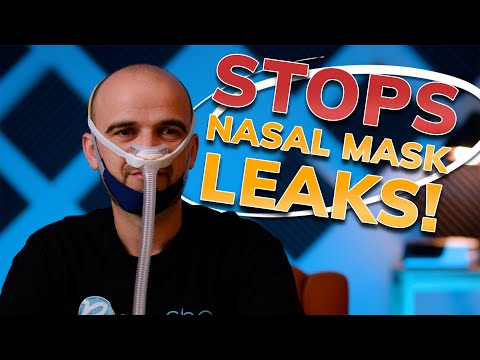
This is where chin straps come into play. These straps help keep your mouth shut during the night, ensuring that air from the CPAP flows through your nose instead. Sounds simple enough, right?
Benefits of Using Chin Straps
- Prevents Mouth Breathing: By keeping your mouth closed, chin straps can help optimize CPAP therapy.
- Comfort: Some users find they feel more comfortable when their mouth isn’t open all night.
- Reduced Dry Mouth: You know that feeling of waking up with a desert in your mouth? Chin straps might help prevent that.
- Improved Compliance: When you’re more comfortable with your CPAP setup, you might be more likely to stick with it.
Drawbacks of Using Chin Straps
- Discomfort: Not everyone finds them comfortable. Some may feel restricted or develop skin irritations.
- Might Not Fit Everyone: In reality, not every chin strap works for every face shape. You might need to try a few before finding one that fits well.
- Difficulties in Breathing: If you have a cold or allergies, breathing through your nose may be tough enough without the strap complicating things.
- Potential Over-Reliance:If you get used to wearing one at night, it could become hard to sleep without it if you decide to stop using the full mask someday.
Pointers for Effective Use
If you’re considering incorporating a chin strap into your routine, here are few things worth noting. First off, choose one that is adjustable; this can make a significant difference in comfort and effectiveness. Also, don’t forget hygiene! Regularly wash both the strap and any related equipment to prevent buildup of germs or odors.
The real deal is finding what works best for you personally while managing sleep apnea symptoms. A little trial and error might be needed—don’t worry; that’s totally normal!
A Final Word on Chin Straps
The key takeaway here is understanding both sides of using chin straps for better sleep apnea management; knowing what benefits they bring against possible downsides helps you make an informed decision.
Talk to healthcare providers about any changes in treatment approaches as they are most familiar with individual cases and needs. Good luck on your journey towards better sleep!
Uncovering the Unexpected Impacts of Wearing a Chin Strap
Understanding the Role of a Chin Strap with CPAP
Wearing a chin strap might seem like a simple solution, but it can actually have some unexpected impacts when using a CPAP machine. So, what’s the deal? Well, let’s break it down.
What is CPAP?
CPAP stands for Continuous Positive Airway Pressure. It’s often used by people who have sleep apnea to help keep their airways open while they sleep. Basically, it pumps air into your throat to prevent blockages.
The Purpose of a Chin Strap
A chin strap is designed to hold your mouth closed while you’re using the CPAP machine. It sounds easy enough, right? The idea is to encourage you to breathe through your nose instead of your mouth.
How it Can Enhance Comfort
Sometimes, users find that keeping their mouth closed increases overall comfort with the mask fitting. This might mean less air leakage and lower noise levels from the machine. It’s like having a cozy blanket over you; everything feels snugger.
Potential Discomforts
But wait! It’s not all sunshine and rainbows. Some folks report feeling claustrophobic or uncomfortable wearing the chin strap at night. If you’re someone who moves around in your sleep, it could feel restrictive or even wake you up.
A Few Unseen Effects
A chin strap may also lead to tension in your jaw or neck if it’s too tight. Think about how you feel after holding a position for too long – sometimes muscles get sore!
- Mouth Breathing: If you naturally breathe through your mouth while sleeping, that can make things tricky. The strap won’t magically train you overnight.
- Nasal Congestion: If you’ve got allergies or a cold, nasal breathing is harder anyway. This can make using the CPAP challenging regardless of what accessories are used.
- Skin Issues: Some folks notice irritation where the strap rubs against their skin after prolonged use. A soft fabric might help with this situation.
The Bottom Line
If you’re considering using a chin strap with your CPAP machine, think about what works best for you personally! Experimentation might be key here; not every solution fits everyone perfectly.
If something feels off or not quite right? It’s always good to reach out for support from healthcare professionals who know more about sleep apnea and its treatments.
Mastering Comfort and Style While You Sleep
Understanding CPAP and Chinstraps
If you’re using a CPAP machine to help with sleep apnea, comfort can be a bit of a struggle. The device helps keep your airways open while you sleep, which is fantastic. But it can take some adjusting to get used to it.
A chinstrap is one way to enhance comfort. It’s designed to support your jaw, keeping your mouth closed while you wear the mask. This is important because breathin through your nose, rather than your mouth, helps the CPAP work better.
Why Use a Chinstrap?
You might wonder why you’d bother with a chinstrap if you’re already using a CPAP machine. Well, it’s simple—if you breathe through your mouth during the night, you could lose pressure from the CPAP system. This makes it less effective.
A chinstrap can also reduce dry mouth or throat irritation that often comes from sleeping with your mouth open. Think of it as a little support for keeping everything in place.
Selecting the Right Chinstrap
When looking for a chinstrap, consider comfort first. Some straps are made of softer materials and come in adjustable sizes—which is always nice! You don’t want something too tight or too loose; otherwise, it won’t do its job well.
Look for features like breathable fabrics that allow moisture to escape and prevent sweating at night. Sometimes this can make all the difference!
How to Wear It Properly
Getting the fit right isn’t complicated but does require some attention. Start by placing the strap under your chin and wrapping it around the back of your head.
The goal is snug but not restrictive; you should be able to comfortably open your mouth slightly if you need to without removing it completely.
Making Adjustments
If you’re having trouble getting adjusted during those first few nights or feel uncomfortable at any time, explore adjusting how tight or loose it fits on your head.
You might also want to try wearing the strap directly over clean skin without hair getting in between; this minimizes friction from movement as you sleep.
Experimenting with Mask Types
If you’re still finding issues even with a chin strap, think about trying different masks too! There are nasal masks and full-face masks available—each offers unique benefits depending on how you breathe at night.
- Nasal masks: Good for those who breathe through their noses mainly.
- Full-face masks: Cover both nose and mouth; helpful when airflow tends toward oral breathing more often.
The Bottom Line
Your journey toward comfortable sleep with CPAP doesn’t have to be difficult. A chinstrap might just be one piece of that puzzle!
Remember everyone’s experience differs—you might need some trial and error before finding what works best for YOUR situation!
Enhancing CPAP Comfort: Using a Chinstrap Effectively
Using a CPAP machine can be life-changing for those with sleep apnea. Yet, many patients face challenges with discomfort and mask leaks. A chinstrap is an effective tool that can help improve the overall experience.
The primary purpose of a chinstrap is to keep the mouth closed during sleep. This is really important for those who tend to breathe through their mouths while using a CPAP. When the mouth opens, air pressure can escape, rendering therapy less effective.
When selecting a chinstrap, comfort is key. Look for a strap that fits snugly but doesn’t pinch or irritate the skin. Some straps are adjustable, which adds to their usability. Ideally, you want it to feel like a gentle hug rather than something constrictive.
It’s also good to consider materials used in chinstraps. Soft, breathable fabrics are often more tolerable throughout the night. Patients may want to try different styles—like those with padded areas or varying widths—to find what works best for them.
Another aspect worth mentioning is proper usage. The chinstrap should be placed correctly so that it supports the jaw without causing strain on other parts of the face or neck. It might take some time to get used to it; that’s normal!
In short, while CPAP therapy offers great benefits for better sleep and health, incorporating accessories like chinstraps can enhance comfort significantly. With the right approach and adjustments, patients can improve their adherence to treatment plans and experience better outcomes over time.