The information provided in this article is intended solely for general informational and educational purposes. It does not constitute medical advice, diagnosis or professional treatment, and should not be considered a substitute for consultation with a qualified doctor or other licensed healthcare professional. Any health-related decisions should be made in consultation with accredited medical professionals.
While efforts have been made to ensure the information is accurate and up to date, no guarantees are given—either express or implied—regarding its accuracy, completeness, currency or suitability. Use of this information is at your own discretion.
It is strongly recommended to consult official sources such as the NHS (National Health Service) or other recognised medical institutions before acting on any information contained on this website or article. Under no circumstances should professional medical advice be ignored or delayed due to content read here.
This content is of a general and informational nature only. It is not intended to replace individualised guidance from a healthcare professional or to establish any doctor-patient relationship. The publication of this information does not imply any professional responsibility, guarantee or obligation on the part of the author or this site.
Ever held a newborn and felt that tiny body just melt into your arms? It’s a magical moment, but it can also be nerve-wracking. Did you know that newborns have soft spots on their heads? Those areas can feel a bit scary to touch. It’s essential to handle them safely.
This article is all about how to hold a newborn baby safely—tips and guidelines to ensure both you and the little one feel comfortable. You might be asking yourself, why does this even matter? Well, knowing the proper way to hold a baby can prevent accidental injuries and help develop that amazing bond they need with caregivers.
We’ll cover everything from the best positions for holding your little one to how to support their fragile necks. Sometimes it feels overwhelming, but you don’t need any previous experience. Just remember: practice makes perfect.
And hey, while this guide aims to give you solid advice, it doesn’t replace professional medical advice. Always hop over and consult with your healthcare provider when making health decisions regarding infants.
Essential Tips for Safe and Comfortable Baby Holding
Holding a newborn can be such a joyful experience. It’s important to understand the basics so you can both enjoy this special time safely. Here are some essential guidelines to keep in mind.
Support the Head and Neck
A baby’s neck muscles aren’t strong enough yet, so they need support. Always cradle their head when lifting them. Think of it like holding a delicate balloon—supporting it from below will help prevent it from floating away or popping!
Choose a Comfortable Position
Try different positions to find what works for you and the baby. One common way is to hold them close with their head resting on your chest. This not only feels nice but also helps them hear your heartbeat, which is super soothing.
Use Both Hands
Your hands should be involved! Use one hand to support their head while the other supports their bottom. It just makes sense, right? Having both hands engaged gives you more control and helps prevent slips.
Create a Calm Environment
Sometimes babies get fussy, especially in noisy places. So, try to hold them in quiet areas where they feel relaxed. Think about dim lights or soft sounds—like your voice softly humming a lullaby.
Avoid Shaking or Jostling
This may sound obvious, but shaking can really harm babies. Their brains are still developing, so just gentle movements are best when cuddling or rocking them—swaying like you’re in slow motion can feel good!
Pace Yourself
If your baby seems restless after being held for some time, that’s totally okay! Take breaks and let them stretch out on a soft surface while keeping an eye on them of course.
Watch Out for Cues
Babies communicate in unique ways; they might squirm if they don’t like how they’re being held or if they’re hungry etc.. Pay attention to these signs! It’s akin to reading a book without words—you’ll get better at understanding over time.
The Wrap-Up: Safety First!
The main thing here is comfort and safety—for both you and the baby! Try these tips out during your next cuddle session, keeping everything calm and supported as much as possible.
Essential Tips for Keeping Your Baby Comfortable and Happy After Mealtime
Feeding a newborn can be a joyful experience, but it can also raise questions about how to keep them comfy afterward. You know, babies have their own little ways of showing us they’re content or, not so much. So, here are some ideas to consider.
1. Burping is Key
After feeding, it’s important to help your baby release gas. Burping helps prevent discomfort from trapped air in their tummy. You can hold your baby upright against your shoulder and gently pat their back. Sometimes just a minute or two is all it takes.
2. Gentle Holding Position
The way you hold your baby matters too! Try cradling them in one arm while supporting their head and neck with your hand. It’s like giving them a warm hug that feels safe and secure.
3. Watch for Cues
Your baby will give you signals about what makes them feel good or uncomfortable—like squirming or clenching their fists. Paying attention to these little cues can help you respond appropriately.
4. Keep it Calm
A soothing environment goes a long way after mealtime. Soft lighting and quiet sounds can keep babies relaxed. Consider playing gentle music or talking softly as you cuddle.
5. Tummy Time is Fun!
After a feeding session, allowing some tummy time (while they’re awake) is helpful! This helps strengthen their muscles and promotes good digestion too—just always supervise them closely during this time.
6. Swaddling Comfortably
If your little one enjoys being swaddled, make sure it’s not too tight around the chest area; they should still be able to move their hips comfortably. It’s like wrapping them in a cozy blanket without restricting movement.
- If they seem fussy after eating, sometimes they just want to change positions.
- A warm but not hot bath may also help soothe them afterward.
- Check diapers regularly; discomfort might come from needing a change!
Cuddles Go A Long Way
A lot of comfort comes from simply being close to you! Skin-to-skin contact releases hormones that help keep both of you relaxed—who wouldn’t love that? Just holding your baby close lets them know they’re loved and secure.
The bottom line? Keeping your newborn comfortable after meals involves paying attention to their needs, finding the right positions for holding them, and creating a calm atmosphere around them. It’s these small things that contribute greatly to their happiness!
Discover the safest moments to lift your little one with confidence
Essential Guidelines for Holding a Newborn Baby Safely
Hey, so you’re excited about lifting your little one. That’s great! But it’s totally normal to have some doubts about when and how to hold them. Let’s clear things up.
When is the right moment?
The best time to lift your newborn is when they are calm and alert. Look for signs of contentment, like cooing or just looking at you. If they’re crying or fussy, it might be better to let them settle down first.
Get comfy yourself
You know how it feels when you’re comfy? Your baby can feel that too. Make sure you’re in a good position before picking them up—whether sitting or standing. A stable base helps both you and your baby feel secure.
The proper hold
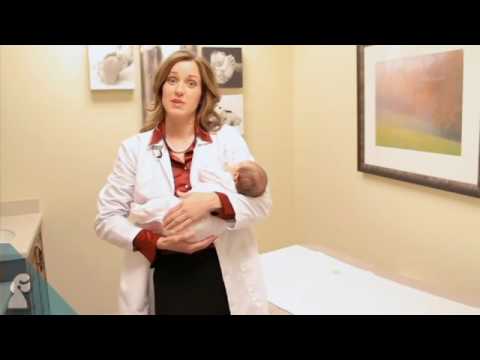
There are a couple ways to hold a newborn safely. The most common way is the ‘cradle hold.’ Here, you support the baby’s head with one arm and their bottom with the other. This method feels natural, but always remember— head control in newborns isn’t there yet!
- Cuddle Hold: For extra snuggles, place your baby against your chest with their head near your shoulder. Keep one hand under their bottom for support.
- Sit-down Lift: If you’re lifting from a surface like a crib, bend at your knees instead of bending over from the waist.
Watch for signs
Your instincts play a big role here too. If something feels off while holding them—like if they’re too stiff or floppy—that’s worth paying attention to. A snug grip should be comforting but never constricting.
Avoid certain situations
If you’re feeling tired or distracted, that’s not the best time to pick up your baby. It’s essential to be focused because babies can move unexpectedly!
Practice makes perfect
You won’t master holding a newborn right away—it’s totally okay! Take your time learning how they like being held and what feels comfortable for both of you.
Sharing the joy
If other family members want to lift the little one, encourage them to follow similar guidelines. It’s all about keeping that precious bundle safe while building connections!
A lot of love goes into holding babies safely, honestly! It can feel daunting at first but trust yourself; you’ll get into the groove before long.
Reflection on Essential Guidelines for Holding a Newborn Baby Safely
Holding a newborn baby can be one of the most heartwarming experiences. However, it comes with great responsibility. The guidelines for safely holding a newborn are vital not only for the baby’s safety but also for the caregiver’s peace of mind.
First off, it’s essential to support the baby’s head and neck. Newborns have weak neck muscles, so if you don’t support their head, it can lead to injury. You know, think of their head like a balloon — if you squeeze too hard or don’t hold it right, it could pop.
Next, the position matters significantly. Cradling a newborn in your arms is usually best. It allows them to feel secure. When you hold them close to your chest, they can hear your heartbeat — which is calming for them.
A firm grip is important too, but not too tight! You want them to feel safe without feeling constricted. It’s kind of like giving someone a hug; it should be comforting yet not overwhelming.
- Always wash your hands before holding them to prevent germs.
- Avoid jostling or bouncing suddenly; they aren’t used to that yet!
- If you’re sitting down while holding the baby, make sure you’re comfy and supported.
Lastly, being aware of your surroundings is key—don’t hold a newborn while walking on slippery floors or near stairs where accidents might happen.
The warmth of connecting with a newborn cannot be overstated. Following these essential guidelines ensures that this connection happens safely and joyfully.