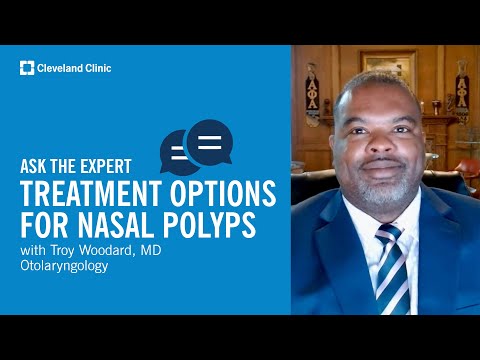
The information provided in this article is intended solely for general informational and educational purposes. It does not constitute medical advice, diagnosis or professional treatment, and should not be considered a substitute for consultation with a qualified doctor or other licensed healthcare professional. Any health-related decisions should be made in consultation with accredited medical professionals.
While efforts have been made to ensure the information is accurate and up to date, no guarantees are given—either express or implied—regarding its accuracy, completeness, currency or suitability. Use of this information is at your own discretion.
It is strongly recommended to consult official sources such as the NHS (National Health Service) or other recognised medical institutions before acting on any information contained on this website or article. Under no circumstances should professional medical advice be ignored or delayed due to content read here.
This content is of a general and informational nature only. It is not intended to replace individualised guidance from a healthcare professional or to establish any doctor-patient relationship. The publication of this information does not imply any professional responsibility, guarantee or obligation on the part of the author or this site.
Are you struggling with persistent nasal congestion or sinus pressure? You’re not alone. Nasal polyps, those small fleshy growths inside the nose, can be a real nuisance. They can affect your breathing and even impact your sense of smell. It’s frustrating when simple things like enjoying food or taking a deep breath become difficult.
You might be wondering: what can I do about this? The good news is there are effective medications that can help manage these pesky polyps. This article will explore essential medications for handling nasal polyps, providing you with information that could lead to relief.
Certain treatments, like nasal corticosteroids, play a crucial role in reducing inflammation and shrinking polyps. But we’ll also look at other options that might be on the table for you.
Remember though, this content doesn’t replace professional medical advice. Always consult with a healthcare professional before making any health decisions based on what you read here.
Simple Steps to Find Relief and Breathe Easier
Understanding Nasal Polyps
Nasal polyps are soft, non-cancerous growths that can develop in the lining of your nasal passages or sinuses. Think of them as tiny balloons that fill up space in your nose. They can cause blockage, making it hard to breathe through your nose.
Many people with nasal polyps experience symptoms like nasal congestion, a runny nose, or frequent sinus infections. If you feel like you’re always battling stuffiness, you’re not alone!
What Can Help?
To manage nasal polyps effectively, several medications may be considered. You could start with corticosteroids. These are often prescribed because they help to reduce swelling and inflammation in the nasal passages.
- Nasal sprays: These are commonly used corticosteroids that you spray directly into your nostrils.
- Pills: In some cases, oral corticosteroids might be necessary if the condition is severe.
The goal here is to shrink those pesky polyps and relieve symptoms so you can breathe a little easier.
Other Options to Consider
If medications aren’t cutting it for you, other treatment options exist too. Surgery might come into play for larger or persistent polyps. This isn’t about removing everything but rather trimming what’s causing trouble.
It’s also worth mentioning that allergy management can play a role here too. Allergies can worsen nasal congestion and contribute to polyp formation. So tackling those root causes might give you some relief!
Lifestyle Adjustments
Sometimes simple lifestyle changes make a big difference! Staying hydrated helps thin mucus secretions which can ease breathing difficulties. Also pay attention to humidity levels in your living space; using a humidifier could keep things from getting stuffy.
- Avoid triggers: Smoke and strong odors may make symptoms worse.
- Nasal irrigation: Using saline sprays or rinses regularly can help keep your nasal passages clear.
The Power of Communication
If you’re feeling frustrated with how you’re breathing or managing symptoms, talking to a healthcare professional is really important. They can help tailor treatment options to fit your lifestyle and specific needs.
This journey might take some time but remember—finding relief is possible! Your quality of life matters, and taking steps towards better breathing is worth it!
Unlocking the Secrets to Lasting Relief from Nasal Polyps
Understanding Nasal Polyps
Nasal polyps are soft, painless growths that form in the lining of your nasal passages or sinuses. They occur when the tissues become inflamed, often due to allergies or chronic inflammation. Imagine a small balloon that fills with air; that’s sort of like what happens when these polyps grow.
While they are non-cancerous, their presence can lead to blockage and make breathing difficult. Common symptoms include stuffy nose, reduced sense of smell, and sinus infections. The thing is, they can really affect your quality of life.
Essential Medications for Managing Nasal Polyps
Managing nasal polyps often involves a combination of medications aimed at reducing inflammation and relieving symptoms. Let’s break this down into some common treatments.
Corticosteroids
Corticosteroids are commonly prescribed to shrink the size of nasal polyps. These medications can be delivered as sprays (like fluticasone) or taken orally. Think of it as turning down the heat on a simmering pot—these meds help reduce inflammation and swelling.
Antihistamines
If allergies trigger your polyps, antihistamines can help by blocking histamine—this chemical kindles allergic reactions in our bodies. Popular options include cetirizine and loratadine; they work well for people who frequently deal with sneezing or itchy eyes too.
Leukotriene Modifiers
This type of medication helps manage inflammation as well, but it focuses on leukotrienes—substances that contribute to allergic responses and asthma-like symptoms. Montelukast is a common choice here.
Expecting Effective Relief?
You might find relief from using these meds, but remember that not everyone responds in the same way. Some folks experience significant improvement while others may still struggle with symptoms. It’s all about finding what works best for you.
When Medications Aren’t Enough
If your nasal polyps persist despite treatment, you might need more advanced options like surgery to remove them. This usually happens when medications fail to provide enough relief over time.
The Role of Lifestyle Changes
Apart from medications, making some lifestyle adjustments can also be beneficial. For instance, using a humidifier may help keep mucus thin and less likely to obstruct your breathing passages.
- Avoid triggers like smoke or strong odors;
- Practice good nasal hygiene by rinsing with saline solutions;
- Stay hydrated!
The Importance of Follow-Up Care
Nasal polyps might seem daunting at first glance but understanding the treatments available sounds much more manageable doesn’t it? Stay informed about your condition and communicate openly with professionals so you can achieve better relief!
Discovering Relief from Nasal Polyps: My Journey to Clear Breathing
Understanding Nasal Polyps
Nasal polyps are soft, painless growths that develop on the lining of your nasal passages or sinuses. They’re often linked to inflammation caused by allergies, asthma, or chronic sinus infections. Imagine a balloon inflating; that’s kinda how these polyps form. When inflammation persists, the tissue swells up and creates these little bumps.
Symptoms to Look Out For
If you have nasal polyps, you might notice stuffy sinuses, a reduced sense of smell or taste, and even frequent nosebleeds. Sometimes they can also trigger sinus infections. Picture trying to breathe through a straw—it’s pretty tough when nasal passages are blocked.
Essential Medications for Management
Managing nasal polyps usually involves medications aimed at reducing inflammation and shrinking the polyps themselves. Corticosteroids are commonly prescribed. They come in spray forms for direct delivery to your nasal passages.
- Corticosteroid Nasal Sprays: Sprays like fluticasone or mometasone aim to decrease swelling in your nose. Think of it as giving your nose a calming hug.
- Oral Corticosteroids: In more severe cases, doctors might prescribe pills for short periods. These can kick inflammation into gear but may have bigger side effects.
- Antihistamines: If allergies are a factor, you might use antihistamines like cetirizine to help manage those sneezing fits and itchy feelings.
The Role of Saline Irrigation
An often overlooked method is saline irrigation—basically rinsing your sinuses with salt water. It’s like giving them a gentle wash! This can help clear mucus and potentially reduce polyp size over time.
Lifestyle Changes That Help
Sometimes simple lifestyle changes can make a big difference too! Avoiding allergens such as dustmites or pollen could lead to less irritation in your nasal passages. Staying hydrated is important too; think about how much easier it is for things to flow when they’re not thick and sticky!
Surgery: A Last Resort?
If medications don’t bring relief after some time, surgical options may be considered by health professionals. This involves removing the polyps so you can breathe easier again—kind of like clearing out a clog in plumbing!
The Importance of Follow-Up Care
If you’re dealing with nasal polyps long-term, regular check-ins with healthcare providers matter because they can adjust treatment plans as needed. You know how sometimes your car needs maintenance? It’s similar with our bodies—they need regular care too!
You Are Not Alone
Your journey with nasal polyps can feel frustrating but remember many people share this experience. Being informed about what options exist will empower you on this path toward clearer breathing.
Nasal polyps can be a real nuisance. They’re soft, painless growths that develop on the lining of your nasal passages or sinuses. While not all the time, they can lead to breathing issues or chronic sinus infections. Managing them effectively often requires a mix of medication and other strategies.
Essential medications usually include corticosteroids, which are often the first line of treatment. These help reduce inflammation and size of the polyps. Think of them as putting out a fire in your nasal passages; they decrease swelling and make it easier to breathe.
Other options might include leukotriene modifiers, which block certain chemicals in the body that contribute to inflammation. This could be particularly helpful if allergies also play a role in your symptoms.
For some individuals, additional treatments like nasal saline sprays can help keep tissues moist and reduce irritation caused by dry air or irritants. It’s like giving your nose a drink when it’s thirsty!
Sometimes surgery becomes necessary if medications don’t work well enough. This is typically seen as a last resort; you know, when other options have been exhausted.
The key takeaway here is that managing nasal polyps is highly individualized. What works for one person might not work for another due to various underlying conditions, like asthma or allergies. Regular follow-ups with healthcare providers ensure that treatment plans are effective and adjusted when needed.
Overall, understanding these essential medications empowers patients to take an active role in their care while working alongside their healthcare teams.