The information provided in this article is intended solely for general informational and educational purposes. It does not constitute medical advice, diagnosis or professional treatment, and should not be considered a substitute for consultation with a qualified doctor or other licensed healthcare professional. Any health-related decisions should be made in consultation with accredited medical professionals.
While efforts have been made to ensure the information is accurate and up to date, no guarantees are given—either express or implied—regarding its accuracy, completeness, currency or suitability. Use of this information is at your own discretion.
It is strongly recommended to consult official sources such as the NHS (National Health Service) or other recognised medical institutions before acting on any information contained on this website or article. Under no circumstances should professional medical advice be ignored or delayed due to content read here.
This content is of a general and informational nature only. It is not intended to replace individualised guidance from a healthcare professional or to establish any doctor-patient relationship. The publication of this information does not imply any professional responsibility, guarantee or obligation on the part of the author or this site.
Have you ever felt a sudden, intense pain in your shoulder after a fall or awkward movement? You’re definitely not alone. Dislocated shoulders are surprisingly common, especially among athletes and active individuals.
This article walks you through the essential steps for treating a dislocated shoulder. It’s not just about the pain; it’s about getting back to normal activities as quickly and safely as possible.
You know how frustrating it can be when your body doesn’t cooperate. Understanding your options can make all the difference. We’ll cover everything from recognizing the signs of a dislocation to basic first aid measures.
Of course, while this information is helpful, it’s important to remember that it doesn’t replace medical advice. Always consult a healthcare professional for an accurate diagnosis and tailored treatment plan.
Your health matters, and knowing what to do in these situations empowers you to take better care of yourself. Let’s dive into what you need to know!
Quick Tips for a Speedy Recovery from Shoulder Dislocation
Understanding Shoulder Dislocation
A shoulder dislocation happens when the upper arm bone pops out of its socket. It can be pretty painful, and you might notice swelling or bruising afterwards. You know, the shoulder is a really mobile joint, which makes it vulnerable to dislocations during sports or accidents.
First Steps After Dislocation
When you first dislocate your shoulder, try to stay calm—easier said than done! Keep your arm in a comfortable position and avoid moving it. If there’s a lot of pain or deformity, seek medical help right away.
Medical Treatment
At the hospital, a healthcare provider will perform what’s called a reduction. This just means they’ll gently guide your arm back into place. You might get some pain relief medications too; that can help with those initial aches.
Rest and Ice
After getting treated, rest is super important. Give yourself time to heal! Applying ice packs for 15-20 minutes several times a day can help reduce swelling; just remember to put a cloth between the ice and your skin.
Pain Management
Your doctor might recommend over-the-counter pain relievers like ibuprofen or acetaminophen. These can really make things more comfortable as you start recovering; however, always follow dosages carefully!
Physical Therapy
Once you’re feeling better, consider physical therapy. A therapist will create exercises that help restore strength and flexibility in your shoulder; they really play a key role in preventing another dislocation down the line.
If Surgery Is Needed
In some cases, usually after multiple dislocations or severe damage, surgery may be necessary. A surgeon can tighten ligaments around the shoulder joint; this may sound intense but sometimes it’s essential for long-term stability.
Nurturing Your Recovery
- Avoid heavy lifting: Be gentle with your shoulder while it’s healing.
- Pacing yourself: Recovery takes time! Don’t rush back into activities too soon.
- Dressing changes: If there’s any wrapping from treatment, keep it clean and dry.
- Stay hydrated: Drinking water helps every part of healing!
- Breathe easy: Stress management can actually make recovery smoother.
The Importance of Support
Telling friends or family about your injury means they’ll understand why you might need help for a bit.. It’s all about finding people who support you as you get through this journey together!
Cautionary Notes
If something doesn’t feel right during recovery—like increasing pain or limited mobility—reach out to your healthcare provider again. It’s better to check things out than just wait around thinking it will go away on its own.
You got this! Committing to those simple steps post-injury makes all the difference in bouncing back effectively from a dislocated shoulder.
Understanding Your Healing Journey After a Shoulder Dislocation
Hey, if you’ve ever dislocated your shoulder, you know how painful and unsettling it can be. It’s like your joint has gone rogue! But understanding the healing process can really help you navigate this journey.
What Exactly Is a Shoulder Dislocation?
A dislocated shoulder happens when the ball of your upper arm pops out of its socket in the shoulder blade. Imagine trying to fit a big marble into a tiny cup. When it’s not where it’s supposed to be, it’s not only uncomfortable but can also cause damage to nearby tissues.
Immediate Steps and Treatment
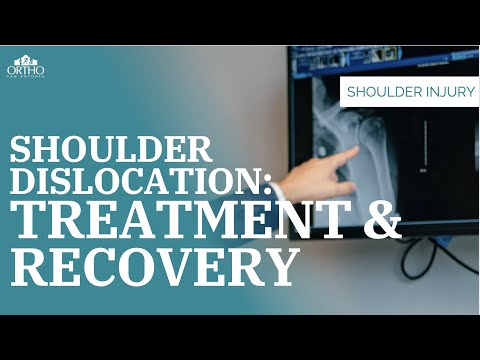
Right after the injury occurs, you should seek medical help. Doctors often use a technique called reduction to put the bone back in place. Sometimes they’ll need an X-ray to check for fractures or other injuries alongside the dislocation.
- Rest: Give your shoulder some time off from heavy lifting or sports.
- Icing: Applying ice packs can reduce swelling and numb some pain.
- Sling: A sling may help keep your arm still while it heals.
The Healing Process
Your body is pretty amazing at healing itself. After a dislocation, soft tissues like ligaments and tendons might need time to recover too. This could take weeks or even months depending on individual factors like age and overall health.
Physical Therapy
You might feel tempted to rush back into activities but hold on! Physical therapy plays an essential role here. A therapist will provide exercises tailored just for you, helping regain strength and mobility without risking re-injury.
- Mild stretches: These help increase flexibility in your shoulder joint.
- Strength-building exercises: They focus on stabilizing the muscles around that joint.
Pain Management
Pain is part of this journey; it’s simply unavoidable at times. Over-the-counter medications like ibuprofen or acetaminophen may ease discomfort but always check with someone knowledgeable about using them safely!
Avoid Re-Dislocation
Once you’re feeling better, there’s still work do be done! Strengthening those muscles around your shoulder is key to avoiding future incidents since dislocated shoulders are more likely to happen again after the first time.
The Emotional Aspect
Losing range of motion can lead to frustration; that’s totally normal! Surround yourself with supportive friends or find online communities where people share similar experiences—sometimes just talking about what you’re going through helps immensely!
Wrapping Up Your Journey
Your healing journey after a shoulder dislocation doesn’t have one size fits all approach—it varies from person to person. Be patient with yourself and trust in your body’s ability to heal over time. Just remember that every little bit of progress counts!
A Step-by-Step Guide to Relieving Pain and Restoring Mobility
Understanding a Dislocated Shoulder
A dislocated shoulder happens when the upper arm bone pops out of the shoulder socket. Ouch! This can occur due to a fall, sports injury, or even just lifting something heavy. The joint stretches beyond its limit, causing pain and loss of mobility.
Recognizing Symptoms
You might notice swelling, bruising, or an odd shape in your shoulder. There’s often intense pain and limited ability to move your arm. It can also feel like something’s really wrong—like it’s just not hanging right.
Step 1: Immediate Care
- Stop Moving: First things first—stop using that arm. Moving it could cause more damage.
- Icing: Applying ice can help reduce swelling and numb the pain.
- Support: Use a sling or any sort of fabric to keep your arm close to your body.
Step 2: Seeking Medical Help
No matter how you look at it, you need professional help if you think you’ve dislocated your shoulder. So don’t hesitate!
Step 3: Manual Reduction
A healthcare provider usually needs to push the bone back into place. This is called manual reduction and might sound scary but is generally done under sedation to minimize discomfort.
Step 4: Rest and Recovery
- No Heavy Lifting: Give yourself some time off from any strenuous activity.
- Pain Management: Over-the-counter pain relievers may provide relief—just make sure they are suitable for you!
Step 5: Rehabilitation Exercises
This is where restoring mobility comes in! Gentle stretching and strengthening exercises can help get back full function over time. Usually, a physical therapist helps guide this process.
The Importance of Patience
You know? Recovery takes time, and rushing it might lead to more issues down the line. Everyone’s body is different; some may heal quicker than others, so listen to yours!
A Note on Prevention
If you’ve had a dislocated shoulder before, you’re at higher risk for it again. Strengthening your shoulders through exercise could help prevent future incidents. Think about activities like swimming or resistance training—it might be worth considering as part of your routine!
The Bottom Line
You’ll want avoid ignoring symptoms if you suspect you’ve dislocated your shoulder. Early care can make all the difference in how well you recover and regain that precious mobility we all take for granted!
Essential Steps for Treating a Dislocated Shoulder
A shoulder dislocation happens when the upper arm bone pops out of the shoulder socket. It’s painful, and honestly, it can be quite alarming to see. Let’s break down what to do if you or someone else faces this situation.
Recognizing the Symptoms
The first thing is identifying symptoms. Look for intense pain in the shoulder, swelling, bruising, and an inability to move the arm normally. The shoulder may also look visibly out of place or have an unusual contour.
Immediate Care
If a dislocation appears likely, keep the person calm. Reassurance goes a long way! It’s crucial not to try moving the arm back into place on your own—this can cause more damage. Instead, immobilize it gently using a sling or by securing it against the body with clothing.
Seek Professional Help
Emergency medical help is essential. Doctors usually perform imaging tests like X-rays to confirm dislocation and check for any associated fractures. They’ll have to reduce the dislocated joint—meaning they put it back into place—which is typically done under medication for pain relief.
Post-Reduction Care
After reduction, rehabilitation starts with rest and gentle movement exercises to avoid stiffness and strengthen surrounding muscles. Physical therapy often plays a big role here; therapists guide recovery with tailored exercises over weeks or months.
Long-Term Considerations
The journey doesn’t end there; avoiding future dislocations means building strength in shoulder muscles through targeted workouts. Sometimes bracing or even surgery may be suggested if dislocations become recurrent.
A Final Note
This experience reminds us that while immediate care is vital, understanding how our bodies work and what can happen helps demystify injuries like this one. Being prepared can make all the difference in managing such incidents effectively.