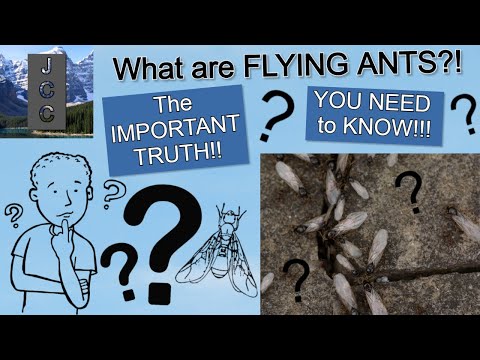
Flying ants are one of nature’s intriguing marvels. These tiny creatures, often seen swarming during the warmer months, offer a peek into the complex world of ant behavior and life cycles. Did you know that what we often mistake for a pest invasion is actually a part of their reproductive process? Flying ants are typically the males and queens leaving their nests to mate and establish new colonies.
Their journey may be brief, but it plays a crucial role in sustaining ant populations. Observing these fascinating insects can spark curiosity about their roles in ecosystems and even inspire us to appreciate the small wonders that surround us daily.
However, it’s essential to approach information about flying ants with caution. Just as with any subject, many myths and misconceptions exist. Always ensure you’re getting your facts from reliable sources—consult experts or reputable media outlets focused on entomology or biology. This way, you’ll gain accurate insights and avoid misinformation about these remarkable insects. Stay curious but informed!
The information provided in this article is intended solely for general informational and educational purposes. It does not constitute medical advice, diagnosis or professional treatment, and should not be considered a substitute for consultation with a qualified doctor or other licensed healthcare professional. Any health-related decisions should be made in consultation with accredited medical professionals.
While efforts have been made to ensure the information is accurate and up to date, no guarantees are given—either express or implied—regarding its accuracy, completeness, currency or suitability. Use of this information is at your own discretion.
It is strongly recommended to consult official sources such as the NHS (National Health Service) or other recognised medical institutions before acting on any information contained on this website or article. Under no circumstances should professional medical advice be ignored or delayed due to content read here.
This content is of a general and informational nature only. It is not intended to replace individualised guidance from a healthcare professional or to establish any doctor-patient relationship. The publication of this information does not imply any professional responsibility, guarantee or obligation on the part of the author or this site.
Discover the Fascinating Secrets of Nature’s Winged Explorers
Flying ants are truly fascinating creatures. They offer a glimpse into the incredible diversity of nature’s designs. These insects have unique life cycles, behaviors, and roles in their ecosystems.
Most people only see flying ants when they swarm. This happens during mating season. The males leave their colonies to mate with virgin queens on the wing. After that, the males usually die off, while the queens shed their wings and start new colonies.
Did you know that flying ants are not a separate species? They are simply reproductive members of ant colonies, mainly represented by male ants and new queens. Their wings allow them to explore new territories for establishing nests.
Here are some fun facts about flying ants:
Ants have been around for over 100 million years. Their social structures are complex and varied among species. Some live in huge colonies with millions of members.
Not everyone loves flying ants. Some may confuse them with termites due to similar appearances. But a simple way to tell them apart is by looking at their waists; flying ants have a narrower waist.
There’s also an interesting fact about how they communicate during swarming events. They release pheromones—chemical signals that guide other ants toward food sources or warn of danger.
Flying ants might seem insignificant but play vital roles in our ecosystems—as pollinators and as food for other animals like birds and small mammals.
In conclusion, next time you see flying ants swarming overhead, remember their story is much deeper than a simple flight. Nature’s winged explorers remind us of the complex interactions that sustain life on Earth. Their existence highlights how every creature plays a role in maintaining balance in our environment.
Understanding these little wonders encourages us to appreciate biodiversity even more!
Discover the Fascinating World of Ants and Their Surprising Behaviors
Ants are more than just tiny insects. They are part of a complex social system that fascinates scientists and nature lovers alike. Each ant plays a role within their colony, making them extraordinary creatures to study.
One of the most interesting types is the flying ant. These ants take to the air during specific mating seasons, usually when conditions are right—warm and humid days. It’s a spectacle to see, often creating swarms that can be overwhelming.
The flying ants’ primary goal is to **reproduce**. During this time, males mate with queens while they swarm high above the ground. After mating, males typically die soon after. Queens have a different fate; they land and start new colonies.
An interesting behavior in ants is **communication**. They use chemical signals called pheromones to send messages to each other. When a forager finds food, it lays down a pheromone trail back to the colony, guiding others straight to the feast!
Additionally, ants display remarkable teamwork. They work together for tasks like building nests and caring for their young. Some species even cultivate fungi as food by bringing leaves back to feed their crops.
Did you know that some ants can lift more than 50 times their body weight? This incredible strength helps them transport food or defend their colonies against threats.
Ant societies vary widely—some have thousands of individuals while others may only consist of a few dozen members. The structure can differ too; some have clear hierarchies with workers, soldiers, and queens.
There are many myths about ants that are not true! For instance, not all flying ants turn into queens or establish new colonies. Only specific individuals from certain species do this during those swarming events.
Understanding these behaviors helps us appreciate not just ants but also the intricate roles they play in our ecosystems. By studying them closely, we learn about cooperation and survival in nature.
Next time you see flying ants or notice ant trails in your yard, remember—they’re not just tiny bugs but fascinating beings with complex lives!
Discover the Dark Side of Nature’s Tiny Titans
When we think of flying ants, we often marvel at their incredible ability to soar through the air. However, there’s a lesser-known side to these tiny creatures that deserves our attention. While fascinating, flying ants can also pose some challenges.
Flying ants are mostly just male and new queen ants looking for mates. Their swarming behavior often catches people off guard. Indisputably, it can be a spectacular sight when they take flight in large numbers during certain seasons.
However, this is where the dark side comes in. Flying ants are known to form massive swarms that can be overwhelming for people nearby. Such swarms can sometimes lead to panic or discomfort among individuals who may not be used to encountering them.
Moreover, flying ants can contribute to potential environmental issues. By arriving in droves, they may disrupt local ecosystems temporarily. They compete for food with other insects and animals, which can create imbalance.
Interestingly, some people may experience allergic reactions from ant bites or stings during such encounters. It’s crucial to be cautious if you are allergic to insect bites in general.
Another aspect is the several diseases that certain ant species might carry. While flying ants themselves aren’t usually harmful, some species could potentially spread bacteria if they infest homes or food supplies.
It’s also important to note that myths surround these tiny titans. Some believe that seeing flying ants means it’s going to rain soon—while interesting folklore exists about them bringing luck or misfortune.
In summary, while flying ants have their charm, it’s essential to recognize the potential issues they present as well as health concerns related to allergies and disease spread. Understanding these aspects encourages respectful coexistence with nature while prioritizing our wellbeing.
Flying ants often capture our attention, especially when we see them swarming in large numbers. These insects belong to the ant family and are typically the reproductive members of their colonies, emerging during specific periods, usually coinciding with warm weather and rain.
One fascinating aspect of flying ants is their role in reproduction. Just like many species, they have a mating ritual that involves nuptial flights. During these flights, males and females leave their colonies to mate in the air. Afterward, males typically die shortly after mating, while fertilized females land to start new colonies.
Another interesting fact is their unique behavior. Flying ants often swarm together for safety in numbers. This can create quite a spectacle but also indicates an important ecological event—food sources or environmental conditions are optimal for colony expansion.
Despite their intriguing nature, there are many myths surrounding flying ants. A common misconception is that they cause significant property damage or infest homes. In truth, while they can invade structures during swarming periods, they do not cause harm like termites do.
Understanding these creatures helps demystify their behavior and promotes respect for all forms of life. Embracing our curiosity about flying ants enriches our appreciation for biodiversity and ecological balance. Overall, they play an essential role in our ecosystem as pollinators and as part of the food chain, showcasing nature’s intricate design.