Understanding female anatomy is like exploring a beautifully intricate map of the human body. Each part plays a unique role, contributing to overall health and well-being. From the external features to the complex internal systems, there’s so much to discover and appreciate.
Female anatomy encompasses more than just reproductive organs; it includes components of the muscular, skeletal, and endocrine systems that work in harmony. Detailed labeled diagrams serve as excellent educational tools, helping individuals visualize and comprehend these structures.
Exploring this topic can spark curiosity about how our bodies function. It invites us to ask questions about health, sexuality, and wellness. This knowledge empowers individuals to make informed decisions about their own health journeys.
However, it is essential to approach this subject thoughtfully. The materials found in “Female Anatomy: Detailed Labeled Diagrams Inside and Out” are meant for educational purposes but should not replace professional medical advice. Always seek information from diverse specialists—gynecologists, endocrinologists, or certified health educators—and utilize credible sources when searching for understanding.
Engaging with female anatomy offers an enriching opportunity for personal growth and awareness; just remember to stay curious but critical in your pursuit of knowledge!
The information provided in this article is intended solely for general informational and educational purposes. It does not constitute medical advice, diagnosis or professional treatment, and should not be considered a substitute for consultation with a qualified doctor or other licensed healthcare professional. Any health-related decisions should be made in consultation with accredited medical professionals.
While efforts have been made to ensure the information is accurate and up to date, no guarantees are given—either express or implied—regarding its accuracy, completeness, currency or suitability. Use of this information is at your own discretion.
It is strongly recommended to consult official sources such as the NHS (National Health Service) or other recognised medical institutions before acting on any information contained on this website or article. Under no circumstances should professional medical advice be ignored or delayed due to content read here.
This content is of a general and informational nature only. It is not intended to replace individualised guidance from a healthcare professional or to establish any doctor-patient relationship. The publication of this information does not imply any professional responsibility, guarantee or obligation on the part of the author or this site.
A Deep Dive into the Complex Anatomy of Female Reproduction
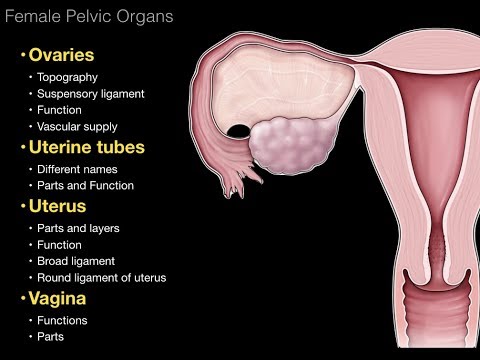
The female reproductive system is a complex and fascinating structure. It serves several important functions, from producing eggs to supporting a developing fetus. Understanding this anatomy helps in comprehending various health issues that may arise.
Let’s start with the ovaries. They are small, almond-shaped organs located on either side of the uterus. Their main job is to produce eggs and hormones, like estrogen and progesterone. Think of them as the “seed factories.”
Next up are the fallopian tubes. These thin tubes connect the ovaries to the uterus. After an egg is released from an ovary, it travels through these tubes. If sperm is present, fertilization can happen here.
The uterus is a muscular organ where a fertilized egg can grow into a baby. It has three layers:
Every month, if no pregnancy occurs, the endometrium sheds during menstruation. This cycle prepares the body for potential new life.
Another important part is the cervix, which is the lower part of the uterus that opens into the vagina. The cervix produces mucus that changes consistency throughout your cycle; this helps or hinders sperm movement.
Lastly, we have the vagina, which serves multiple purposes: it’s a passage for menstrual fluid, sperm entry during intercourse, and it becomes a birth canal during delivery.
It’s essential to remember that each component works together harmoniously. Just like different parts of a car work together for smooth driving, these organs collaborate for reproductive health.
Understanding female reproduction goes beyond just anatomy; it’s also about awareness of one’s health and wellness. Regular checkups with healthcare professionals can help monitor reproductive health throughout life stages.
By recognizing how each part functions, you empower yourself with knowledge about your body. It’s not just about learning anatomy; it’s about understanding how it relates to your overall well-being.
Exploring the Versatility and Style of Women’s Bifold Designs
Exploring women’s bifold designs might seem unrelated to health at first glance. But there’s a fascinating connection through how we express ourselves. Our clothing and accessories can impact our confidence and mood, which are important for overall well-being.
Bifold wallets are stylish yet practical. They neatly organize essentials like cash, cards, and IDs. This design allows for easy access without fumbling around. It’s akin to having a tidy workspace that boosts productivity.
Women often choose bifold wallets that reflect their personality. Some prefer sleek leather while others opt for vibrant patterns. This variety encourages self-expression, making one feel empowered and more confident.
Key points about bifold wallet versatility:
The connection between personal style and mental health is real. When we feel good about our appearance, it can enhance our self-esteem. This ripple effect can positively influence social interactions as well.
It’s important to try different styles until you find what feels right for you. Just like understanding your own body is key to health, understanding your preferences is crucial for self-expression.
In conclusion, exploring bifold wallet designs provides insight into how fashion influences confidence. Remember the link between this expression of style and your overall wellness journey is significant! So go ahead, choose a wallet that speaks to you!
Discover the Heart of Her Role
When we talk about female anatomy, it’s crucial to understand that every part plays a unique role. Much like a well-orchestrated symphony, each instrument contributes to the whole.
The heart of her role extends beyond just reproduction. It involves many systems working together for overall health and well-being.
Let’s break it down:
Thinking of these systems as interconnected networks helps us appreciate how they support each other.
For example, hormonal changes during the menstrual cycle can affect mood or energy levels. This highlights how one system influences another.
It’s also important to recognize differences in female anatomy across life stages. Puberty, pregnancy, and menopause all bring changes that reshape a woman’s health landscape.
Education is key. Understanding your body helps make informed choices regarding health care and lifestyle.
There are many myths surrounding female anatomy—like misconceptions about menstruation or menopause. Engaging in dialogue can help debunk these myths!
Always remember: every woman’s body is unique. What works for one person may not work for another.
Staying aware of your body’s signals fosters better communication with healthcare providers when needed.
In conclusion, embracing the complexity of female anatomy empowers women to take charge of their health journey with confidence and knowledge!
Understanding female anatomy is crucial for both health education and awareness. Detailed labeled diagrams offer a visual representation that enriches our comprehension of the body’s structure and functions.
These diagrams typically include key areas such as the reproductive system, including the ovaries, uterus, and fallopian tubes, as well as external features like the vulva. Each component plays a unique role in health, reproduction, and overall wellness.
One important aspect of these diagrams is how they can demystify female physiology. For many, learning about their own bodies can be empowering. It helps dispel myths and fosters informed conversations about health issues like menstruation, pregnancy, and menopause.
Additionally, comprehending female anatomy aids in recognizing when something might be wrong. Awareness of normal anatomical structures allows individuals to identify changes that warrant medical attention sooner rather than later.
In education settings—whether schools or community programs—these resources are vital tools for teaching about sexual health and reproductive rights. They promote understanding among women and men alike, ensuring that everyone appreciates the complexity and beauty of female anatomy.
Ultimately, embracing knowledge about female anatomy contributes to better health outcomes and encourages responsible choices regarding one’s body. Education is key; an informed individual is often a healthier one.