The information provided in this article is intended solely for general informational and educational purposes. It does not constitute medical advice, diagnosis or professional treatment, and should not be considered a substitute for consultation with a qualified doctor or other licensed healthcare professional. Any health-related decisions should be made in consultation with accredited medical professionals.
While efforts have been made to ensure the information is accurate and up to date, no guarantees are given—either express or implied—regarding its accuracy, completeness, currency or suitability. Use of this information is at your own discretion.
It is strongly recommended to consult official sources such as the NHS (National Health Service) or other recognised medical institutions before acting on any information contained on this website or article. Under no circumstances should professional medical advice be ignored or delayed due to content read here.
This content is of a general and informational nature only. It is not intended to replace individualised guidance from a healthcare professional or to establish any doctor-patient relationship. The publication of this information does not imply any professional responsibility, guarantee or obligation on the part of the author or this site.
Have you ever tried to track your steps and ended up feeling more confused than motivated? You’re not alone. Many of us want to make healthier choices but struggle with the tools available. In today’s tech-driven world, fitness trackers have become essential companions on our wellness journeys.
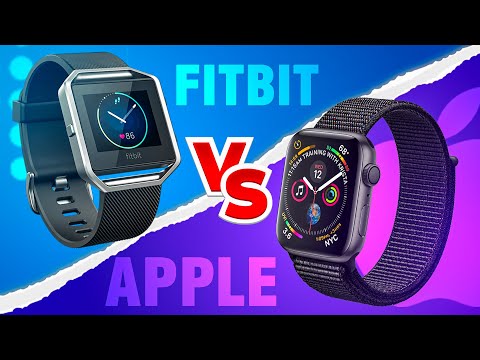
Two of the biggest players in this space are Fitbit and Apple Watch. Each offers unique features that can help you monitor your activity, sleep, and overall health. But which one truly supports your wellness goals? This article dives into that question.
We’ll explore how these devices measure everything from heart rate to calories burned. You’ll find comparisons on user-friendliness, accuracy, and even style. It’s like having a chat with a friend who cares about your health as much as you do.
Remember though—while we’re unpacking all this info, it’s important to know this content doesn’t replace medical advice. Always check in with a healthcare professional before making decisions about your wellness.
So let’s get started and find out which tracker might be the right fit for you!
A Side-by-Side Look at Fitness Trackers for Every Lifestyle
So, you’ve been thinking about fitness trackers, huh? Fitbit and Apple Watch are two of the most popular options on the market. Both have their unique perks and quirks, so let’s break them down.
Design and Comfort
The first thing to think about is design. The Apple Watch has a sleek, modern look that many folks love. It can feel more like a smartwatch rather than just a fitness tracker. On the other hand, Fitbits tend to be lighter and sometimes have a more sporty vibe.
If you’re someone who likes wearing tech all day, comfort matters. Some prefer the adjustable bands of Fitbit for casual wear, while others find Apple Watch’s style suits them better for everyday life.
Health Tracking Features
Both devices track steps, heart rate, sleep, and some even monitor stress levels. Fitbit’s sleep tracking is pretty detailed; it breaks down your sleep stages well. If you worry about quality shut-eye, this feature can be really handy.
The Apple Watch also offers advanced features like ECG (electrocardiogram) readings and blood oxygen monitoring. These are fancy terms but very useful if you’re keeping an eye on your overall cardiovascular health.
Apps and Ecosystems
Think about what ecosystem you’re already in—do you use iPhone or Android? If you’re an iPhone user, you’d probably benefit more from an Apple Watch since it integrates seamlessly with other Apple services like iMessage or Siri.
If you’re into fitness apps though—like MyFitnessPal or Strava—Fitbit shines by allowing easier syncing with various third-party apps. You know, it’s kinda helpful to see everything in one place!
Battery Life
This might sound silly but battery life can be crucial depending on how often you charge your devices. Generally speaking, Fitbits usually last longer between charges compared to the Apple Watch which needs more frequent recharging—usually every day or so.
If you’re often on-the-go or forgetful about charging things (who hasn’t gone out with a dead phone?), this could make a real difference in choosing your device!
Cost Considerations
The price point varies quite a bit too. Fitbits typically come at lower prices than Apple Watches. So if budget is important for you—or if you want something simple without bleeding cash—you might lean towards Fitbit.
You do get that stylish gadget with the Apple Watch though! It kinda feels like an investment as it combines fashion with functionality.
Final Thoughts
No fitness tracker is one-size-fits-all; your choice depends on lifestyle needs and preferences! Ask yourself what features matter most to you: deeper health insights? Sleeker designs? Or maybe just good old-fashioned step counting?
- If convenience tops your list of priorities: consider how often you’d wear it daily.
- If data tracking excites you: dive deep into those specific health metrics each device offers.
- Your ecosystem matters; if everything else is digital from one brand — stick with that brand!
In the end, both Fitbit and Apple Watch have their strengths! Whichever one you choose should align perfectly with how active or laid-back your lifestyle is.
Elevate Your Wellness Journey with Smart Insights and Personalized Tracking
Understanding Fitness Trackers: Fitbit vs. Apple Watch
When looking to improve your wellness journey, fitness trackers can be super helpful. They’re designed to monitor activity levels, sleep patterns, and even heart rate—like having a little coach on your wrist!
The Basics of Fitbit
Fitbit has been around for quite some time and is generally straightforward. Its main focus is on tracking physical activity like steps taken and calories burned.
You know how it’s like to get a badge for walking a certain number of steps? That’s one way Fitbit keeps users motivated. It offers various models, from simple step counters to more advanced ones that track heart rate and even blood oxygen levels.
The Apple Watch Advantage
Apple Watch isn’t just about fitness—it’s really an extension of your phone. Along with tracking workouts and daily movement, it integrates calls, messages, and other apps too.
If you want notifications while you’re exercising or need quick access to music, Apple Watch shines here. But this also means its battery life may not last as long compared to some Fitbit models.
Customization Options
Both devices offer personalization options but in different ways. For instance, Fitbit lets you set personal goals based on your own lifestyle. You can choose specific health data to focus on.
On the flip side, Apple Watch provides customizable watch faces that allow users to pick what information they see at a glance—like heart rate or weather updates.
User Experience
If simplicity is key for you, many find Fitbits easy to use right outta the box. However if you’re used to tech gadgets like a smartphone interface, then navigating through Apple Watch might feel more natural.
The Community Aspect
A big part of wellness is community support. Fitbit has social features where friends can encourage each other by sharing achievements or challenging one another in fitness activities.
This competitive side could give you that extra nudge when motivation wanes! In contrast, while the Apple ecosystem allows interaction through apps like Activity Sharing among friends who also have an iPhone or Apple device, it’s not it’s primary focus.
Your Wellness Goals Matter
Ultimately your choice should align with your personal wellness goals. If you want deep insights into daily activity with added motivation from community features—Fitbit might be great for ya!
If you’re seeking an all-in-one device that keeps you connected while working out—or love using various apps—then Apple Watch may suit your needs better.
A Final Thought
No matter which tracker you choose, remember these gadgets are tools meant to assist in enhancing your wellness journey. They can provide valuable insights but should complement healthy habits—not replace them!
Unleash Your Potential with Every Step
Fitbit vs. Apple Watch: Which Tracker Best Supports Wellness?
When it comes to fitness trackers, Fitbit and Apple Watch often come to mind. Both are super popular, but they have different features. So, how do you choose which one is the best for you? Let’s break it down.
Fitness Tracking
Fitbit is well-known for its focus on fitness tracking. It offers detailed insights into your steps, heart rate, and sleep patterns. It’s like having a personal coach on your wrist! The data from Fitbit can help you understand your activity level over time.
On the other hand, the Apple Watch includes fitness tracking too but pairs it with smart features. You can track workouts just like a Fitbit, but also receive notifications and music controls on the go. It’s like a mini smartphone that keeps an eye on your wellness.
User Experience
If you fancy simplicity, Fitbits tend to have a straightforward interface; anyone can pick it up and start using it right away. You know? Just tap and check your stats!
The Apple Watch might take a bit of getting used to. With various apps and functions, it’s more customizable but can be overwhelming at first glance. Think of it as entering a whole new world of possibilities.
Heart Health Features
Both devices offer heart rate monitoring—a key feature when talking about wellness! Fitbit gives continuous heart rate readings so you know when you’re in the fat-burning zone versus peak workout intensity.
The Apple Watch takes it up a notch by providing not just heart rate info but also ECG capabilities (that’s electrocardiogram). This helps detect irregular heart rhythms which could be really useful for some folks.
Sleeep Tracking
A good night’s sleep is essential for overall health! Fitbit’s sleep tracking is very detailed; with sleep stages like light or deep sleep shown clearly in the app!
The Apple Watch does track sleep too; however it’s not as focused on specific stages—more about how many hours you slept rather than breaking it down further.
Batterry Life
This might surprise you: Fitbit usually lasts longer between charges compared to an Apple Watch! Some models go several days without needing a plug-in while an Apple Watch typically needs daily charging.
Your Needs Matter
The choice between these two ultimately comes down to what you value most in a tracker. Are you looking for straightforward fitness insights or do you prefer more smart features alongside health tracking?
- If you want simple step counting & wellness metrics: Think Fitbit.
- If you’re after connectivity & extra functions: Go with Apple Watch.
Total comfort is key too! Try both out if possible—see which one fits better into your lifestyle because that’s what matters at the end of day!
In conclusion:
Both trackers provide valuable support for wellness journeys—they’re tools after all! It’s all about finding what syncs best with your routine and goals. So have fun exploring each one before making that final decision!
When considering wearable fitness trackers like Fitbit and Apple Watch, it’s essential to think about what you need from a wellness perspective. Both of these devices have unique features designed to help users monitor their health.
Fitbit is often recognized for its strong focus on fitness tracking. It excels in tracking steps, heart rate, and even sleep patterns. Many users appreciate its straightforward interface and battery life, which can last several days. Think of it like a dedicated coach that constantly reminds you to stay active.
On the other hand, the Apple Watch offers a broader range of functionalities. It integrates seamlessly with other Apple products and provides features such as notifications, apps for various activities, and even an ECG feature to monitor heart health. This makes it more than just a fitness tracker; it’s also a smartwatch aimed at enhancing everyday life.
However, the choice between them might depend on personal preference and lifestyle. For someone who prioritizes detailed health metrics and simplicity in design, Fitbit might be the better fit. In contrast, if you value having multiple functionalities beyond fitness alone and are already invested in the Apple ecosystem, then an Apple Watch could be ideal.
Ultimately, both devices support wellness but do so in slightly different ways. Evaluating your own goals—like losing weight or improving sleep—can help guide your decision. Personalization plays a big role here; after all, what works for one person may not work for another.