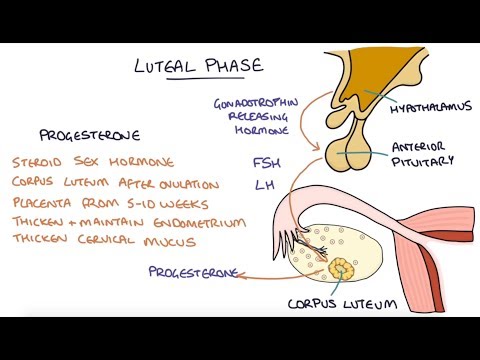
The menstrual cycle is a fascinating journey that plays a vital role in women’s health. One key phase of this cycle is the **follicular phase**. Understanding its length and significance can help you appreciate how your body works and make informed health choices.
During this phase, typically lasting from day one of menstruation to ovulation, your body prepares an egg for release. Imagine this like a garden, where the follicles are seeds being nurtured until they’re ready to bloom. The length can vary among individuals, but it generally lasts between 7 to 21 days.
Understanding the follicular phase is important not just for fertility awareness but also for overall well-being. It influences hormonal balance and can even affect mood and energy levels.
However, it’s essential to approach this topic with caution. The information surrounding menstrual cycles can be complex and varies significantly from one person to another. Always seek insights from various specialists, such as gynecologists or endocrinologists, and consult multiple resources—from reputable websites to informative books—before drawing conclusions about your own cycle or health decisions related to it. Knowledge empowers you; stay curious and informed!
The information provided in this article is intended solely for general informational and educational purposes. It does not constitute medical advice, diagnosis or professional treatment, and should not be considered a substitute for consultation with a qualified doctor or other licensed healthcare professional. Any health-related decisions should be made in consultation with accredited medical professionals.
While efforts have been made to ensure the information is accurate and up to date, no guarantees are given—either express or implied—regarding its accuracy, completeness, currency or suitability. Use of this information is at your own discretion.
It is strongly recommended to consult official sources such as the NHS (National Health Service) or other recognised medical institutions before acting on any information contained on this website or article. Under no circumstances should professional medical advice be ignored or delayed due to content read here.
This content is of a general and informational nature only. It is not intended to replace individualised guidance from a healthcare professional or to establish any doctor-patient relationship. The publication of this information does not imply any professional responsibility, guarantee or obligation on the part of the author or this site.
Unraveling the Mysteries of Your Menstrual Cycle’s First Half
Understanding the first half of your menstrual cycle can feel like unraveling a mystery. This phase is known as the follicular phase, and it plays a crucial role in your overall reproductive health.
The menstrual cycle typically lasts around 28 days, though it can vary for everyone. The follicular phase usually begins on the first day of menstruation and lasts until ovulation. This phase can last anywhere from 10 to 14 days, depending on the individual.
During this time, your body prepares for potential pregnancy. The pituitary gland in your brain releases a hormone called FSH (follicle-stimulating hormone). Think of FSH as an architect designing new buildings—these buildings are follicles in your ovaries.
Each follicle contains an immature egg. As FSH levels rise, several follicles start to grow, but usually only one becomes dominant and fully matures. This dominant follicle is like a VIP winner that gets ready to be released during ovulation.
One important thing to know is that estrogen levels also increase during this phase. Estrogen is like fertilizer for your body; it helps thicken the lining of the uterus, preparing it for possible implantation if fertilization occurs.
As you approach ovulation at the end of this phase, you might notice changes in your body. Symptoms often include increased energy or shifts in mood. Some people even notice changes in cervical mucus, which becomes clearer and more stretchy—like raw egg whites—indicating you’re nearing peak fertility.
Key points about the follicular phase:
It’s also fascinating to note that lifestyle factors such as diet, stress, and exercise can impact this phase. For instance, excessive stress may disrupt hormonal balance affecting how long this phase lasts.
Understanding these elements empowers you to track and recognize patterns within your own cycle better. This awareness can help you make informed decisions about health choices or family planning down the line.
In summary, while each person’s experience is unique, knowing more about the first half of your menstrual cycle lays important groundwork for understanding reproductive health overall. Engage with these cycles mindfully; they are a natural part of life’s rhythm!
Exploring the Impact of Cycle Length on Hormonal Health and Fertility
Understanding cycle length is essential for grasping hormonal health and fertility. The length of a menstrual cycle can vary greatly among individuals, typically ranging from 21 to 35 days.
The cycle consists of several phases, and the follicular phase is one of the most significant. This phase begins on the first day of menstruation and ends with ovulation. Its length can influence hormone levels, which play vital roles in overall well-being.
When we talk about hormonal health, it’s like tuning a musical instrument. If some notes are too sharp or flat, it affects the whole symphony. In a similar way, imbalances in hormones—like estrogen and progesterone—can affect your fertility and other aspects of health.
A longer follicular phase may indicate higher estrogen levels sooner in the cycle. This can lead to a stronger ovulatory response. Having a shorter phase might cause issues like insufficient hormone production, which could impact ovulation.
For those trying to conceive, understanding these dynamics is crucial. A healthy cycle helps ensure egg quality and timing for fertilization.
Consider these key points regarding cycle length:
It’s also important to note that lifestyle factors like stress, diet, and exercise can influence cycle length too. Just as keeping your car maintained helps it run smoothly, taking care of your body supports hormonal balance.
While variations are normal, consistently very long or very short cycles may warrant further investigation with a healthcare provider.
In conclusion, understanding the impact of follicular phase length on hormonal health is key for making informed decisions about your reproductive life. Awareness empowers you to monitor changes closely and seek support when needed—like having a reliable map on a journey through uncharted territory!
Unraveling the Signs of a Brief Follicular Phase in Your Cycle
The menstrual cycle is a fascinating process that involves various phases. One of these phases is the follicular phase. It starts on the first day of your period and lasts until ovulation.
In a typical cycle, the follicular phase can last anywhere from 10 to 14 days. However, some people may experience a brief follicular phase, meaning it lasts less than 10 days. Understanding this can help you track your cycle better.
A short follicular phase might lead to several signs. You may notice that your periods come more quickly or irregularly.
might also occur as hormones fluctuate more rapidly than usual.
It’s important to pay attention to physical symptoms. For example, some could feel more bloated or have breast tenderness sooner in their cycle. These signs may indicate that ovulation is approaching quicker than usual.
Hormonal imbalances are often at the root of a brief follicular phase. Stress, nutrition, and lifestyle choices can play significant roles here. Maintaining a healthy lifestyle can help stabilize hormone levels over time.
If you find your phases are consistently short, consider keeping a journal of your cycles. This data can be useful when discussing with someone about any irregularities.
Remember that everyone’s body is unique, and what’s normal for one person may not be for another. A brief follicular phase doesn’t necessarily mean something is wrong, but it’s always good to stay informed and observant.
However, if you have concerns about changes in your menstrual cycle or related symptoms, it’s wise to talk with someone who can help further investigate those issues.
The follicular phase is a crucial part of the menstrual cycle, typically lasting from day one of menstruation until ovulation. Understanding its length and significance can empower individuals to make informed decisions about their reproductive health.
Length of the Follicular Phase: This phase can vary widely among women, usually ranging from 10 to 17 days. Factors like age, stress, and overall health can influence this duration. Just as different plants flourish in various climates, every woman’s cycle is unique.
Significance: During the follicular phase, several follicles in the ovaries mature. The most dominant follicle produces higher levels of estrogen, preparing the body for ovulation. Think of this phase as the growth season for flowers; conditions need to be just right for blooming.
Recognizing variations in length can aid in identifying potential reproductive issues or hormonal imbalances. It’s essential to remember that while some irregularities may occur occasionally, significant deviations might warrant a discussion with a healthcare provider.
By understanding the follicular phase’s role and its variability, individuals can better navigate their reproductive journeys. This awareness fosters confidence and encourages proactive health management without jumping to conclusions or fearing common fluctuations. Knowledge truly is empowering when it comes to health choices.