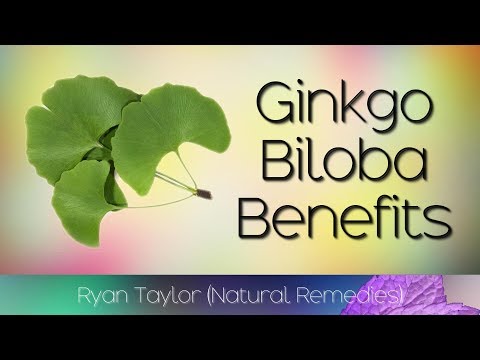
Ginkgo Biloba is a fascinating plant that’s been part of traditional medicine for centuries. Known for its fan-shaped leaves, this ancient tree has captured the attention of many due to its potential health benefits. It’s often touted for enhancing memory and improving circulation. Imagine it as a bridge connecting the past with our modern understanding of health.
People are increasingly turning to Ginkgo Biloba, intrigued by its promise to boost cognitive function and support overall wellness. It’s like finding a hidden gem in the world of herbal remedies. However, understanding how it works and what to expect is crucial for anyone considering it.
While Ginkgo Biloba can be beneficial, it’s important to approach it with caution. Always do your research and consult various sources, including healthcare professionals and reputable publications. This ensures you gather well-rounded information about its effects and uses. Remember, what works for one person may not work for another.
Lastly, listen to your body. Just as not every recipe suits every palate, supplements can affect individuals in different ways despite their popularity or historical use. Prioritize safety and informed decision-making on your health journey!
The information provided in this article is intended solely for general informational and educational purposes. It does not constitute medical advice, diagnosis or professional treatment, and should not be considered a substitute for consultation with a qualified doctor or other licensed healthcare professional. Any health-related decisions should be made in consultation with accredited medical professionals.
While efforts have been made to ensure the information is accurate and up to date, no guarantees are given—either express or implied—regarding its accuracy, completeness, currency or suitability. Use of this information is at your own discretion.
It is strongly recommended to consult official sources such as the NHS (National Health Service) or other recognised medical institutions before acting on any information contained on this website or article. Under no circumstances should professional medical advice be ignored or delayed due to content read here.
This content is of a general and informational nature only. It is not intended to replace individualised guidance from a healthcare professional or to establish any doctor-patient relationship. The publication of this information does not imply any professional responsibility, guarantee or obligation on the part of the author or this site.
Exploring the Benefits and Risks of a Timeless Herbal Remedy
Ginkgo biloba is an herbal remedy that has been used for centuries. Many people look to it for a range of potential health benefits. However, like any remedy, it comes with its own set of risks.
Benefits of ginkgo biloba are often highlighted in discussions. Some studies suggest it may help with memory and cognitive function, especially in older adults. Think of it like oil for an old machine; it might keep things running smoothly.
Research also points to its possible role in improving circulation. Better blood flow can be compared to watering plants more effectively; healthier delivery means better nourishment.
Another area of interest is ginkgo’s use for anxiety and mood enhancement. Many users report feeling calmer or more focused. It’s as if adding a calming scent to a busy room—it helps create a more pleasant atmosphere.
However, it’s important to recognize the risks. Ginkgo can interact with certain medications, like blood thinners. This could lead to increased bleeding risk—think about how a small cut can bleed more if a person is on such medication.
Some side effects have also been reported, including headaches and stomach upset. While these may seem minor, they can affect daily life significantly.
Understanding both the benefits and risks helps promote informed choices. Just as you wouldn’t drive without knowing the rules of the road, make sure you’re aware before trying new remedies like ginkgo biloba.
In conclusion, ginkgo biloba offers some interesting possibilities but comes with caveats too. Educating yourself empowers you to navigate these options responsibly while ensuring your health remains your top priority.
Discover How This Ancient Herb Can Enhance Your Health and Well-Being
Ginkgo biloba is an ancient herb with a long history of use. It has been part of traditional medicine for thousands of years, especially in China. People often turn to it for various health benefits, primarily related to brain function and circulation.
The leaves of the ginkgo tree contain compounds called flavonoids and terpenoids. These substances are thought to improve blood flow and protect cells from damage. You can think of them as tiny superheroes that help support your body.
Many people use ginkgo biloba in hopes of enhancing memory and concentration. Some studies suggest it might be helpful for people experiencing age-related cognitive decline. However, results can be mixed, and not everyone may see the same effects.
It’s also believed that ginkgo could help with anxiety and depression. Some individuals report feeling more relaxed after taking it. Again, more research is needed to fully understand its impact on mood.
When considering ginkgo biloba, it’s important to keep a few things in mind:
This herb can interact with various medications, particularly blood thinners. So, understanding its potential interactions is crucial before adding it to your routine.
As with any supplement or herbal remedy, staying informed is key. Keep an open mind but approach it critically – not all claims about ginkgo biloba may be scientifically supported.
In conclusion, ginkgo biloba offers intriguing possibilities for health enhancement. It’s been used historically for brain health and circulation but requires careful consideration before use. Always prioritize balanced information over hype when exploring this ancient herb’s benefits.
Exploring the Benefits and Applications of Ginkgo in Everyday Life
Ginkgo biloba, often simply called ginkgo, is a unique tree known for its fan-shaped leaves. This ancient plant has been used for centuries in traditional medicine. Nowadays, it’s gaining popularity in everyday life for various potential benefits.
One of the most talked-about uses of ginkgo is its possible effect on brain health. Some studies suggest that it might help improve memory and cognitive function. Imagine ginkgo as a gentle workout for your brain, possibly helping it stay sharp.
Another area where ginkgo shines is circulation. The leaves contain compounds that may support blood flow. Good circulation can be likened to having clear highways for oxygen and nutrients to reach all parts of the body efficiently.
Ginkgo is also explored for its potential role in managing anxiety. Some people find that using ginkgo supplements helps them feel calmer and more balanced in stressful situations. Consider it like a comforting cup of tea on a hectic day.
However, it’s important to approach ginkgo with care. Like any supplement, it may not work the same way for everyone. Side effects can occur, including headaches or digestive issues. Always pay attention to how your body reacts.
When considering incorporating ginkgo into your routine, look for high-quality supplements from reputable sources. This ensures you’re getting a product that’s well-made and safer to use.
Here are some tips:
Remember that while ginkgo may offer certain benefits, it’s not a magic solution for health issues. It’s always wise to combine any supplement with a balanced diet and healthy lifestyle choices.
In summary, exploring the benefits of ginkgo can be an interesting journey into natural wellness. Just keep an open mind and listen to your body along the way!
Ginkgo biloba, one of the oldest living tree species, has been used for centuries in traditional medicine. Its leaves contain flavonoids and terpenoids, which are believed to provide various health benefits. Many people take Ginkgo supplements with hopes of enhancing memory and cognitive function.
However, it’s important to approach Ginkgo with a balanced perspective. Research shows mixed results regarding its effectiveness for conditions like dementia or anxiety. While some studies suggest it may improve cognitive performance in healthy individuals or those with age-related decline, others find no significant benefits.
When considering Ginkgo biloba, safety should be paramount. It can interact with blood thinners and other medications, increasing the risk of bleeding. Side effects such as headaches, dizziness, and digestive issues have also been reported.
To harness its potential benefits safely:
In summary, while Ginkgo biloba may offer some advantages for cognitive health, it’s essential to use it wisely and stay informed about both its benefits and risks. Critical thinking is key—don’t rely solely on anecdotal evidence or marketing claims; instead, look for reliable information to guide your choices.