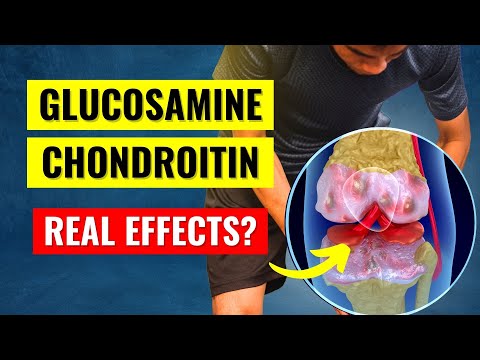
Glucosamine and chondroitin are two natural compounds found in the body that play a key role in building cartilage—the cushion between our bones. As we age, this cartilage can wear down, leading to discomfort and conditions like osteoarthritis. Many people turn to glucosamine and chondroitin supplements in hopes of easing their joint pain and improving mobility.
Curiosity about these supplements has surged over the years. Some studies suggest they may help reduce inflammation and slow the progression of joint damage, while others show mixed results. Understanding how these supplements work—and whether they’re right for you—can make all the difference in managing joint health.
However, it’s essential to approach glucosamine and chondroitin with a discerning mind. Supplements can interact with medications or have side effects, especially for individuals with specific health conditions like shellfish allergies or diabetes.
Before starting any new supplement regimen, it’s crucial to inform yourself through different specialists and reputable sources. Don’t rely solely on one opinion; gather various perspectives to make an informed choice about your health.
The information provided in this article is intended solely for general informational and educational purposes. It does not constitute medical advice, diagnosis or professional treatment, and should not be considered a substitute for consultation with a qualified doctor or other licensed healthcare professional. Any health-related decisions should be made in consultation with accredited medical professionals.
While efforts have been made to ensure the information is accurate and up to date, no guarantees are given—either express or implied—regarding its accuracy, completeness, currency or suitability. Use of this information is at your own discretion.
It is strongly recommended to consult official sources such as the NHS (National Health Service) or other recognised medical institutions before acting on any information contained on this website or article. Under no circumstances should professional medical advice be ignored or delayed due to content read here.
This content is of a general and informational nature only. It is not intended to replace individualised guidance from a healthcare professional or to establish any doctor-patient relationship. The publication of this information does not imply any professional responsibility, guarantee or obligation on the part of the author or this site.
Unlocking Joint Health: Discover How Glucosamine and Chondroitin Can Transform Your Well-Being
Joint health is something many of us care about, especially as we age. It affects how we move, exercise, and enjoy life. Two popular supplements for joint health are glucosamine and chondroitin. Let’s break down what these are and how they might help.
Glucosamine is a natural compound found in cartilage. Cartilage is the cushioning between bones in your joints. Think of it like the shock absorbers in a car. As we age, our bodies may produce less glucosamine, which can affect joint function.
Chondroitin is often paired with glucosamine. It helps retain moisture in cartilage and promotes elasticity. Imagine it as the sponge that holds water to keep things cushioned.
Many people take these supplements to support joint health, especially those with osteoarthritis. This condition occurs when cartilage breaks down over time, causing pain and stiffness.
There’s evidence suggesting that glucosamine and chondroitin may help reduce joint pain and improve mobility for some individuals. In some studies, people reported feeling better after taking these supplements over several months.
However, it’s important to remember that results can vary widely among individuals. Not everyone will experience benefits from glucosamine or chondroitin.
When considering these supplements, here are some key points to ponder:
Another factor to consider is that research on glucosamine and chondroitin isn’t conclusive for everyone. Some studies show benefits while others do not find significant effects.
Ultimately, maintaining joint health goes beyond just taking supplements. Regular exercise, staying at a healthy weight, and eating a balanced diet rich in nutrients can also play important roles.
In summary, while glucosamine and chondroitin could provide support for some people dealing with joint issues, they’re not miracle workers. Think of them as part of a broader strategy for maintaining your physical well-being over time.
It’s always good practice to question what you read regarding health claims—look for credible sources and engage with professionals who can guide you appropriately on your personal journey toward better health.
Uncovering the Hidden Drawbacks of Glucosamine Supplements
Glucosamine supplements have been popular for joint health, especially among those with arthritis. Many people believe they help relieve pain and improve mobility. However, it’s essential to look deeper into the potential drawbacks.
First, the evidence on glucosamine’s effectiveness is mixed. Some studies show modest benefits while others find no significant improvement in symptoms. This inconsistency can make it hard to know if they’re worth trying.
Side effects are another concern. Though often mild, they can include stomach upset, diarrhea, or heartburn. For some individuals, these side effects might outweigh any potential benefits.
There’s also the issue of sourcing. Glucosamine is primarily derived from shellfish. This raises questions for those with shellfish allergies or dietary restrictions.
Moreover, the supplements market isn’t well-regulated. Products may contain varying amounts of glucosamine than what’s stated on the label. It’s possible to consume too little or too much without knowing.
Another thing to consider is interactions. Glucosamine can interact with other medications, particularly blood thinners. This could lead to unintended consequences if not monitored closely.
Lastly, relying solely on supplements can divert attention from other key approaches like exercise and weight management. Both are crucial for maintaining joint health but often overlooked in favor of a quick fix.
In summary, while glucosamine supplements may seem appealing for joint pain relief, it’s important to weigh their hidden drawbacks carefully. Always consider discussing any supplement use with a healthcare provider to ensure it’s appropriate for your individual situation.
Exploring the Daily Benefits and Risks of Glucosamine Chondroitin
Glucosamine and chondroitin are two popular supplements often discussed for joint health. People commonly use them to potentially ease discomfort from conditions like osteoarthritis. But what are their daily benefits and risks?
Benefits:
While some find relief, results can be mixed. Not everyone experiences the same benefits. Some studies show little effect, emphasizing that individual responses vary.
Risks:
Another point of consideration is that glucosamine and chondroitin aren’t regulated like medications. Quality can differ between brands, making it hard to know what you’re really getting.
It’s also essential not to use these supplements as a substitute for traditional therapies or medications prescribed by a healthcare provider.
Some myths surround glucosamine and chondroitin. One common belief is that they “cure” arthritis—this isn’t backed by solid evidence. They may help with symptoms but aren’t a replacement for comprehensive care.
As with any supplement, it’s always wise to discuss things with someone knowledgeable about your health before starting new products. Knowledge leads to informed choices, an approach we should all strive for in our health journey.
To summarize: glucosamine and chondroitin can offer benefits but may also carry risks; it’s crucial to stay informed and cautious when considering their use in your daily routine.
Glucosamine and chondroitin are often marketed as natural supplements to support joint health, particularly for those with osteoarthritis. Understanding these compounds can help individuals make informed decisions about their use.
Uses: Glucosamine is a compound found in cartilage, while chondroitin is a substance that helps retain water in this tissue. Together, they are believed to support cartilage repair and reduce inflammation.
Benefits: Some studies suggest that these supplements may offer pain relief and improved function for people with osteoarthritis. Think of it like a lubricant for a squeaky door; it might help ease discomfort and improve mobility.
Risks: While generally considered safe, glucosamine and chondroitin can have side effects such as gastrointestinal discomfort or allergic reactions. It’s essential to consult healthcare professionals before starting any new supplement regimen.
In summary, while there may be potential benefits from glucosamine and chondroitin, it’s crucial to approach their use critically. Not everyone will experience the same effects, and further research is needed to fully understand their role in joint health. Always prioritize a conversation with your healthcare provider before trying new treatments.