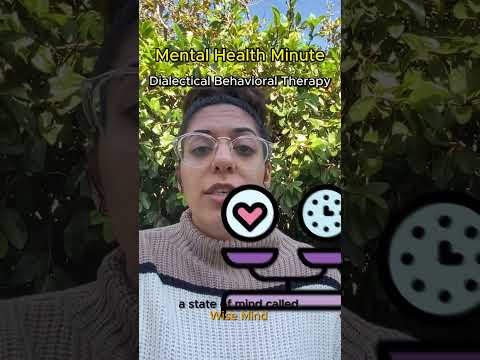
Healing your mind is a journey, and one powerful tool for this path is Dialectical Behavioral Therapy (DBT). Imagine trying to balance on a seesaw: on one side, we have our intense emotions, and on the other, the urge to respond with logic. DBT helps us find that perfect balance, teaching us how to embrace our feelings while also understanding and managing them. Through practical skills like mindfulness and emotional regulation, DBT encourages self-discovery and healthier relationships.
But before embarking on this transformative journey, it’s crucial to approach it with caution. DBT is not a one-size-fits-all solution. Individual experiences and needs vary greatly. It’s essential to consult various specialists—therapists, psychologists, or counselors—who can guide you based on your unique situation. Also, seek information from diverse sources—books, reputable websites, or community support groups—to better understand DBT’s potential benefits and limitations.
Curiosity is your best friend in this adventure of healing. Ask questions, explore options, and gather knowledge that will empower you in making informed decisions about your mental health journey!
The information provided in this article is intended solely for general informational and educational purposes. It does not constitute medical advice, diagnosis or professional treatment, and should not be considered a substitute for consultation with a qualified doctor or other licensed healthcare professional. Any health-related decisions should be made in consultation with accredited medical professionals.
While efforts have been made to ensure the information is accurate and up to date, no guarantees are given—either express or implied—regarding its accuracy, completeness, currency or suitability. Use of this information is at your own discretion.
It is strongly recommended to consult official sources such as the NHS (National Health Service) or other recognised medical institutions before acting on any information contained on this website or article. Under no circumstances should professional medical advice be ignored or delayed due to content read here.
This content is of a general and informational nature only. It is not intended to replace individualised guidance from a healthcare professional or to establish any doctor-patient relationship. The publication of this information does not imply any professional responsibility, guarantee or obligation on the part of the author or this site.
Understanding the Power of Pause in Emotion Regulation
Emotions are powerful. They can shape your day, influence your decisions, and impact your relationships. Learning to manage these emotions is key to well-being.
One effective strategy for this is the “power of pause.” This simply means taking a moment before reacting emotionally. Think of it like hitting the brakes in a car. It gives you time to think.
When you feel overwhelmed, try pausing to breathe deeply. This helps calm your mind and body. Taking a few deep breaths can slow down racing thoughts and intense feelings.
Here are some benefits of this pause:
Dialectical Behavioral Therapy (DBT) emphasizes this skill. It teaches you how to balance emotions with rational thinking.
Imagine you’re at a party and someone makes a comment that upsets you. Instead of reacting right away, use the power of pause. Take a few deep breaths before responding. This moment can help prevent misunderstandings or conflicts.
It’s also important to recognize triggers—situations that evoke strong emotions for you. By knowing your triggers, you can prepare yourself for moments when pausing might be necessary.
Remember, mastering the power of pause takes practice. Be gentle with yourself as you learn this skill.
Also consider journaling about your emotions after moments when you’ve paused and reflected. Writing things down can provide clarity and help reinforce what you’ve learned about managing feelings.
In summary, the power of pause is a valuable tool for emotional regulation. It allows time for thought rather than knee-jerk reactions.
As always, it’s good to explore these methods with support from friends or family or consider professional guidance if needed—especially if you’re struggling with difficult emotions regularly.
Ultimately, everyone has the capacity to learn new ways of handling their feelings over time—a journey worth taking!
Exploring the Transformative Impact of Dialectical Behavior Therapy on Your Mind
Dialectical Behavior Therapy (DBT) has gained recognition for its potential to support mental health. It’s not just a treatment; it can be a transformative experience for many individuals.
At its core, DBT is about balancing acceptance and change. Think of it like walking a tightrope. On one side, you have your current feelings and behaviors. On the other, you have the changes you want to make. DBT helps you find that balance.
One of the key components of DBT is mindfulness. Mindfulness encourages being present in the moment without judgment. It’s like watching clouds float by—acknowledging their presence without trying to control them.
Another important part is emotion regulation. This teaches skills to understand and manage strong emotions more effectively. Imagine learning to ride a wave instead of being pulled under by it.
DBT also emphasizes interpersonal effectiveness. This means learning how to communicate your needs clearly and build healthier relationships with others. Think of it as learning a new language that helps express your feelings better.
Distress tolerance is another skill taught in DBT. It’s all about managing crises without making things worse—like having an umbrella during a rainstorm instead of getting soaked.
Many people report feeling more connected after undergoing DBT, as they learn to accept themselves while aiming for personal growth. This dual approach can foster resilience over time.
It’s essential to recognize that while many benefit from DBT, it’s not a one-size-fits-all solution. Each person’s journey with mental health is unique.
If you’re curious about exploring this therapy, consider reaching out for guidance from qualified professionals who can provide tailored support based on your individual needs.
In summary, Dialectical Behavior Therapy can be a valuable tool for those looking to deepen their understanding of themselves and improve their emotional well-being through balance and skill-building.
Unlocking Emotional Resilience: Discover the Essential DBT Strategies for Lasting Change
Emotional resilience is the ability to bounce back from stress, trauma, and tough times. It’s like having a mental shield that helps you navigate life’s challenges.
One effective way to build this resilience is through Dialectical Behavioral Therapy (DBT). DBT combines cognitive-behavioral techniques with mindfulness. It’s designed to help individuals manage emotions and improve relationships.
Here are some essential DBT strategies:
Understanding these strategies can lead to lasting changes in how we handle difficulties. However, it’s important to approach them with patience and practice.
Many people wonder if DBT is just for those with severe issues or mental health diagnoses. In truth, anyone can benefit from its principles. Life can be demanding for everyone.
Remember, emotional resilience doesn’t mean you’ll never feel hurt or stressed. It’s about developing tools that will help you cope better when those feelings arise.
It’s also important to note that while DBT offers many benefits, it may not be suitable for everyone or every situation. Always consider seeking guidance tailored specifically for your needs.
In summary, unlocking emotional resilience through DBT strategies requires awareness, practice, and courage. Embrace each step on this journey toward greater emotional well-being!
Dialectical Behavior Therapy (DBT) is an innovative therapeutic approach designed to help individuals manage intense emotions and improve relationships. It combines cognitive-behavioral techniques with mindfulness strategies, allowing a person to cultivate awareness of their thoughts and feelings while also addressing harmful behaviors.
One of the core features of DBT is its focus on dialectics, which emphasizes finding balance between opposing forces. For example, it encourages clients to accept their current situation while striving for change. This dual approach fosters greater emotional resilience and flexibility.
Through skills training in areas such as mindfulness, distress tolerance, emotion regulation, and interpersonal effectiveness, individuals can learn practical tools to navigate life’s challenges. Mindfulness helps them stay present, while distress tolerance equips them to handle crises without resorting to negative coping mechanisms.
Additionally, DBT’s emphasis on validation reassures individuals that their feelings are understandable and worthy of attention. This compassionate perspective often creates a safe space for healing.
Ultimately, DBT offers a structured path toward mental wellness. It empowers individuals not only to cope with their experiences but also to transform them into opportunities for growth. By understanding the principles behind DBT, people can make informed choices about their mental health journey and foster healthier relationships with themselves and others.