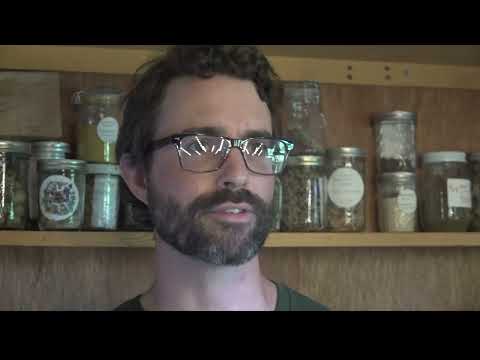
Herbalists have been around for centuries, blending the art of understanding plants with the science of healing. Imagine walking through a lush forest, where each leaf and flower holds secrets waiting to be revealed. Herbalists tap into those secrets, using nature’s bounty to promote wellness and balance in our bodies. The practice involves more than just picking leaves; it requires knowledge of plant properties, human anatomy, and the interplay between them.
Plants have compounds that can support health in various ways—think of ginger for digestion or chamomile for relaxation. Herbalists study these connections not just to treat symptoms but to enhance overall vitality. It’s like being a chef in a vast kitchen of nature, crafting remedies that nourish the body and soul.
However, it’s essential to approach herbal healing with caution. While many plants offer benefits, not all remedies are safe for everyone. Consulting with qualified healthcare professionals is crucial, as they can provide insights tailored to individual needs. Additionally, misinformation can easily spread about herbs and their effects. Always seek advice from various specialists and reputable sources before trying new remedies.
By exploring the world of herbalism with curiosity and care, you can discover how plants might complement your path to better health—just remember that informed choices lead to safer outcomes!
The information provided in this article is intended solely for general informational and educational purposes. It does not constitute medical advice, diagnosis or professional treatment, and should not be considered a substitute for consultation with a qualified doctor or other licensed healthcare professional. Any health-related decisions should be made in consultation with accredited medical professionals.
While efforts have been made to ensure the information is accurate and up to date, no guarantees are given—either express or implied—regarding its accuracy, completeness, currency or suitability. Use of this information is at your own discretion.
It is strongly recommended to consult official sources such as the NHS (National Health Service) or other recognised medical institutions before acting on any information contained on this website or article. Under no circumstances should professional medical advice be ignored or delayed due to content read here.
This content is of a general and informational nature only. It is not intended to replace individualised guidance from a healthcare professional or to establish any doctor-patient relationship. The publication of this information does not imply any professional responsibility, guarantee or obligation on the part of the author or this site.
Exploring the Ancient Wisdom and Practices of Nature’s Healers
Exploring herbalism offers a fascinating glimpse into how ancient cultures utilized plants for healing. Herbalists have been around for thousands of years, drawing on nature’s bounty to treat various ailments.
Plants possess unique compounds that can support health in different ways. For example, some herbs have anti-inflammatory properties, while others can help with digestion or relaxation. The variety is vast and each plant carries its own set of benefits.
Traditional herbal practices often emphasize a holistic approach. This means considering the whole person—body, mind, and spirit—when selecting plants for treatment. Think of it like tuning a musical instrument; everything must be in harmony for the best sound.
Many modern scientists are now studying these ancient practices. They are investigating how certain herbs work and if their uses align with current medical knowledge. This blend of tradition and science adds rich layers to our understanding of health.
When approaching herbal remedies, an important concept is dosage. Just like cooking, the right amount can make a dish delicious while too much can ruin it. Herbalists often customize dosages based on individual needs and conditions.
It’s also crucial to remember that not all herbs are safe for everyone. Some may interact with medications or be unsuitable during pregnancy. Therefore, seeking guidance from knowledgeable sources is wise when exploring herbal options.
Additionally, understanding the origins of these practices helps debunk myths associated with them. Not every plant is magical; some are simply effective due to their properties or how they are used in conjunction with other treatments.
In many cultures today, there’s a growing interest in herbalism as people seek more natural solutions for health challenges. This curiosity encourages discussions about wellness that blend old wisdom with new research.
Exploring nature’s healers opens up pathways to knowledge about health that your ancestors relied upon as well as insights backed by modern science. By keeping an open mind and being informed, you can appreciate both the art and science behind herbal healing approaches.
Ultimately, becoming educated about herbs encourages informed decisions about your health journey while respecting traditional practices that have stood the test of time. Let this exploration inspire you to connect more deeply with nature’s gifts while ensuring you prioritize safety and knowledge in your choices.
Unveiling Nature’s Ultimate Remedy for Body and Soul
Herbal medicine has been used for centuries, drawing on nature’s abundance to support health and well-being. This practice blends art and science, as it covers a wide range of plants and their effects on the body and mind.
People often turn to herbs for various reasons. Some seek relief from ailments, while others look for ways to boost vitality or enhance their mood. The beauty of herbalism lies in its versatility.
Nature provides us with a rich diversity of plants, each with unique properties. For example:
The effectiveness of these herbs can be influenced by many factors, including the quality of the plant, how it’s prepared, and individual health conditions.
While herbs offer potential benefits, they aren’t magic solutions. Proper understanding is key. Just because something is natural doesn’t always mean it’s risk-free.
It’s also important to note that some herbal remedies may interact with medications or have side effects. Always approach herbal remedies thoughtfully and consider discussing them with a knowledgeable source if you use other treatments.
One fascinating aspect of herbalism is its holistic approach. Instead of treating isolated symptoms, herbalists often consider the whole person—body, mind, and spirit. This means looking at lifestyle factors like diet, stress levels, and emotional well-being.
In summary, exploring the world of herbalism invites us to reconnect with nature’s offerings. With curiosity and care, one can appreciate how plants contribute not only to physical health but also to emotional balance.
Remember: informed choices are crucial in any journey towards wellness. Engaging in research or connecting with experienced individuals can enrich your understanding of these natural remedies.
Uncovering the Roots of Nature’s Healing Wisdom
Understanding herbalism gives us a glimpse into nature’s wisdom. Herbalists use plants for healing, bridging traditional practices with modern science.
Throughout history, humans have relied on plants for health. Ancient civilizations used herbs to treat ailments and promote wellness. This has led to generations of knowledge about which plants can help with various issues.
Herbal medicine is not just an art; it’s also a science. Research today validates some of these age-old uses. Scientists study the active compounds in plants to understand how they work within our bodies.
For instance, consider ginger. It’s often used to ease nausea and indigestion. Studies show that ginger contains compounds that may help reduce inflammation in the stomach.
Here are some key points about herbalism:
It’s crucial to understand that just because a plant is natural doesn’t mean it’s entirely risk-free. Some herbs can cause side effects or interact with medications. Always do your homework before trying something new.
Ethics play a role too. Sustainable harvesting and respecting local ecosystems are important to ensure these resources remain available for future generations.
Many people turn to herbal remedies out of curiosity or as a complement to conventional medicine. It’s essential that this exploration is done responsibly and with adequate research.
In summary, herbalism offers rich insights into how we can use nature for health purposes, but it requires respect and understanding of both the potential benefits and risks involved. Always approach herbal remedies with an open mind but also a level of caution, thinking critically about their use in your wellness journey.
The exploration of “Herbalists: The Art and Science of Plant Healing” provides a unique intersection between tradition and modern science. Herbalism taps into centuries-old practices that highlight our relationship with nature, emphasizing the use of plants for healing.
One key takeaway from this study is the balance between the art and science in herbalism. Art refers to the intuitive knowledge and cultural wisdom passed down through generations, while science incorporates evidence-based research validating the efficacy of various herbs. This duality enriches our understanding of health and wellness.
Moreover, learning about herbalism encourages respect for nature’s complexity. Plants contain numerous compounds that can interact with our bodies in intricate ways. Understanding these interactions requires rigorous research and a keen sense of individual patient needs.
This reflection also underscores the importance of being informed consumers. While many turn to herbal remedies, it’s essential to critically evaluate their use alongside conventional treatments. Not all herbs are safe or effective for every individual, highlighting the need for personal responsibility in health decisions.
In conclusion, studying herbalism is not just about using plants as medicine; it’s a reminder that healing is a multifaceted journey combining tradition, scientific inquiry, and personal care. Engaging with these concepts fosters informed choices that honor both our history and future in health practices.