The information provided in this article is intended solely for general informational and educational purposes. It does not constitute medical advice, diagnosis or professional treatment, and should not be considered a substitute for consultation with a qualified doctor or other licensed healthcare professional. Any health-related decisions should be made in consultation with accredited medical professionals.
While efforts have been made to ensure the information is accurate and up to date, no guarantees are given—either express or implied—regarding its accuracy, completeness, currency or suitability. Use of this information is at your own discretion.
It is strongly recommended to consult official sources such as the NHS (National Health Service) or other recognised medical institutions before acting on any information contained on this website or article. Under no circumstances should professional medical advice be ignored or delayed due to content read here.
This content is of a general and informational nature only. It is not intended to replace individualised guidance from a healthcare professional or to establish any doctor-patient relationship. The publication of this information does not imply any professional responsibility, guarantee or obligation on the part of the author or this site.
Have you ever thought about what happens during a heart attack? It’s scary, right? Each year, millions face this life-threatening event. The shock can be overwhelming, both for the person experiencing it and their loved ones.
But here’s something that might surprise you: a simple device called a life vest can actually make a difference. This isn’t just for boats or swimming pools. In cardiac care, it serves as an extra layer of protection. Essentially, it monitors your heart and can deliver an electric shock if needed.
This article dives into how a life vest works and why it matters so much after a heart attack. Understanding its role could provide peace of mind for someone in recovery or caring for someone at risk.
Remember, this information is not a substitute for professional medical advice. Health decisions are important and should always involve guidance from healthcare experts.
Essential Tips for Staying Safe and Comfortable in Your Zoll Life Vest
Understanding the Zoll Life Vest
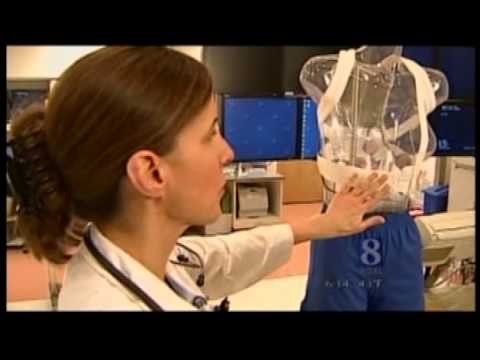
The Zoll Life Vest is a wearable device designed for people who are at risk of sudden cardiac arrest. It’s like having a heart monitor and defibrillator right on your body. You wear it under your clothes, which means you can go about your daily life while still being protected.
How Does It Work?
The vest continuously checks your heart rhythm. If it detects something wrong, it can deliver an electric shock to restore a normal heartbeat. Think of it like a superhero cape that swoops in when you need help the most.
Staying Safe with the Vest
- Wear it properly: Make sure the straps are snug but not too tight. You want to be comfortable without restricting movement.
- Know when to call for help: If you feel unwell or have symptoms like chest pain or shortness of breath, don’t hesitate to reach out for assistance.
- Keep batteries charged: The vest needs power to function. It’s important to check the battery regularly, just like you would with any other electronic device.
Comfort Considerations
You might wonder if wearing this vest is uncomfortable. Honestly, many users find they get used to it over time. Choose loose clothing over tighter outfits for extra comfort while wearing the vest.
If you’re going out, plan ahead! Wearing layers helps hide the vest without compromising on style or comfort.
Caring for Your Life Vest
- Regular cleaning: Wipe down the exterior with a damp cloth to keep it fresh and functional.
- Avoid sun exposure: Keep it out of direct sunlight when you’re not wearing it; too much heat can affect performance.
- Follow manufacturer guidelines: Always refer back to the user manual for specific care instructions—it’s there for a reason!
Mental Preparation
This might sound strange, but getting used to having this device can take time—don’t rush yourself! Talk about any fears or concerns with friends or family who understand this experience.
If someone mentions feeling anxious about their health situation while using the life vest, encourage them that seeking support from loved ones can make all the difference too.
Your Safety Net
The Zoll Life Vest doesn’t replace good medical care or healthy lifestyle choices—it’s simply an extra layer of protection during challenging times. Remember that understanding how it works and following these tips can boost your confidence as you navigate daily life with this device on board!
Understanding the Best Heart Support Options for Your Health
Understanding Heart Support Options
Heart health is super important, right? So, when we talk about heart support options, we’re looking into ways to keep our hearts ticking strong. One fascinating product that comes up is the Life Vest. It’s not just a flotation device; it can actually help after a heart attack.
What is a Life Vest?
A Life Vest is a wearable defibrillator. Think of it like an extra layer of protection for your heart. It’s designed for people who are at risk of sudden cardiac arrest. The cool part? It monitors your heart continuously and can shock it back into rhythm if needed.
Who Might Need a Life Vest?
If someone has had a heart attack, they might be worried about going through that experience again. A Life Vest provides peace of mind during recovery. It’s like having a safety net while you’re getting back on your feet.
How Does It Work?
The device senses abnormal heart rhythms, called arrhythmias, which can lead to serious complications. When it detects something wrong, it sends out an electric shock to try and restore normal rhythm. Imagine it as being like a fire extinguisher for your heart—ready to act in case of emergency!
The Importance of Being Proactive
The thing is, caring for your heart shouldn’t stop at wearing devices like the Life Vest. Lifestyle changes play a huge role too. Eating well, exercising regularly and managing stress are all keys to better heart health.
Considerations Before Using a Life Vest
- Consult with Your Healthcare Team: Always discuss with healthcare professionals before deciding on using any device.
- Comfort: Some people find wearing the vest uncomfortable or awkward initially.
- Lifestyle Impact: Think about how your daily routine may change with this new accessory.
The Takeaway
A Life Vest can be a vital tool in the aftermath of a heart attack but think of it as one part of an overall strategy for better health rather than an instant fix all by itself. Balancing medical options with healthy lifestyle choices creates the best pathway forward!
This combo approach supports both physical recovery and emotional well-being too—you know? Remember to stay connected with those around you during this journey because love and support make all the difference.
Uncovering Safety Myths and Essential Facts You Need to Know
Understanding Heart Attacks
Heart attacks happen when blood flow to the heart is blocked. This blockage can be caused by various factors like clogged arteries or a blood clot. When the heart doesn’t get enough oxygen-rich blood, it can lead to serious damage.
Imagine your heart as a busy highway. If there’s an accident or blockage, traffic gets backed up, right? Similarly, when blood can’t flow freely to your heart muscle, it can create chaos in your body.
The Importance of Immediate Action
If you suspect someone is having a heart attack, every second counts. That’s where calling emergency services comes in. The sooner help arrives, the better chances one has for recovery.
Sometimes people think they can rest it off or ignore symptoms. This can be a huge mistake; waiting too long might worsen the situation.
The Role of Life Vests After a Heart Attack
You might be asking yourself: What does a life vest have to do with a heart attack? Well, look: life vests are designed to keep people afloat in water. In analogy, they act as safety tools for those who might struggle after a medical event like a heart attack.
A person recovering from such an event may feel weak or dizzy at times—kind of like being lost at sea without support. A life vest provides that necessary buoyancy and stability during recovery.
Myths About Using Life Vests
- Myth: Life vests are only for emergency situations in water.
- Fact: While primarily used in boating or swimming contexts, they symbolize safety and security during weakened states after serious health events.
- Myth: Wearing one means you’re definitely going back into the water soon.
- Fact: It could just mean that you’re being proactive about your health and safety while recovering!
The Benefits of Monitoring Your Condition
This is where devices come into play today. You know those smartwatches that track heart rate? They’re kind of like having an inner life vest! Monitoring how well your heart is doing post-heart attack helps you stay vigilant about changes in your condition.
This data allows both you and your healthcare team to make informed decisions on how best to move forward with recovery plans.”
The Takeaway
Navigating post-heart attack care involves understanding risk factors and recognizing signs of potential complications. While life vests themselves don’t treat any condition directly, their concept serves as an important reminder—support & preparedness matter immensely during challenging times.
If you’re feeling unsure about what you need for recovery after such incidents – talk openly with healthcare professionals who can guide you thoughtfully through this journey!
Life vests, or wearable defibrillators, play a crucial role in emergency heart situations. They’re designed to provide a shock to the heart if it goes into a dangerous rhythm after a heart attack. This is often called ventricular fibrillation, which is when the heart quivers instead of pumping.
Imagine your heart as a team trying to work together. If some players forget their roles and start moving erratically, the whole team suffers. A life vest can act like a coach that intervenes at just the right moment. It detects when something’s wrong and delivers an electric shock to restore normal rhythm.
The statistics are pretty revealing—using these devices can significantly increase survival rates for those experiencing sudden cardiac arrest outside of a hospital setting. That’s why having access to them might be so important in various settings, from sports events to families at home.
However, it’s equally vital that users understand how and when these vests work. They’re not replacements for immediate medical help; rather, they serve as an essential bridge while waiting for professionals to arrive.
Ultimately, life vests can offer hope and potentially save lives during critical moments after a heart attack. Their use underscores the importance of innovation in medical technology and reinforces the need for public education about heart health.