The information provided in this article is intended solely for general informational and educational purposes. It does not constitute medical advice, diagnosis or professional treatment, and should not be considered a substitute for consultation with a qualified doctor or other licensed healthcare professional. Any health-related decisions should be made in consultation with accredited medical professionals.
While efforts have been made to ensure the information is accurate and up to date, no guarantees are given—either express or implied—regarding its accuracy, completeness, currency or suitability. Use of this information is at your own discretion.
It is strongly recommended to consult official sources such as the NHS (National Health Service) or other recognised medical institutions before acting on any information contained on this website or article. Under no circumstances should professional medical advice be ignored or delayed due to content read here.
This content is of a general and informational nature only. It is not intended to replace individualised guidance from a healthcare professional or to establish any doctor-patient relationship. The publication of this information does not imply any professional responsibility, guarantee or obligation on the part of the author or this site.
How Ideal Posture Can Alleviate Your Back Pain
Ever found yourself slumped over your desk, feeling the weight of the world on your back? You’re not alone. Most people experience back pain at some point in their lives, and it can be a real drag. The thing is, many don’t realize that posture plays a huge role in how our backs feel.
Imagine if standing or sitting correctly could ease that nagging ache you’ve been trying to shake off. Pretty amazing, right? Your posture affects your spine’s alignment and can either lead to pain or help you find relief. This article dives into the link between good posture and back pain alleviation.
We’ll explore some ideas and methods you can easily incorporate into your daily routine. From adjusting your workspace to simple exercises, there’s something here for everyone struggling with discomfort. Remember though, this isn’t a replacement for professional medical advice; it’s always best to consult with a healthcare provider before making changes related to your health.
Your back deserves some love, don’t you think?
Understanding the Hidden Signs of Your Body’s Struggle
Hey, you ever feel that nagging pain in your back? Sometimes, our body sends us signals that we might not pay attention to. This pain can often be linked to bad posture. But let’s break it down further.
What is Posture?
Posture is pretty much how you hold your body when standing, sitting, or lying down. Think of it like the foundation of a building. If the foundation’s off, everything else can start to wobble and shift.
The Connection Between Posture and Back Pain
Your spine’s structure is designed to support you well when you’re aligned properly. When you’re slouching or leaning to one side, it puts uneven pressure on certain areas. It’s like stacking a bunch of books on top of each other unevenly—some will take more stress than others.
Hidden Signals from Your Body
Your body might give you subtle hints when something’s not right. For instance, if you find yourself frequently rubbing your neck or shifting positions a lot because you’re uncomfortable, that’s a clue! Sometimes headaches can even be linked to bad posture since tension builds up in the neck and shoulders.
Everyday Examples
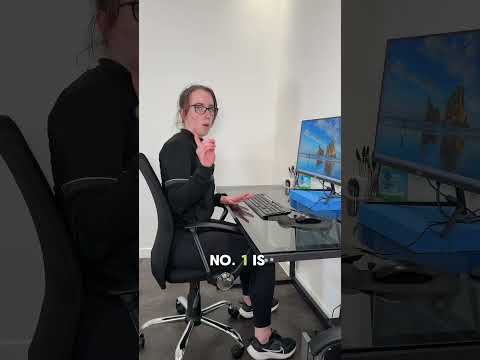
You know those long hours sitting at your desk? If your chair doesn’t support your back or if you’re crouched over your laptop, that’s an easy recipe for pain later on. Maybe after a long day at work, you notice tightness in your lower back—that’s likely from being hunched for too long.
Catching Those Signs Early
The key is being aware of how your body feels throughout the day. Check in with yourself: Are you comfortable? Are there spots that feel tight after sitting too long? Just taking a moment can make all the difference.
Improving Your Posture
If you’re serious about easing back pain linked to posture, start small. Try adjusting your chair height or using cushions for support while sitting. Even simple stretches throughout the day help relieve tension built up during hours of inactivity.
Wrapping It Up
While it’s easy to brush off discomfort as just part of life, paying attention to those signs is important! Ideal posture can play a big role in how we feel overall; think about making little changes for long-term benefits.
Your body deserves care and attention—you might just find relief by tuning into its signals!
Discover the Sleep Posture That Sabotages Your Relief
Understanding Sleep Posture and Back Pain
So, let’s talk about sleep posture. You know, the way you position your body when you drift off can surprisingly affect how you feel in the morning. Some people wake up refreshed; others, not so much. Why is that? It often comes down to how your spine is aligned while you snooze.
Your spine is like a stack of building blocks. It needs to stay aligned for everything to work well. If you’re sleeping in a weird position, it can cause your muscles and ligaments to get all cramped up, leading to discomfort or pain.
Common Sleep Positions
There are basically three main ways people sleep: on their back, stomach, or side. Each has its pros and cons.
- Back Sleeping: This position is generally good for maintaining spinal alignment. Place a pillow under your knees for extra support.
- Side Sleeping: Many folks prefer this one—especially pregnant women! A body pillow between the legs can help keep everything aligned.
- Stomach Sleeping: This one can be tricky. It often torques your neck and lower back in a way that’s not ideal for most people.
The Trouble with Stomach Sleeping
If you’re a stomach sleeper, think about this: it forces your spine into an unnatural curve. Your neck has to turn to the side all night, which can cause strain on those muscles over time! You might feel fine at first but could pay later with some aches.
A common complaint among stomach sleepers is lower back pain or stiffness in the neck when they wake up. It’s like parking a car on a steep hill; eventually something’s gonna give!
A Few Solutions
If switching positions feels impossible—and hey, habits are hard—you might try adjusting other factors like pillows or mattress firmness first. Maybe find something more supportive? Also remember that even small changes can make big differences over time.
- Pillow Adjustments: A thinner pillow could help if you’re stuck on your stomach.
- Consider if yours offers enough support while still feeling comfortable—it makes an impact!
Your Individual Needs Matter
This isn’t about achieving the “perfect” sleep position but rather finding comfort so that you feel energized when it’s time to face the day ahead!
Discover the Hidden Culprits Behind Your Discomfort
Understanding Ideal Posture
Hey, let’s talk about posture. You know, that thing we often overlook while sitting at our desks or scrolling on our phones? Well, the truth is, good posture can play a significant role in how we feel overall.
When you’re slouched over, your body has to work harder to support itself. This extra strain often leads to back pain and discomfort. It’s almost like trying to balance on one leg—you can do it for a while, but eventually, you’re gonna tire out.
The Impact of Poor Posture
Poor posture can result from various habits. Maybe you’re hunched over your laptop for hours or you sit on the couch with that neck craned forward. Over time, these positions can cause muscle imbalances and tension.
A real-life example? Imagine carrying a heavy backpack all day on one shoulder. As a result, one side of your body becomes stronger than the other. This imbalance can lead to pain and discomfort in areas you might not even connect with your backpack!
How Ideal Posture Helps
Now let’s flip the script: What does ideal posture look like? Think of it as standing tall with your shoulders back and head held high—like a superhero! When done correctly, this alignment helps distribute weight evenly across your spine.
Good posture allows better breathing and circulation too. It’s sort of like adjusting the sails on a ship; when everything’s aligned properly, both movement and flow improve!
Cues for Improving Posture
- Sitting: Keep your hips all the way back in the chair with feet flat on the ground.
- Standing: Equal weight should be put on both feet without locking your knees.
- Lifting: Use your legs instead of bending at the waist—your back will thank you!
Tuning into Your Body
The thing is listening to what your body is saying is crucial. If you notice any discomfort during certain activities or positions, it may be worth investigating further.
You might also want to consider regular breaks if you’re working at a desk or engaging in repetitive motions—it’s just like refreshing a web page; sometimes it needs an update!
Avoiding Myths Around Posture
A common myth is that only athletes need to worry about good posture. Truthfully anyone who spends time sitting—be it at work or home—can benefit from being mindful about their position.
No drastic changes are necessary overnight! Small adjustments over time can lead to meaningful improvements in how you feel daily.
The Bottom Line
I hope this sheds some light on how ideal posture might help alleviate back pain and discomfort. Paying attention isn’t just for athletes; it’s part of caring for yourself too! So remember: sit up straight and give yourself a little love—you deserve it!
How Ideal Posture Can Alleviate Your Back Pain
Back pain is something many of us deal with at some point. Honestly, it’s frustrating, right? Often, the way we sit, stand, or move can contribute to those aches. That’s where the idea of “ideal posture” comes in.
When we talk about ideal posture, we’re referring to a position of the body that puts the least strain on our muscles and joints. Imagine stacking blocks; if they’re aligned properly, they stand tall and steady. If not, they wobble and even fall over—easy enough to picture.
Maintaining good posture means keeping your spine in its natural curves. This can help distribute weight evenly across your back instead of putting stress on certain areas. Take a moment and think about slouching versus sitting up straight. When you slouch, your shoulders roll forward and your spine hunches. Over time this can cause tightness and inflammation.
Some practical tips? When sitting at a desk, ensure your feet are flat on the floor and your knees are at hip level or slightly lower. Use supportive chairs that encourage an upright position. You know that feeling when you finally take a deep breath after stretching? It’s kind of like that—relief through alignment.
It’s also key to be mindful when lifting heavy objects. Bend at the knees rather than leaning over from the waist—as simple as it seems, it makes a difference! Supporting your back during movement can significantly reduce the risk of injury.
The link between posture and back pain isn’t just theory; research backs this up too. Studies consistently show that poor postures contribute to chronic discomfort while improving alignment often leads to relief.
If you’re already experiencing back pain, integrating better posture into daily life may help alleviate some discomfort over time. But always listen to your body; if something feels wrong or doesn’t improve with these adjustments, professional advice is worth seeking out.
Taking small steps toward better posture can honestly lead to greater comfort and improved quality of life—after all no one wants their back pain lingering around longer than necessary!