The information provided in this article is intended solely for general informational and educational purposes. It does not constitute medical advice, diagnosis or professional treatment, and should not be considered a substitute for consultation with a qualified doctor or other licensed healthcare professional. Any health-related decisions should be made in consultation with accredited medical professionals.
While efforts have been made to ensure the information is accurate and up to date, no guarantees are given—either express or implied—regarding its accuracy, completeness, currency or suitability. Use of this information is at your own discretion.
It is strongly recommended to consult official sources such as the NHS (National Health Service) or other recognised medical institutions before acting on any information contained on this website or article. Under no circumstances should professional medical advice be ignored or delayed due to content read here.
This content is of a general and informational nature only. It is not intended to replace individualised guidance from a healthcare professional or to establish any doctor-patient relationship. The publication of this information does not imply any professional responsibility, guarantee or obligation on the part of the author or this site.
Have you ever bumped your head and felt a little dizzy? It’s scary, isn’t it? A concussion can happen in lots of ways—like during sports, falls, or even car accidents. The thing is, concussions are more common than you might think. Yet, many people don’t fully understand how they can affect us.
This article dives into how long concussions can last and the different levels of severity. You know, not all concussions are created equal. Some folks might bounce back in a few days, while others might struggle for weeks or even months.
Understanding this helps not just to raise awareness but also to help you or someone you care about navigate recovery. It’s crucial to know what signs to look for and when to seek medical attention.
Keep in mind that while this information is valuable, it doesn’t replace professional medical advice. Always consult a healthcare provider before making decisions about your health.
Navigating Your Path to Full Healing and Wellness
Concussions are tricky injuries. They can vary widely in how long they last, depending on a few factors.
What is a Concussion?
A concussion is a type of brain injury that usually occurs after a bump or jolt to the head. It can disrupt normal brain function, leading to various symptoms.
How Long Do They Last?
The duration of concussion symptoms can be different for everyone. Some may feel better within days, while others could take weeks or even months to heal. So, what’s going on here?
Severity Levels
Concussions are often rated as mild, moderate, or severe based on the level of symptoms experienced.
- Mild: Symptoms might last from a couple of days to around two weeks. This often involves headaches and dizziness but tends to resolve sooner.
- Moderate: These concussions might show symptoms lasting from two weeks up to several months. More noticeable cognitive issues and mood swings could arise.
- Severe: In cases like this, you might see symptoms hanging around for months or even longer. Persistent headaches, memory problems, and fatigue are common here.
The Role of Rest
You know? Rest is super important when recovering from a concussion. Giving your brain time to heal is key—think of it like allowing a sprained ankle to recover by avoiding putting weight on it.
Avoiding Re-injury
If you jump back into activities too fast after a concussion, you risk making things worse. It’s like trying to run before you’re able to stand again; it’s just not safe!
Coping with Symptoms
Sometimes people experience ongoing symptoms called post-concussion syndrome (PCS). This isn’t uncommon and can cause frustration—imagine having the same headache or foggy feeling for weeks!
The Importance of Support
Sooner or later during recovery, having support from friends and family can really help out. They can assist in providing rest time and even reminding you about self-care routines!
If concussion symptoms persist without improvement over time, it’s wise to consult with someone who really knows about concussions—like a healthcare provider who can help tackle ongoing issues effectively.
Your Journey Towards Wellness
Navigating through recovery takes patience. Understanding that healing isn’t linear—you’ll have ups and downs—is super normal.
You know? Resilience plays an important role here! Each step forward counts towards regaining your wellness seamlessly over time.
Unraveling the Timeline: When to Watch for Signs of a Concussion After Impact
Concussions are tricky, right? They can happen in sports, falls, or even car accidents. The common thought is that these injuries only show symptoms immediately after the impact. However, it’s a bit more complicated than that.
A concussion is a type of traumatic brain injury. It alters how your brain functions temporarily. Symptoms can vary widely and might not surface until hours or even days later. You see, our brains sometimes take their sweet time reacting.
Timing is Everything
Right after an impact, look for immediate signs like confusion, headache, or dizziness. These are classic indicators of a concussion. If someone feels dazed or forgets plays in a game—those are also warning signals.
But here’s where it gets interesting: some symptoms may not show up until much later. For example, you might feel fine initially but develop headaches or irritability after a few hours or days.
What Should You Watch For?
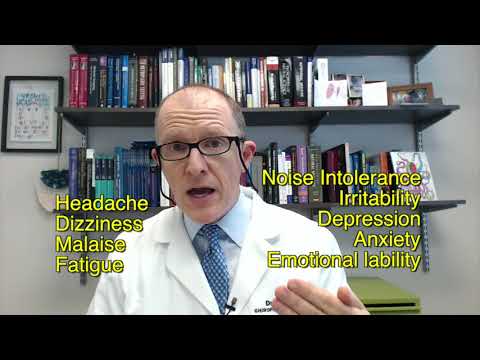
- Physical Symptoms: Headaches, nausea, and balance issues.
- Cognitive Signs: Trouble concentrating or memory lapses.
- Emotional Changes: Increased mood swings or anxiety.
If any of these symptoms crop up after an injury—best to take them seriously! It doesn’t hurt to keep an eye on anyone who experienced a hit even if they seemed fine right afterward.
The Severity Spectrum
The severity of concussions can range from mild to severe. Mild concussions might cause just slight confusion and resolve quickly. Severe ones could lead to longer recovery times and more pronounced symptoms.
You know how some people bounce back quickly from minor injuries? Others might take weeks to feel normal again after something that seemed minor at first glance.
This leads us to recovery timelines; they can vary greatly based on the individual and the severity of the concussion. Some folks might get better in days while others could deal with issues for months!
If You’re Concerned
If someone starts showing concerning signs several hours post-impact—or even days later—it’s smart to reach out for help from healthcare professionals. They can assess the situation and guide appropriate next steps.
The Bottom Line
You really want to be cautious when dealing with concussions. It’s all about listening to your body (or watching your friend closely). Making sure you’re aware of changes—immediate and delayed—will catch things before they escalate into serious problems down the line.
Understanding Recovery Times and What to Expect
Hey there! Let’s talk about recovery times, especially when it comes to concussions. A concussion is a type of mild traumatic brain injury. They can happen after a bump or blow to your head, and they often result in symptoms like headaches, dizziness, or confusion.
How Long Can Concussions Last?
The duration of concussion symptoms can vary widely. For some people, recovery can be pretty quick—just a few days or weeks. In other cases, it may take longer. It’s important to remember that everyone’s brain heals differently.
A good way to think about it is like this: imagine you sprained your ankle. Some folks might be back on their feet in a week; others might take months with physical therapy and rest. The same goes for concussions.
Severity Levels Matter
So, what’s the deal with severity levels? Generally speaking, a more serious concussion can lead to longer recovery times. Mild concussions may resolve themselves within days while moderate ones could take weeks.
If someone has experienced multiple concussions over time, they might face complications that can make recovery even trickier. This doesn’t mean you should panic if you’ve had more than one—just be aware and consult with someone who understands these issues.
Signs You Shouldn’t Ignore
It’s vital to keep an eye on symptoms during recovery; if they worsen or new ones appear—like persistent vomiting or severe confusion—it’s smart to seek help. It could indicate that something more serious is going on.
Your Role in Recovery
You play an active part in recovering from a concussion! Rest is key; both physical and mental downtime are important. Avoid activities that require heavy concentration or exertion while you’re healing.
Think of it as giving your brain a mini-vacation so it can recover fully—from avoiding screen time to resting more than usual!
The Bottom Line
Remember: everyone heals at their own pace after a concussion. Listen to your body—if you feel ready for light activities after resting but still have symptoms lingering around? Take things slow! And don’t hesitate to reach out if you’re unsure about what steps to take next.
- Recovery times vary individually;
- Mild injuries typically resolve quicker;
- Persistent symptoms need medical attention;
- Your well-being should always come first!
Understanding Concussion Duration and Severity
Concussions, often called mild traumatic brain injuries, can vary widely in how long they last. The thing is, there really isn’t a one-size-fits-all answer. Some people bounce back within days, while others may experience symptoms for weeks or even months.
The severity of the concussion is a key factor. A more intense hit to the head usually translates to longer-lasting effects. But it’s not just about force—individuals react differently based on age, health history, and even their previous concussion experiences.
For instance, a teenager may take longer to recover compared to an adult due to the ongoing development of their brains. This can be pretty concerning since adolescents don’t always recognize when they need help.
Doctors often categorize concussions into different severity levels based on symptoms like confusion, headaches, or balance issues. Mild cases might clear up quickly with rest and care. In contrast, moderate to severe cases may require more comprehensive treatment strategies.
A common misconception is that rest alone is enough for recovery. While it’s important initially, returning to activities too soon can lead to what’s called second impact syndrome—a serious condition where another concussion occurs before the first has healed properly.
It’s essential to listen to your body and communicate with healthcare providers about symptoms. Some people may feel fine but still have lingering cognitive issues or mood changes that need addressing.
This understanding emphasizes the importance of individualized care and monitoring over time rather than rushing back into physical activities. Everyone deserves a tailored approach to ensure safe recovery.