The information provided in this article is intended solely for general informational and educational purposes. It does not constitute medical advice, diagnosis or professional treatment, and should not be considered a substitute for consultation with a qualified doctor or other licensed healthcare professional. Any health-related decisions should be made in consultation with accredited medical professionals.
While efforts have been made to ensure the information is accurate and up to date, no guarantees are given—either express or implied—regarding its accuracy, completeness, currency or suitability. Use of this information is at your own discretion.
It is strongly recommended to consult official sources such as the NHS (National Health Service) or other recognised medical institutions before acting on any information contained on this website or article. Under no circumstances should professional medical advice be ignored or delayed due to content read here.
This content is of a general and informational nature only. It is not intended to replace individualised guidance from a healthcare professional or to establish any doctor-patient relationship. The publication of this information does not imply any professional responsibility, guarantee or obligation on the part of the author or this site.
Have you ever opened your pantry and found a box of pasta that’s been sitting there for who knows how long? You might wonder, “Is this still safe to eat?” It’s a common dilemma. Pasta is a staple in many homes, but just like other foods, it has its own shelf life.
Believe it or not, the storage conditions can affect pasta’s safety and quality. Understanding how long pasta stays good can help you avoid those unnecessary trips to the grocery store and prevent food waste. Plus, knowing how to store it properly ensures you get the best taste and texture when cooking.
This article breaks down everything you need to know about pasta storage from an health perspective. We’ll talk about factors that influence its longevity and give you some practical tips for keeping your pantry organized without wasting food.
Of course, remember this isn’t a replacement for medical advice. If you’re unsure about your health decisions related to food, it’s always wise to consult a healthcare professional.
The Ultimate Guide to Pasta’s Shelf Life and Storage Secrets
The Shelf Life of Pasta
Pasta is a pantry staple for many people. It’s versatile, quick to prepare, and keeps for a long time. But how long can you really store pasta before it goes bad? The answer varies depending on whether it’s dried or fresh.
Dried Pasta
Dried pasta has an impressive shelf life. Unopened, it can last for years, sometimes even up to two years past the expiration date on the package. However, once opened, it’s best to use it within a year.
Store dried pasta in a cool, dry place—think your pantry or cupboard. Make sure it’s sealed well to avoid moisture getting in.
Fresh Pasta
Fresh pasta is different. It contains eggs and needs more attention when storing. Typically, fresh pasta lasts about 2-5 days in the fridge if kept in an airtight container.
If you want to hold onto it longer, freezing is a great option. Frozen fresh pasta can last for several months! Just be sure to let it cool completely before sealing.
Signs of Spoilage
Here’s the thing: knowing when pasta has gone bad is crucial for health reasons. With dried pasta, look out for discoloration or any unusual smells—it shouldn’t have either!
Fresh Pasta Signs
For fresh pasta: check for mold or sour odors; these are big red flags! If you see anything off—toss it out.
Storage Secrets
- Airtight Containers: Always use airtight containers for both dried and fresh pasta. This helps keep moisture at bay.
- CooL Temperature: Store in a consistent temperature; fluctuating heat can shorten shelf life.
- Date Marking: Consider marking dates on containers when you open them—the simple act can help keep track of freshness.
Cooking Tips with Stored Pasta
If you’ve ever cooked old dried pasta and found it mushy or clumpy—yep, that happens! It often means it’s absorbed too much moisture over time. A good practice is rinsing off fresh pasta quickly with cold water after boiling to stop cooking from continuing as well.
The Bottom Line
Pasta can stay safe and tasty for longer than you might think! Proper storage makes all the difference—so pay attention to how you keep your favorite noodles. And remember: when in doubt about its safety, trust your senses first!
A Closer Look at Pasta Safety Beyond Its Expiration Date
Pasta is a staple in many kitchens. Whether it’s spaghetti, penne, or macaroni, it’s loved by many. But have you ever wondered what happens after the expiration date on the package? Is it still safe to eat? Let’s break this down.
Understanding Expiration Dates
First off, expiration dates can be a bit confusing. They often indicate “best by,” “use by,” or “sell by.” These dates are mostly about quality rather than safety. Manufacturers want to ensure you enjoy your pasta at its best flavor and texture. After that date, it’s not like a switch flips and it becomes dangerous.
Pasta Types Matter
The type of pasta plays a role too. Dried pasta can last for years past its expiration date if stored properly. It’s practically a time capsule! However, fresh pasta, like the kind you find in the refrigerated section, has a much shorter shelf life and should ideally be eaten before its date.
Signs of Spoilage
You might wonder how to tell if your pasta has gone bad. Look for any discoloration or an off smell—those are red flags. If it looks fine but feels sticky or “weird,” that’s another sign it might not be so good anymore.
Storage Tips
Proper storage is key to keeping pasta fresh longer. Keep dried pasta in a cool and dry place—think pantry shelves away from moisture and heat sources. For opened packages, consider transferring it to airtight containers to keep pests out.
Cooked Pasta Safety
If you’ve cooked some pasta but didn’t finish it all? It can typically last about three to five days in the fridge if stored correctly—just put it in an airtight container! If you’re not sure after that time, use your senses: sight and smell will help guide you.
Leftovers: Yes or No?
You know how some people just toss leftovers after a couple of days? While it’s true that bacteria can grow over time, many folks enjoy their leftovers safely when they store them right and reheat them thoroughly. Just make sure everything’s hot before biting into that cheesy casserole!
Aging Grains?
An interesting fact is that older grains are often still safe to eat due to low moisture content which helps prevent spoilage. So those ancient boxes of elbow macaroni sitting in your pantry might still be good! Just remember: trust your gut (and eyes) when checking.
The Bottom Line
Pasta beyond its expiration date isn’t necessarily unsafe—it depends on type and storage conditions! Always inspect for spoilage signs before cooking up your favorite dish again. Staying aware ensures enjoyable meals without worry.
Uncover the Secrets to Keeping Your Leftover Pasta Fresh and Delicious
Keeping Leftover Pasta Fresh
So, you made a huge pot of pasta and now you have some leftovers. What’s the best way to store it? Well, pasta storage is a bit like giving your food a cozy blanket to stay fresh.
How Long Does Pasta Last?
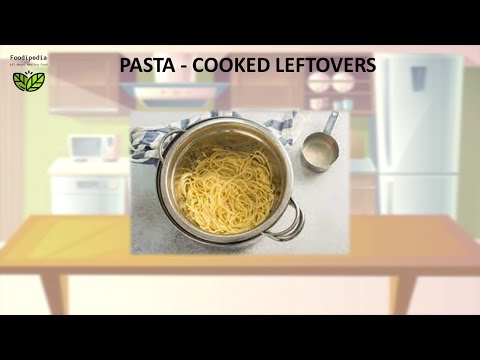
Generally, cooked pasta can be kept in the fridge for about 3 to 5 days. After that, it might start growing bacteria. You know, those tiny critters no one wants in their food!
If you want to keep it even longer, freezing is an option. Cooked pasta can last around 1 to 3 months in the freezer. Just make sure it’s in an airtight container or sealed bag—otherwise, it might get freezer burn.
The Best Way to Store It
First things first: let your pasta cool down before putting it in the fridge. Hot food can raise the temperature inside your fridge, which isn’t great for other items there.
You can toss some olive oil on your leftover pasta if it’s not sauced up already. It helps keep it from sticking together like best buddies! Then put it in a container with a tight lid.
Pasta Sauces Matter
If your pasta has sauce on it, that’s another story. Creamy sauces often spoil faster than tomato-based ones because of dairy content. So keep an eye on those creamy leftovers and try to eat them sooner!
Reheating Leftover Pasta
When you’re ready to eat that tasty leftover pasta, heat it slowly. You can use a microwave or stovetop; just add a little water if needed—it helps prevent drying out like forgotten homework!
A Few Tips to Remember
- Avoid leaving cooked pasta out at room temperature for more than two hours.
- If there’s any doubt about its freshness or safety—better safe than sorry! Toss it out and make some new pasta instead.
- Check for off smells or weird textures; they’re usually clear signs something’s not right with the food.
The key takeaway is simple: proper storage keeps your leftover pasta fresh and delicious! And honestly? Enjoying those leftovers later can feel like finding money in your pocket; it’s both surprising and satisfying!
How Long Pasta Stays Safe: A Health Perspective on Storage
Pasta is a staple in many kitchens, but how long can it stay safe to eat? It’s a common question, especially with varying types of pasta—dried versus cooked. Let’s break this down.
Dried pasta typically has a long shelf life. When stored in a cool, dry place, unopened packages can last for years. The thing is, once you open it, that time limit does shift slightly. It’s still safe for quite some time if stored properly, but keeping an eye out for signs of spoilage like off smells or insect activity is wise.
On the other hand, cooked pasta doesn’t have as much staying power. After cooking, it should ideally be refrigerated within two hours and consumed within three to five days. Sometimes people think they can just keep it indefinitely, but that’s not the case. Bacteria like to grow on food at room temperature.
- Dried Pasta: Lasts up to two years unopened; six months once opened if stored correctly.
- Cooked Pasta: Best eaten within three to five days when refrigerated.
If you freeze cooked pasta, you may extend its life to several months. Just remember to store it in an airtight container or bag before freezing; that helps prevent freezer burn.
Nobody wants to deal with foodborne illness due to improper storage practices. Always make sure your pasta is kept sealed and stored at optimal conditions. A little attention goes a long way in ensuring safety!