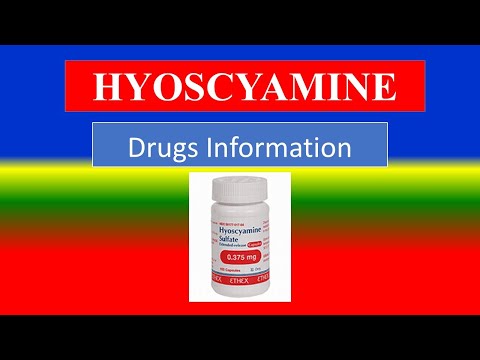
Hyoscyamine sulfate is a medication that often flies under the radar, yet it plays a crucial role in various health scenarios. Imagine it as a soothing balm for your digestive system and a helper for certain neurological conditions. This medication works by easing muscle spasms and calming down some overactive bodily functions.
It’s like having an expert friend who knows how to bring balance to chaos within your body. But just like any powerful ally, hyoscyamine sulfate comes with its own set of benefits and risks that you should understand.
In this article, we will explore how hyoscyamine sulfate can provide relief from symptoms related to gastrointestinal disorders, such as irritable bowel syndrome or excessive sweating. However, it’s essential to also consider potential side effects and drug interactions that could arise from using this medication.
Please remember, while knowledge is empowering, it’s essential not to make health decisions based on single sources of information. Always consult with various specialists and use multiple reputable resources to get a well-rounded understanding of any medication you’re considering—especially one like hyoscyamine sulfate! Your health deserves careful consideration and informed choices.
The information provided in this article is intended solely for general informational and educational purposes. It does not constitute medical advice, diagnosis or professional treatment, and should not be considered a substitute for consultation with a qualified doctor or other licensed healthcare professional. Any health-related decisions should be made in consultation with accredited medical professionals.
While efforts have been made to ensure the information is accurate and up to date, no guarantees are given—either express or implied—regarding its accuracy, completeness, currency or suitability. Use of this information is at your own discretion.
It is strongly recommended to consult official sources such as the NHS (National Health Service) or other recognised medical institutions before acting on any information contained on this website or article. Under no circumstances should professional medical advice be ignored or delayed due to content read here.
This content is of a general and informational nature only. It is not intended to replace individualised guidance from a healthcare professional or to establish any doctor-patient relationship. The publication of this information does not imply any professional responsibility, guarantee or obligation on the part of the author or this site.
Uncovering the Hidden Dangers of Hyoscyamine Use
Hyoscyamine is a medication derived from plants like belladonna. It’s commonly used to treat gastrointestinal issues and symptoms of certain medical conditions. While it can be helpful, there are some hidden dangers associated with its use that everyone should know.
First, hyoscyamine works by blocking certain signals in the body. This can relieve cramps and spasms, but it can also lead to side effects. Common side effects include dry mouth, blurred vision, and dizziness. For some people, these can be quite uncomfortable.
Understanding interactions is key. Hyoscyamine can interact with other medications you may be taking. For example, combining it with antidepressants or antihistamines can increase the risk of side effects like confusion or increased heart rate.
Some individuals may experience allergic reactions. While rare, signs include rash, itching, or trouble breathing. If you notice any of these symptoms after starting hyoscyamine, it’s important to seek help right away.
Another concern is the potential for misuse. Because it affects the nervous system, some people might abuse it for its sedative properties. This could potentially lead to serious health issues or addiction.
Dosage matters. Taking more than prescribed increases your risk for serious complications like hallucinations or severe agitation. Always stick to your healthcare provider’s instructions regarding how much to take.
Pregnant women should be cautious as well. Hyoscyamine might affect fetal development if taken during pregnancy. Discussing any medications with a healthcare provider is essential during this time.
It’s also worth noting that elderly individuals may have an increased sensitivity to hyoscyamine’s effects. They are at higher risk for experiencing side effects and complications.
In conclusion, while hyoscyamine has benefits for treating specific conditions, awareness about its risks and interactions is crucial for safe use. Always talk openly about your health concerns and medication with a qualified healthcare professional to make informed decisions about your treatment plan.
Being proactive about understanding medications helps ensure beneficial outcomes while minimizing risks for yourself and others around you.
Unlocking the Healing Power of Hyoscyamine Sulfate for Your Health and Well-Being
Hyoscyamine sulfate is a medication derived from the deadly nightshade plant. It belongs to a class of drugs known as anticholinergics. These help to block certain nerve signals in the body, which can be quite useful for various medical issues.
One of the main uses of hyoscyamine sulfate is to relieve gastrointestinal symptoms. It can help reduce spasms in the stomach and intestines, easing discomfort related to conditions like irritable bowel syndrome (IBS). Think of it like turning down the volume on an overactive stomach.
Additionally, hyoscyamine can help with other issues. For example, it may treat excessive sweating and even some symptoms related to Parkinson’s disease. The way it works is by slowing down certain functions in the body that are out of balance.
However, while it has benefits, there are also risks.
These happen because hyoscyamine decreases secretions in your body. Imagine how your body feels when it’s very hot outside; you sweat less and might feel thirsty – that’s similar!
Interactions with other medications can occur too. Mixing hyoscyamine with some antidepressants or certain antihistamines may create additional side effects or reduce effectiveness. Always consider this if you’re taking multiple medications.
It’s important to use hyoscyamine sulfate responsibly. Sticking to prescribed doses helps prevent complications related to its anticholinergic effects – just like knowing how much salt is right for your meal keeps things balanced.
If you have any health concerns or questions about using this medication, discussing them with someone who understands your specific situation is wise. Everyone’s health journey is unique, so ensure you stay informed and aware of how things work together in your own body.
In summary, hyoscyamine sulfate shows potential for addressing various health issues but also comes with considerations to keep in mind. Educating yourself allows you to make better choices about what’s best for your health and well-being.
Unveiling the Potential Interactions of Hyoscyamine with Other Substances
Hyoscyamine is a medication derived from plants like belladonna. It’s often used for digestive issues and to relieve muscle spasms. While it can be helpful, it’s important to know how it interacts with other substances.
When taking hyoscyamine, certain interactions can occur. These can affect how well the medication works or increase the risk of side effects. Understanding these interactions is key.
It’s crucial to communicate with a healthcare provider about all medications and substances being taken. This includes over-the-counter drugs and herbal supplements.
Another aspect to consider is food interactions. Certain foods might affect how hyoscyamine works in your body. For example, caffeine could potentially increase heart rate when combined with this medication.
Always listen to your body when starting or changing any treatment plan. If unusual symptoms occur, reaching out for help is wise.
Stay informed about what you’re taking and how it interacts with other substances. Knowledge empowers you to make better health choices. Remember that all medication carries risks alongside benefits.
Final thought: Hyoscyamine can be beneficial but understanding its interactions helps ensure safer use. Be proactive about your health decisions!
Hyoscyamine sulfate is a medication derived from the belladonna plant, commonly used to treat various gastrointestinal disorders. It works by relaxing smooth muscles and reducing secretions in the body, which can provide relief from symptoms like cramping and excessive drooling.
Benefits: The primary benefits of hyoscyamine sulfate include alleviating stomach cramps associated with conditions like irritable bowel syndrome (IBS) and reducing muscle spasms in other parts of the body. Many patients report improved quality of life as their symptoms diminish.
Risks: However, it’s important to be aware of potential risks. Side effects may include dry mouth, blurred vision, constipation, and drowsiness. In some cases, individuals may experience more severe reactions like increased heart rate or urinary retention. It’s essential to monitor these effects closely.
Interactions: Hyoscyamine sulfate can interact with other medications, particularly those that also cause drowsiness or affect the digestive system. Always consult a healthcare provider before starting this medication if you’re on other treatments.
In summary, while hyoscyamine sulfate can be beneficial for many individuals dealing with specific health issues, it’s crucial to weigh its benefits against potential risks and interactions. Informed decision-making is key; always discuss your options with a qualified healthcare professional before making any changes to your treatment plan. Staying educated empowers you to manage your health responsibly.