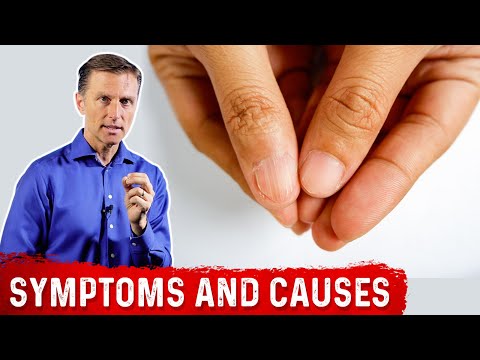
Iron-deficiency anemia is a condition that often goes unnoticed until it becomes serious. Imagine your body as a car; iron is like the fuel that keeps it running smoothly. When you don’t have enough iron, your engine starts to sputter. This condition is common and can affect anyone, but understanding its symptoms and causes can make all the difference.
Recognizing the signs of iron-deficiency anemia is crucial. Common symptoms include fatigue, weakness, pale skin, and even shortness of breath during normal activities. Each of these indicators serves as a signal from your body that something isn’t quite right.
The causes can vary widely—ranging from insufficient dietary intake of iron to blood loss or poor absorption in the digestive system. Something as simple as not eating enough iron-rich foods could lead to this problem.
However, please be cautious! Iron-deficiency anemia can sometimes mimic other health issues. It’s vital to gather accurate information from multiple sources and consult with healthcare professionals for tailored advice regarding your situation. Your health deserves careful attention, so take the time to educate yourself through trusted specialists and varied media channels before making assumptions or decisions about treatment options.
The information provided in this article is intended solely for general informational and educational purposes. It does not constitute medical advice, diagnosis or professional treatment, and should not be considered a substitute for consultation with a qualified doctor or other licensed healthcare professional. Any health-related decisions should be made in consultation with accredited medical professionals.
While efforts have been made to ensure the information is accurate and up to date, no guarantees are given—either express or implied—regarding its accuracy, completeness, currency or suitability. Use of this information is at your own discretion.
It is strongly recommended to consult official sources such as the NHS (National Health Service) or other recognised medical institutions before acting on any information contained on this website or article. Under no circumstances should professional medical advice be ignored or delayed due to content read here.
This content is of a general and informational nature only. It is not intended to replace individualised guidance from a healthcare professional or to establish any doctor-patient relationship. The publication of this information does not imply any professional responsibility, guarantee or obligation on the part of the author or this site.
Uncovering the Key Factors Behind Low Iron Levels and Their Impact on Your Health
Low iron levels can lead to a condition called iron-deficiency anemia. This occurs when your body doesn’t have enough iron to produce hemoglobin. Hemoglobin is the protein in red blood cells that carries oxygen throughout your body.
When you lack adequate oxygen, you might feel fatigued, weak, or dizzy. It’s like trying to run a race with a flat tire; without enough air, it just doesn’t work right.
Causes of Low Iron Levels:
Many people think only vegetarians are at risk for low iron. That’s not true! Even meat-eaters can face this issue due to various factors.
Symptoms of low iron levels often develop gradually, making them easy to overlook. Here are some common signs:
Being aware of these symptoms helps in recognizing potential issues early on.
The Impact on Your Health:
Iron deficiency can influence not just energy but overall health, too. A lack of oxygen affects all organs and systems in the body. Over time, chronic fatigue may impact work, relationships, and even mental health.
It’s vital to address low iron levels before they cause further complications, such as heart problems or developmental issues in children.
If you suspect low iron levels, consider consulting with a healthcare provider for guidance. They might suggest blood tests to check your levels and discuss dietary sources of iron or supplements if needed.
Remember that simply increasing iron intake isn’t always straightforward due to factors affecting absorption like calcium or certain medications.
In conclusion, understanding the key factors behind low iron levels empowers you to make better decisions about your health. Eating a balanced diet rich in both heme (animal-based) and non-heme (plant-based) sources of iron can contribute positively. Think of it as taking care of a plant; providing the right nutrients keeps it lush and healthy!
Uncover the Hidden Indicators Your Body Needs More Iron
Iron is essential for our bodies. It helps carry oxygen in the blood and plays a role in many important functions. Without enough iron, we can develop iron-deficiency anemia, which can lead to a range of health issues.
Recognizing the symptoms of low iron levels is crucial. Sometimes, these signs can be subtle. Here are some hidden indicators that your body might need more iron:
Silvery nails and unusual cravings may also hint at low iron. Some people develop a desire for non-food items like dirt or ice. This condition is known as pica.
Some groups are at higher risk for low iron levels. Women with heavy menstrual cycles, pregnant women, and vegetarians should pay extra attention.
Diet plays a big role in maintaining healthy iron levels. Foods rich in iron include red meat, poultry, fish, lentils, beans, and fortified cereals.
It’s important to remember that there are two types of dietary iron: heme and non-heme. Heme iron from animal sources is typically absorbed better than non-heme from plants.
If you’re experiencing several signs consistently or have concerns about your diet or health, speaking with someone who can provide guidance is valuable.
Listening to your body is key in recognizing these hidden indicators of low iron levels. By staying informed about your health needs, you empower yourself to make good decisions for your well-being.
Uncovering the Hidden Struggles of Low Iron Levels
Iron is a vital mineral that our bodies need to function well. It helps make hemoglobin, a protein in red blood cells that carries oxygen. When iron levels drop too low, it can lead to iron-deficiency anemia. This condition is more common than you might think.
Many people don’t realize they have low iron until symptoms become noticeable. Fatigue is often the first sign. You might feel exhausted even after a full night’s sleep. It’s like trying to run on an empty tank.
Other symptoms include pale skin, shortness of breath, and dizziness. Some people experience headaches or a fast heartbeat. These signs can be mild at first, but if left unaddressed, they can worsen over time.
Low iron levels can happen for various reasons. One common cause is inadequate dietary intake of iron-rich foods like red meat, beans, or spinach.
It’s important to note that not all fatigue means you’re low on iron. Stress, lack of sleep, or other health issues could also be culprits. That’s why it’s good to pay attention and consult with a health professional if you have concerns.
Many myths surround the topic of anemia and iron supplements too. For instance, not everyone needs supplements just because they are tired; sometimes lifestyle changes in diet can help boost your intake effectively.
If you suspect low iron levels, consider keeping track of your symptoms and dietary habits first before seeking advice on next steps from professionals who understand your personal health context.
In summary, being aware of low iron levels and their effects can help you make informed choices about your health. Recognizing the signs early allows for better management and encourages a balanced diet rich in essential nutrients.
Iron-deficiency anemia is a condition that often flies under the radar but can significantly impact overall health. It occurs when the body lacks enough iron to produce hemoglobin, the protein in red blood cells that carries oxygen. Without sufficient iron, our energy levels can plummet and daily tasks become daunting.
Recognizing symptoms early is crucial. Common signs include fatigue, paleness, shortness of breath, and dizziness. These symptoms may resemble other conditions, which is why understanding this specific anemia is vital for accurate diagnosis and treatment.
The causes of iron-deficiency anemia are diverse. It can stem from inadequate dietary intake of iron, chronic blood loss—often due to menstruation or digestive tract issues—or increased demand during pregnancy. Each cause requires a tailored approach to treatment, highlighting the importance of comprehensive health assessments.
Awareness and education play key roles in managing this condition. Patients should feel empowered to discuss their symptoms openly with healthcare providers. By doing so, they can collaboratively explore dietary changes or supplementation if necessary.
Furthermore, debunking myths surrounding iron deficiency is essential. For instance, many believe that only vegetarians suffer from this condition; however, it affects individuals across all diets depending on various factors like age and health status.
In conclusion, recognizing the symptoms and causes of iron-deficiency anemia fosters timely intervention and enhances quality of life for those affected. This reflection emphasizes the importance of informed discussions about health issues as a means of promoting wellness in our communities.