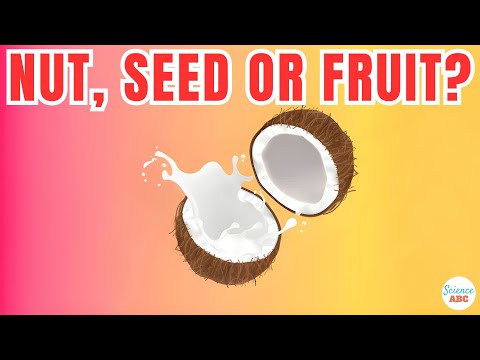
Have you ever taken a bite of coconut and wondered, “Is this really a fruit?” It’s a fun question that brings us to the fascinating world of botany. Coconuts are often enjoyed in various forms, from coconut water to shredded meat. But their classification can be a bit tricky.
Coconuts are classified as drupes, which is a type of fruit. Think of drupes like peaches or cherries—the kind with a hard pit inside. This makes coconuts not just any ordinary fruit but rather part of an exclusive group in the plant kingdom.
However, diving deeper into how we categorize plants can lead to some surprises and—sometimes—confusion. Understanding these nuances can help you appreciate your food choices even more.
While curiosity is great, it’s also essential to approach topics like these with care. The internet is full of information that might not always be accurate or complete. Make sure to consult reliable sources or speak with knowledgeable specialists when seeking clarity on what you consume and the science behind it. Always strive for informed decisions!
The information provided in this article is intended solely for general informational and educational purposes. It does not constitute medical advice, diagnosis or professional treatment, and should not be considered a substitute for consultation with a qualified doctor or other licensed healthcare professional. Any health-related decisions should be made in consultation with accredited medical professionals.
While efforts have been made to ensure the information is accurate and up to date, no guarantees are given—either express or implied—regarding its accuracy, completeness, currency or suitability. Use of this information is at your own discretion.
It is strongly recommended to consult official sources such as the NHS (National Health Service) or other recognised medical institutions before acting on any information contained on this website or article. Under no circumstances should professional medical advice be ignored or delayed due to content read here.
This content is of a general and informational nature only. It is not intended to replace individualised guidance from a healthcare professional or to establish any doctor-patient relationship. The publication of this information does not imply any professional responsibility, guarantee or obligation on the part of the author or this site.
Unlocking the Surprising Truth Behind Nature’s Tropical Wonder
Coconuts are often shrouded in confusion regarding their classification. Are they fruits? Nuts? Seeds? The answer is more surprising than you might think.
A coconut is actually a type of fruit called a drupe. Drupes have three layers: the exocarp (skin), mesocarp (flesh), and endocarp (hard shell). This structure is similar to peaches and cherries, which also belong to the drupe family.
When we term coconuts as “nuts,” it’s misleading. True nuts, like acorns or chestnuts, don’t open up to release seeds. Coconuts do, however, have a unique way of germinating that sets them apart from other fruits.
The coconut’s outer layer can float on water. This adaptation allows it to spread across oceans and grow on distant shores. Imagine a plant that travels by sea!
Coconut water is another intriguing part of this fruit. It’s actually the liquid found inside young coconuts before they mature into hard shells. People often drink it for its refreshing taste and hydration properties.
Nutritionally, coconuts provide healthy fats and some fiber. They can add flavor and texture to many dishes but should be eaten in moderation due to their high calorie content.
There are various products derived from coconuts too, including oil, milk, and flour. Each has its own uses in cooking and baking.
In summary, the coconut is a fascinating tropical wonder with complexities hidden beneath its tough exterior. Understanding this unique fruit can enhance your appreciation of food diversity around the world.
So next time you enjoy a coconut dish or drink its water, remember that you’re not just indulging in deliciousness; you’re engaging with nature’s clever design!
Unraveling the Science Behind Nature’s Quirky Fruit
Coconuts are fascinating. They often spark the question: Is a coconut really a fruit? The answer is yes, but it’s a bit more nuanced than that.
A coconut is classified as a drupe. Drupe refers to fruits with a hard pit inside, like peaches and cherries. In coconuts, the pit is surrounded by fibrous material and a hard shell.
This fruit can be tricky because it has multiple stages of ripeness. A young coconut contains water and soft meat, perfect for hydration. As it matures, the water reduces, and the meat becomes firmer.
The outside of the coconut is green or brown depending on maturity. The inner part has three “eyes” which are softer spots on the shell where germination occurs.
Nutrition-wise, coconuts offer both benefits and considerations. They’re high in fat but mostly saturated fat known as medium-chain triglycerides (MCTs). MCTs are processed differently by the body compared to other fats.
Many people enjoy eating raw coconut or using its milk in cooking. Some like to drink coconut water for hydration after exercise. It’s often marketed as natural and beneficial.
However, balance is key in any diet. Coconuts should be consumed alongside various other fruits and vegetables for optimal health.
It’s also important to understand some myths surrounding coconuts. There’s been talk about them being “superfoods,” but no single food can provide everything we need for good health.
In summary, coconuts are indeed fruits—specifically drupes—with unique qualities that make them interesting both nutritionally and botanically. Enjoy them in moderation as part of a diverse diet!
Unlocking the Secrets of Nature’s Unique Gem
Coconuts are fascinating fruits that often spark debate. Some people wonder, “Is a coconut really a fruit or something else?” The answer is more complex than it seems.
First, let’s clarify what a fruit is. Typically, fruits develop from the flowering part of plants and contain seeds. By that definition, coconuts fit right in; they grow from the coconut palm tree’s flowers and have seeds inside.
However, there’s more to it. Botanically speaking, coconuts are classified as **drupes**. A drupe is a type of fruit with three layers: the outer skin (exocarp), the fleshy middle (mesocarp), and the hard pit containing the seed (endocarp). Think of peaches or cherries; they’re drupes too!
Here’s where things get interesting with coconuts:
So why does this matter? Understanding what coconuts are helps us appreciate their uses beyond just food. Coconuts are prized for their oil, milk, and even fiber.
In many cultures, they’re considered “nature’s gift.” Their versatility is impressive—from cooking to cosmetics to crafting materials.
Also, there’s a common misconception that all fats are bad. Coconut oil is often mentioned as an exception due to its unique composition of medium-chain triglycerides (MCTs). These MCTs are metabolized differently by the body compared to other fats.
It’s important to approach any health claim about coconut products with caution. Just because something comes from nature doesn’t automatically mean it’s beneficial for everyone.
In summary, coconuts are indeed fruit—specifically drupes—and come packed with history and potential uses. They showcase nature’s complexity and adaptability while inviting us to explore their myriad applications in our lives.
Always remember: informed choices come from understanding what you consume!
Coconuts often spark curiosity regarding their classification. Are they fruits, nuts, or something entirely different?
In botanical terms, a coconut is classified as a fruit. More precisely, it’s a **drupe**—a type of fruit with layers. Imagine an onion; it has multiple layers protecting what’s inside. Coconuts have three layers: the outer green husk, the hard shell we’re familiar with, and the inner fleshy part along with coconut water.
Some might wonder if calling it a nut is misleading. In culinary terms, we often refer to it as a nut due to its hard shell and nutritional properties. However, this classification doesn’t hold up scientifically because real nuts—like acorns or hazelnuts—don’t have the same structure.
When we think about food classifications, it’s essential to remember that terms can differ in science versus everyday language. Understanding these distinctions helps us appreciate our food more deeply and make informed choices about nutrition.
So next time you crack open a coconut for that refreshing drink or tasty meat, you can confidently say you’re enjoying one of nature’s unique fruits!