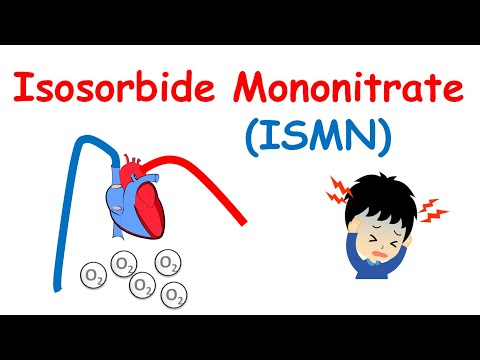
Isosorbide mononitrate is a medication often used to manage certain types of heart issues, especially angina, which is chest pain caused by reduced blood flow to the heart. Imagine your heart as a bustling city reliant on clear roads for traffic—if those roads get blocked or narrowed, congestion occurs, leading to discomfort. Isosorbide mononitrate helps widen those roads, improving blood flow and reducing that heavy feeling in your chest.
However, like any medication, it carries both benefits and risks. While it can significantly improve quality of life for many individuals with heart conditions, it’s vital to understand how it works and what side effects may arise. This will empower you in your health decisions.
Before starting any new treatment, including isosorbide mononitrate, take time to inform yourself through a variety of sources. Consulting different health specialists and evaluating reputable media can offer a well-rounded perspective that guides you safely through your choices. Your health journey deserves careful consideration and awareness!
The information provided in this article is intended solely for general informational and educational purposes. It does not constitute medical advice, diagnosis or professional treatment, and should not be considered a substitute for consultation with a qualified doctor or other licensed healthcare professional. Any health-related decisions should be made in consultation with accredited medical professionals.
While efforts have been made to ensure the information is accurate and up to date, no guarantees are given—either express or implied—regarding its accuracy, completeness, currency or suitability. Use of this information is at your own discretion.
It is strongly recommended to consult official sources such as the NHS (National Health Service) or other recognised medical institutions before acting on any information contained on this website or article. Under no circumstances should professional medical advice be ignored or delayed due to content read here.
This content is of a general and informational nature only. It is not intended to replace individualised guidance from a healthcare professional or to establish any doctor-patient relationship. The publication of this information does not imply any professional responsibility, guarantee or obligation on the part of the author or this site.
Uncovering the Surprising Advantages of This Heart-Friendly Compound
Isosorbide mononitrate is a compound that people may not be familiar with. Yet, it plays a significant role in heart health. This medication is primarily used to manage angina, which is chest pain caused by reduced blood flow to the heart.
One of the main advantages of isosorbide mononitrate is its ability to relax blood vessels. Imagine your blood vessels as flexible tubes. When they relax, it’s easier for blood to flow through. This can reduce the workload on your heart and improve oxygen delivery.
Here are some important aspects to consider about this compound:
While there are benefits, it’s also essential to be aware of potential risks and side effects. Common side effects include headaches and dizziness. These happen because as blood vessels relax, there’s a drop in pressure which can cause these sensations.
Another important note is that tolerance may develop over time. That’s when your body gets used to the medication, and its effectiveness may decrease. To avoid this, healthcare providers often recommend a dosing schedule that allows for breaks.
It’s crucial not to mix isosorbide mononitrate with other medications without consulting a healthcare provider.Paying attention to interactions can help maximize its benefits while minimizing any risks.
As always, being well-informed enables you to engage in thoughtful discussions about your health choices. If you have questions or concerns about this compound or any medication, don’t hesitate to reach out for more information from trusted sources or professionals.
Remember that understanding all aspects—both benefits and risks—empowers you in managing your health effectively while considering options like isosorbide mononitrate.
Understanding the Unexpected: Navigating the Side Effects of Isosorbide
Isosorbide mononitrate is a medication often used to prevent chest pain, known as angina. It works by relaxing blood vessels, making it easier for the heart to pump blood. While it can be effective, like any medication, it comes with potential side effects.
Understanding these side effects is crucial for anyone taking this medication. Each person can react differently based on various factors like age, health conditions, and other medications they might be taking.
Common Side Effects:
In many cases, these side effects are mild and tend to lessen over time as your body adjusts. However, it’s important to communicate with a healthcare provider if they persist.
Serious Side Effects:
Though less common, serious side effects can occur and may require immediate attention:
It’s important not to ignore severe symptoms. Taking isosorbide doesn’t mean you should stop being mindful of how you feel.
Remember that everyone’s body is different. Some people may experience many side effects while others feel none at all. Not all reactions are expected or listed.
Misinformation Alert:
There’s a myth that all medications guarantee relief from symptoms without any downside. It’s essential to understand that medications often have trade-offs.
Managing expectations around treatment is key. Keep an open dialog with your healthcare provider about what you’re experiencing.
In summary, knowing what to expect from isosorbide mononitrate helps in navigating its use effectively. Being informed empowers you to make decisions that best suit your health needs while staying safe and aware of changes in your body’s response.
Understanding the Impact of Isosorbide Mononitrate on Kidney Health
Isosorbide mononitrate is a medication primarily used to manage chest pain, or angina. It belongs to a class of drugs called nitrates. While its main focus is on heart health, it can also have implications for kidney health.
The kidneys play a major role in filtering waste from the blood and regulating fluids in the body. When you take isosorbide mononitrate, it works by widening blood vessels. This allows better blood flow and reduces the workload on the heart. But how does this relate to kidneys?
Increased Blood Flow: Improved circulation can benefit kidney function. The kidneys receive more oxygen and nutrients, which might help them work better.
Fluid Balance: Nitrates can influence fluid levels in the body. If they lead to lower blood pressure, there might be a decrease in kidney perfusion temporarily. This could concern those with existing kidney issues.
Researchers have investigated how nitrates affect renal function over time. Some studies suggest no significant negative impact on healthy kidneys for most people.
However, monitoring is key. Those with pre-existing kidney conditions should be more cautious when using this medication. Drug interactions and existing health problems may complicate matters.
Debunking myths is also vital here. Some people believe nitrates are harmful to all aspects of health without understanding their intended use. While long-term safety studies are ongoing, current findings often show manageable risks when used properly.
Taking medications like isosorbide mononitrate does not mean neglecting other aspects of your health. A balanced diet, regular exercise, and routine medical check-ups support overall well-being.
In conclusion, understanding how medications affect different organs is essential for making informed choices about your health. Knowledge empowers you to engage with healthcare decisions wisely and confidently!
Isosorbide Mononitrate (IM) is a medication commonly prescribed for angina, which is chest pain caused by reduced blood flow to the heart. Understanding the benefits and risks of this drug is essential for informed use.
Benefits:
However, like all medications, IM carries potential risks.
Risks:
In evaluating isosorbide mononitrate’s use, it’s crucial to consider both its therapeutic benefits and the potential risks it poses. Discussing these factors with healthcare providers helps ensure a balanced approach tailored to individual health needs. By staying informed and asking questions about our treatments, we can make responsible health decisions that align with our overall wellbeing.