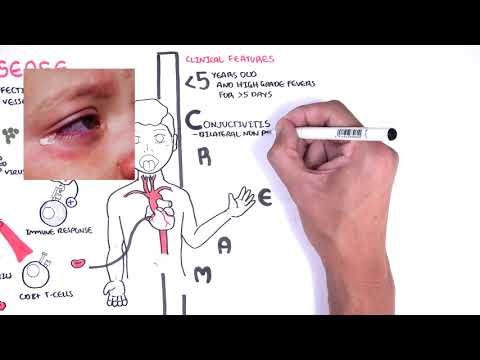
Kawasaki Disease is a rare but serious condition that primarily affects young children. It causes inflammation in the blood vessels, particularly those supplying the heart. Understanding this disease can be key to early diagnosis and effective treatment.
Think of it like a fire in the body. If caught early, it can be extinguished before causing serious damage. The symptoms often include a high fever lasting more than five days, rash, swollen lymph nodes, and changes in the lips and tongue. While these signs may seem like typical childhood illnesses at first glance, Kawasaki Disease requires immediate attention to prevent complications.
As we delve into the symptoms, causes, and diagnostic process of Kawasaki Disease, it’s important to remain vigilant and informed. The information presented here is just a starting point. Consult with healthcare professionals who specialize in children’s health for the most reliable guidance.
Be cautious—Kawasaki Disease can have long-term effects if not treated promptly. Make sure you educate yourself through different specialists and trusted media sources before forming conclusions or taking action. Your child’s health depends on staying informed!
The information provided in this article is intended solely for general informational and educational purposes. It does not constitute medical advice, diagnosis or professional treatment, and should not be considered a substitute for consultation with a qualified doctor or other licensed healthcare professional. Any health-related decisions should be made in consultation with accredited medical professionals.
While efforts have been made to ensure the information is accurate and up to date, no guarantees are given—either express or implied—regarding its accuracy, completeness, currency or suitability. Use of this information is at your own discretion.
It is strongly recommended to consult official sources such as the NHS (National Health Service) or other recognised medical institutions before acting on any information contained on this website or article. Under no circumstances should professional medical advice be ignored or delayed due to content read here.
This content is of a general and informational nature only. It is not intended to replace individualised guidance from a healthcare professional or to establish any doctor-patient relationship. The publication of this information does not imply any professional responsibility, guarantee or obligation on the part of the author or this site.
A Step-by-Step Guide to Identifying Kawasaki Disease Symptoms and Tests
Kawasaki Disease is a rare condition that mainly affects young children. It causes inflammation in the blood vessels throughout the body. Early recognition of its symptoms is crucial because timely treatment can prevent serious heart complications.
The first step is knowing the common symptoms. These typically appear in phases and can last for several days to weeks.
Key symptoms include:
If you notice these signs in your child, it’s important to seek medical attention. Healthcare providers will typically perform several tests to diagnose Kawasaki Disease accurately.
Common tests include:
It’s also important to rule out other conditions that might mimic Kawasaki Disease. This includes infections or other inflammatory diseases.
While Kawasaki Disease isn’t preventable, being aware of its symptoms can aid in quicker diagnosis. Don’t hesitate to discuss any concerns you have with a healthcare professional, as they can provide personalized guidance.
Encouraging good communication about health matters with caregivers can help spot issues earlier. Always remember that early intervention plays a key role in managing this condition effectively.
Understanding Kawasaki Disease is vital but remains just one piece of a larger puzzle of childhood health. Keep an eye on your child’s general well-being and trust your instincts as a parent or caregiver.
Unraveling the Mysteries Behind this Rare Childhood Condition
Kawasaki disease is a rare childhood condition that mainly affects children under five. It’s important to understand this disease because early recognition can make a big difference in treatment.
The exact cause of Kawasaki disease is still unclear. Some researchers think it might be triggered by an infection or an immune response to something in the environment. It’s not contagious, so you don’t have to worry about spreading it to others.
Children with Kawasaki disease often show specific symptoms. They may have a high fever lasting more than five days. Other signs include redness in the eyes, rash on the body, swollen lymph nodes, and changes in the lips and tongue—like a “strawberry tongue.”
It’s crucial to recognize these symptoms quickly. If left untreated, the disease can lead to serious heart problems since it affects blood vessels. The inflammation can cause issues like aneurysms, which are bulges in blood vessels.
Diagnosis involves a thorough physical exam and checking for common symptoms mentioned earlier. There is no single test for Kawasaki disease, but doctors may use blood tests and echocardiograms to assess heart health.
Treatment typically involves intravenous immunoglobulin (IVIG) and aspirin therapy. This helps reduce inflammation and lowers the risk of heart complications.
Parents should keep an eye on their child’s health during recovery since some children may still experience lingering effects even after treatment.
Awareness is key! If you notice these signs or have concerns about your child’s health, don’t hesitate to reach out for help. Early intervention can lead to better outcomes.
It’s also essential to remember that while Kawasaki disease is serious, most children recover completely with proper care. Knowledge empowers parents and caregivers to advocate for their children’s health effectively.
Uncover the Key Signs You Shouldn’t Ignore
Kawasaki disease is a rare but serious condition that primarily affects children. It can cause inflammation in blood vessels, especially those supplying the heart. Understanding the signs is crucial for timely diagnosis and treatment.
Fever lasting more than five days is often the first symptom. It can be high and persistent, not responding well to typical fever reducers.
Rash may appear on the body or genital area. This rash can have different shapes and might be itchy. Sometimes it resembles measles or chickenpox.
Swollen lymph nodes in the neck are another indicator. They may feel like small, tender lumps under the skin.
Changes in lips and mouth include redness, cracking, or swelling of the lips along with a “strawberry” tongue that appears bumpy and bright red.
Kawasaki disease also affects eyes; scleral injection, meaning redness in the whites of the eyes, might occur without discharge.
If you notice any of these symptoms, especially together in a child, it’s important not to wait. Early detection can prevent complications like heart problems.
Most cases are diagnosed between ages 6 months to 5 years but older kids can get it too. While it’s rare, awareness is key since many parents might miss these signs due to their sporadic nature.
Always approach such symptoms with curiosity but also caution; seeking medical help earlier rather than later is always wise.
Remember: Staying informed about your child’s health helps you make confident decisions. Don’t ignore these signs; they could be crucial in getting appropriate care for Kawasaki disease or other conditions that require attention.
Kawasaki Disease is a rare but significant condition primarily affecting children. Understanding its symptoms, causes, and diagnosis is crucial for early detection and treatment. The disease typically presents with prolonged fever, rash, conjunctivitis, and swollen lymph nodes. These symptoms may help parents recognize the need for medical attention.
The exact cause of Kawasaki Disease remains unclear but may involve factors such as genetic predisposition or environmental triggers. This uncertainty highlights the importance of ongoing research to better understand the disease.
Timely diagnosis is critical to prevent complications, particularly heart-related issues like coronary artery aneurysms. Diagnosing Kawasaki Disease involves ruling out other conditions that present similarly, which can sometimes be a complex process.
Overall, enhancing awareness about Kawasaki Disease among caregivers and healthcare providers can lead to earlier recognition and intervention. Education is vital to ensuring that this condition does not go unnoticed in vulnerable populations.