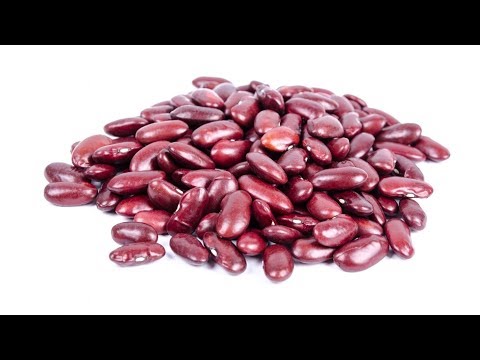
Kidney beans are not just a colorful addition to your favorite chili; they are a true nutritional powerhouse. These small, red legumes offer a delightful array of health benefits and are packed with nutrients that can support your overall well-being. Imagine them as tiny, edible jewels that contribute to your health treasure chest!
In this exploration of kidney beans, we’ll uncover their nutritional profile, including proteins, fibers, vitamins, and minerals. We’ll also delve into their potential health perks—like supporting heart health and stabilizing blood sugar levels—while sharing delicious ways to incorporate them into your meals.
However, it’s important to approach kidney beans with caution. They contain a naturally occurring toxin called phytohaemagglutinin that can be harmful if beans are not cooked properly. Always ensure you soak and cook kidney beans thoroughly before consuming them. It’s crucial to stay informed about food safety by consulting reliable sources and specialists in nutrition.
As we dive into the world of kidney beans, let your curiosity guide you! With the right knowledge, you can make confident decisions that lead to healthier eating habits while enjoying the savory taste of these nutrient-rich legumes.
The information provided in this article is intended solely for general informational and educational purposes. It does not constitute medical advice, diagnosis or professional treatment, and should not be considered a substitute for consultation with a qualified doctor or other licensed healthcare professional. Any health-related decisions should be made in consultation with accredited medical professionals.
While efforts have been made to ensure the information is accurate and up to date, no guarantees are given—either express or implied—regarding its accuracy, completeness, currency or suitability. Use of this information is at your own discretion.
It is strongly recommended to consult official sources such as the NHS (National Health Service) or other recognised medical institutions before acting on any information contained on this website or article. Under no circumstances should professional medical advice be ignored or delayed due to content read here.
This content is of a general and informational nature only. It is not intended to replace individualised guidance from a healthcare professional or to establish any doctor-patient relationship. The publication of this information does not imply any professional responsibility, guarantee or obligation on the part of the author or this site.
Discover the Surprising Ways Kidney Beans Boost Your Well-Being
Kidney beans are not just a tasty addition to your meals; they can also play a significant role in your overall health. Let’s take a closer look at how these legumes might boost your well-being.
First, kidney beans are rich in protein. They provide an excellent plant-based source of this essential nutrient. Protein is crucial for building and repairing tissues in your body.
Next, they’re packed with fiber. Fiber helps support digestion by keeping things moving along in your gut. A high-fiber diet can also aid in weight management by making you feel fuller for longer.
Another perk is their low glycemic index. This means that kidney beans raise blood sugar levels slowly, which is especially important for those managing diabetes. Eating them can help stabilize energy levels throughout the day.
Kidney beans contain essential vitamins and minerals too, including iron and folate. Iron supports oxygen transport in the bloodstream, while folate contributes to cell division and can help prevent anemia.
Moreover, they are loaded with antioxidants. Antioxidants fight free radicals—unstable molecules that can damage cells—and are linked to reducing the risk of chronic diseases such as heart disease.
Keep in mind that while kidney beans offer many health benefits, it’s vital to cook them properly. Raw or undercooked beans can be toxic due to lectins, so make sure you cook them thoroughly before eating.
In summary, incorporating kidney beans into your diet not only adds flavor but also boosts nutrition significantly. As with any food, balance is key—pairing them with a variety of other foods ensures you’re getting all necessary nutrients.
Explore ways to add these delicious legumes into meals like salads or stews! They’re versatile and can be enjoyed warm or cold, making them an easy go-to for healthy eating choices.
Discover the Surprising Benefits and Potential Risks of Making Kidney Beans a Daily Staple
Kidney beans are a popular food, but their benefits and risks aren’t always well understood. Incorporating them into your diet can have surprising perks, but there are also important considerations to keep in mind.
Nutritional Powerhouse: Kidney beans are packed with nutrients. They contain protein, fiber, and essential vitamins like folate. This combination makes them a great addition to meals.
Blood Sugar Control: The fiber in kidney beans can help regulate blood sugar levels. Think of fiber as a slow-release mechanism that can prevent spikes after eating, which is especially helpful for those managing diabetes.
Heart Health: Regularly eating kidney beans has been linked to lower cholesterol levels. This is partly due to their high soluble fiber content, which helps in reducing bad cholesterol (LDL).
Kidney beans contain antioxidants that combat free radicals in the body. Free radicals can damage cells and contribute to diseases over time.
Now, let’s talk about some potential risks associated with kidney beans.
Raw or Undercooked Beans: Kidney beans contain toxins called lectins when raw or improperly cooked. These toxins can cause severe stomach upset if ingested. Always cook kidney beans thoroughly before eating!
Gas and Bloating: Eating kidney beans frequently might lead to digestive discomfort for some people. The fiber and certain sugars can create gas as they ferment in the gut.
Nutrient Absorption Issues: Phytates found in legumes like kidney beans can bind certain minerals, potentially impacting the absorption of nutrients like iron and zinc when consumed excessively without variety in your diet.
Incorporating kidney beans into your daily meals offers numerous health benefits, but moderation is key. Balance them with other foods to ensure you’re getting a wide range of nutrients while minimizing any potential downsides.
Eating well should be enjoyable! Be sure to listen to your body and adjust your diet as needed for optimal health.
Unpacking the Nutritional Power of Kidney Beans for Your Diet
Kidney beans are a popular ingredient in many diets around the world. They are not only versatile but also packed with nutrients. Let’s dive into what makes kidney beans a great choice for your meals.
First off, kidney beans are rich in protein. This makes them an excellent option for vegetarians and vegans. Just like meat, they help build and repair tissues in our bodies. You can think of them as a plant-based superhero for your muscles!
They also contain complex carbohydrates. These provide a steady release of energy, helping you feel fuller for longer. Imagine driving a car with a full tank; complex carbs keep your energy levels high throughout the day.
Another key advantage is their fiber content. Fiber is essential for digestive health, much like how brushing your teeth keeps them clean. A high-fiber diet can also support healthy cholesterol levels and regulate blood sugar.
Kidney beans are rich in vitamins and minerals too. They provide essential nutrients like iron, potassium, and folate. Iron is important for carrying oxygen in the blood, while potassium helps maintain healthy blood pressure levels.
But it’s important to prepare kidney beans properly. Raw or undercooked kidney beans can contain harmful toxins that may upset your stomach. Always soak them first and cook them thoroughly to make them safe to eat.
You can enjoy kidney beans in various dishes! Add them to soups, stews, or salads for extra flavor and nutrition. They blend well with different spices and ingredients.
In summary:
Incorporating kidney beans into your diet is an easy way to boost your nutrient intake. Remember to prepare them safely, so you can enjoy all their health perks! Eating well is about balance, so consider how these little legumes fit into your overall dietary choices.
Kidney beans are more than just a staple in chili and salads; they are nutritional powerhouses that offer numerous health benefits. These legumes are rich in protein and fiber, making them an excellent choice for those looking to maintain or lose weight. Protein helps build and repair tissues, while fiber supports digestive health and promotes feelings of fullness.
One of the standout features of kidney beans is their high levels of antioxidants. Antioxidants combat free radicals in the body, potentially lowering the risk of chronic diseases. They also contain essential nutrients like iron, folate, and potassium, contributing to overall wellness.
Kidney beans can play a role in blood sugar management as well. Their low glycemic index means they release glucose slowly into the bloodstream, helping to stabilize blood sugar levels. This makes them a smart choice for individuals with diabetes or those aspiring to prevent it.
It’s important to note that raw kidney beans can be toxic due to the presence of phytohemagglutinin. Cooking them thoroughly eliminates this risk. While incorporating kidney beans into your diet is beneficial, moderation is key—especially for individuals with certain digestive issues.
In summary, kidney beans are nutrient-dense foods that provide various health perks when prepared correctly. They can be a fantastic addition to a balanced diet, promoting both satiety and numerous health benefits when enjoyed responsibly.