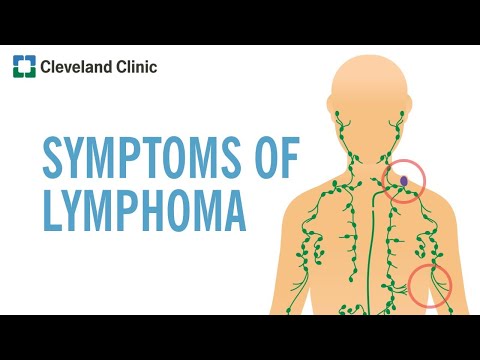
Have you ever felt a lump in your neck and wondered what it could mean? Our lymph nodes, small bean-shaped structures, play a crucial role in our immune system. They help fight off infections and other diseases. However, when something goes awry, like cancer, these swollen nodes can signal that your body is trying to communicate an important message.
Lymph node cancer, also known as lymphoma, can occur when cells in the lymphatic system grow uncontrollably. It’s vital to listen to your body and recognize these cues from your neck. Sometimes it’s nothing serious—a simple infection might be the culprit—but other times it could indicate a more significant issue that needs attention.
While curiosity about symptoms is natural, it’s essential to approach this topic with care. Don’t jump to conclusions or panic. If you notice persistent swelling or discomfort in your neck or elsewhere, it’s wise to consult various specialists who can provide comprehensive insights. Look for trustworthy information through credible health resources and don’t hesitate to seek a second opinion if needed.
Your health is precious—take charge by staying informed and proactive!
The information provided in this article is intended solely for general informational and educational purposes. It does not constitute medical advice, diagnosis or professional treatment, and should not be considered a substitute for consultation with a qualified doctor or other licensed healthcare professional. Any health-related decisions should be made in consultation with accredited medical professionals.
While efforts have been made to ensure the information is accurate and up to date, no guarantees are given—either express or implied—regarding its accuracy, completeness, currency or suitability. Use of this information is at your own discretion.
It is strongly recommended to consult official sources such as the NHS (National Health Service) or other recognised medical institutions before acting on any information contained on this website or article. Under no circumstances should professional medical advice be ignored or delayed due to content read here.
This content is of a general and informational nature only. It is not intended to replace individualised guidance from a healthcare professional or to establish any doctor-patient relationship. The publication of this information does not imply any professional responsibility, guarantee or obligation on the part of the author or this site.
Understanding the Impacts and Treatment Options for Neck Lymph Node Cancer
Neck lymph node cancer refers to cancer that starts in the lymph nodes located in the neck area. The lymphatic system is a crucial part of your immune system, helping to fight infections and diseases.
When cancer affects these lymph nodes, it can disrupt this vital function. Understanding the symptoms is important for early detection and treatment.
Common signs might include swollen lymph nodes in the neck, pain, or discomfort. You may also notice unexplained weight loss or fatigue. It’s easy to dismiss these as minor issues but they can signal a more serious condition.
Treatment options for neck lymph node cancer typically involve a mix of therapies. These may include surgery, radiation therapy, and chemotherapy.
The choice of treatment depends on several factors such as the type of cancer, its stage, and your overall health. Each person’s journey is unique.
It’s crucial to have discussions with healthcare providers who can guide you through the options based on your specific case. Don’t hesitate to ask questions about what each treatment entails.
There are also emerging therapies being researched including immunotherapy which helps stimulate your immune system against cancer cells.
It’s easy to feel overwhelmed when faced with a diagnosis like this. Remember that support systems—friends, family, or support groups—can make a significant difference in coping with challenges.
No matter what path is chosen, staying informed about your condition empowers you to make decisions that align with your values and lifestyle. The more you understand what’s happening in your body—what your neck is trying to tell you—the better equipped you’ll be for this journey ahead.
Always listen closely to your body and seek guidance from professionals when something feels off. Early intervention often plays a key role in successful outcomes for many health issues including cancers.
Understanding the Signs and Symptoms of Neck Lymphoma
Understanding the signs and symptoms of neck lymphoma is crucial for early detection. Lymphoma is a type of cancer that affects the lymphatic system, which plays a role in fighting infections. When it occurs in the neck area, certain signals may appear.
One common sign is the swelling of lymph nodes. You might notice lumps on one side of your neck. These lumps can feel firm and painless at first. As they grow, they might start to feel uncomfortable or cause pressure in the area.
Other signs can include unexplained weight loss. If you find yourself losing weight without trying, it could be concerning. This symptom often happens when the body fights off cancer or other illnesses.
Night sweats are another symptom to be aware of. It’s normal to sweat occasionally at night, but if it happens frequently enough to soak your sheets, it might be worth investigating further.
Also, pay attention to fevers. Persistent low-grade fevers without obvious cause can signal something more serious going on in your body.
If you’re feeling unusually fatigued or weak over a long period without explanation, this could also be a tell-tale sign.
Other potential symptoms include:
It’s important to remember that these symptoms can have many causes other than lymphoma. Stress and infections can lead to similar signs.
If you notice any combination of these symptoms lasting for several weeks, seeking professional advice would be wise. They can help guide you through tests and provide clarity on what’s happening with your health.
Being informed about changes in your body empowers you to make responsible health choices. Trust your instincts and don’t hesitate to reach out when something feels off—your well-being matters most!
Uncovering the Secrets Behind Lymph Node Testing for Cancer Detection
Lymph nodes play a key role in our immune system. They act like little filters that trap harmful substances, including cancer cells. When something goes wrong in the body, such as infection or cancer, lymph nodes can swell up.
Lymph node testing is an important way to detect cancers. Doctors often check these nodes when they suspect cancer might have spread from its original site. A swollen lymph node can be a clue that further investigation is needed.
There are different methods for lymph node testing.
This involves taking a small sample of tissue from the lymph node to look for cancer cells.
Techniques like ultrasound or CT scans create pictures of the nodes and surrounding areas.
Understanding why lymph nodes swell helps us make sense of testing results. Swelling doesn’t always mean cancer; it can also be due to infections or other conditions. It’s essential to interpret the results in context with other health information.
Treatments can vary based on what’s found during testing. If cancer is detected, options might include surgery, radiation, or chemotherapy. Each case is unique.
Regular check-ups and being aware of changes in your body are crucial. If you notice unexplained swelling in your neck or elsewhere, it’s wise to consult a healthcare provider.
Myths about lymph nodes need debunking too. For example, not all swollen nodes mean chemotherapy is needed. Often, they point out inflammation rather than malignancy.
In summary, lymph node testing serves as a valuable tool for detecting cancer early on. Understanding how it works and what it means can empower you to take charge of your health decisions responsibly. Always seek professional guidance for personalized advice regarding any health concerns you may have.
Lymph node cancer, also known as lymphoma, can be a complex and often misunderstood condition. It typically arises in the lymphatic system, which is part of our immune system. Understanding what your body is signaling through symptoms like swollen lymph nodes is crucial.
When you notice a lump in your neck, it’s important to remember that not all swollen lymph nodes indicate cancer. Infections or other benign conditions can cause similar symptoms. However, persistent swelling that doesn’t go away or is accompanied by other signs—like unexplained weight loss, fever, or night sweats—warrants attention.
These signs are your body’s way of communicating distress. The lymph nodes are like checkpoints for your immune system. If they are overwhelmed by infection or disease, they may swell as they work hard to fight off invaders.
An informed perspective encourages individuals to seek medical advice if they observe unusual changes in their bodies. Early detection plays a significant role in successful treatment outcomes for lymphoma and other related conditions.
In discussing lymph node cancer, we should avoid alarmism while emphasizing the importance of listening to our bodies. Knowledge empowers us to make informed health decisions and seek appropriate care when necessary.