The information provided in this article is intended solely for general informational and educational purposes. It does not constitute medical advice, diagnosis or professional treatment, and should not be considered a substitute for consultation with a qualified doctor or other licensed healthcare professional. Any health-related decisions should be made in consultation with accredited medical professionals.
While efforts have been made to ensure the information is accurate and up to date, no guarantees are given—either express or implied—regarding its accuracy, completeness, currency or suitability. Use of this information is at your own discretion.
It is strongly recommended to consult official sources such as the NHS (National Health Service) or other recognised medical institutions before acting on any information contained on this website or article. Under no circumstances should professional medical advice be ignored or delayed due to content read here.
This content is of a general and informational nature only. It is not intended to replace individualised guidance from a healthcare professional or to establish any doctor-patient relationship. The publication of this information does not imply any professional responsibility, guarantee or obligation on the part of the author or this site.
Mastering Hand Washing Techniques for Healthcare Safety
Have you ever considered how many germs lurk on your hands every day? It’s kind of surprising, right? You touch doorknobs, phones, and even your face. And yet, hand washing is one of the simplest ways to protect yourself and others from illness.
This article dives into the best hand washing techniques specifically for healthcare settings. Why? Because when you’re in a hospital or clinic, keeping those germs at bay is crucial. It’s not just about keeping you safe; it’s about protecting patients who might be vulnerable.
You’ll learn the step-by-step process of effective hand washing. We’ll also tackle common mistakes people make and why they matter. I get that it can feel tedious or routine, but mastering these techniques can truly save lives.
Just a heads up: while this information aims to enhance your understanding of hand hygiene, it doesn’t replace professional medical advice. Always consult a healthcare provider when making health decisions. Let’s get started on creating safer environments together!
A Simple Guide to Keeping Your Hands Clean and Healthy
Washing your hands might sound simple, but it’s a key part of staying healthy. You know, our hands touch many surfaces, and they can pick up germs along the way. Let’s talk about why washing our hands properly is important and how to do it right.
Why Hand Washing Matters
Your hands are like little sponges. They absorb dirt, bacteria, and viruses without you even noticing. You might shake someone’s hand or touch a doorknob—next thing you know, you’re transferring those germs to your face or food.
Washing your hands regularly helps prevent infections. It reduces the chances of colds and the flu spreading around. Honestly, who wants to deal with unnecessary sickness?
The Basics of Hand Washing
So what does effective hand washing look like? First off, it’s all about timing and technique.
- Wet your hands: Use clean running water—warm or cold works fine.
- Add soap: A small amount is all you need; lather it up well!
- Scrub: Get in between fingers, under nails, and on the backs of your hands for at least 20 seconds. Think of singing “Happy Birthday” twice!
- Rinse: Make sure all soap is washed off under clean running water.
- Dry: Use a clean towel or let them air dry. If you’re out in public, paper towels can be handy.
The Right Times to Wash Your Hands
You should wash your hands at certain key moments throughout the day. For example:
- Before eating or preparing food
- After using the bathroom
- If you’ve been around sick people
- If you’re handling garbage or cleaning
This isn’t just about catching germs; it also sets an example for others around you! Children especially learn from what they see adults doing.
The Role of Hand Sanitizers
If soap and water aren’t available, hand sanitizers can be an alternative. Look for one that contains at least 60% alcohol. Just squirt a bit in your palm and rub until dry.
Your hands shouldn’t look dirty for sanitizer to be effective; if they’re visibly soiled, washing them with soap is better.
Myths About Hand Hygiene
A common misconception is that you only need to wash after using the bathroom or when things get messy. The truth is we encounter germs constantly! Regular washing is a simple habit we can build into our daily routines to stay healthy.
An additional myth is that antibacterial soaps are significantly more effective than regular soap. Studies suggest plain soap works just as well under normal circumstances!
Main Takeaways
Paying attention to hand hygiene may seem mundane but can have huge health impacts over time! Make sure you wash frequently using proper techniques. Remember there are times when it’s extra important too!
Your health practices spill over into your community—good habits keep everyone safer! By being mindful about cleanliness now, you’re contributing to better overall health down the road.
Essential Practices for Keeping Patients Safe and Healthy
Understanding the Importance of Hand Washing in Healthcare
Hey, you might not think much about it, but hand washing is crucial in keeping patients healthy and safe. It’s one of the simplest ways to prevent infections. Think of your hands as a highway for germs—if they’re clean, fewer germs travel. If not, yikes!
Why Is Hand Washing So Critical?
Consider this: hospitals often care for very sick people whose immune systems aren’t working well. So, when healthcare workers wash their hands properly, they reduce the chance of spreading harmful bacteria and viruses.
The thing is, even when hands look clean, they can still harbor tiny invaders that aren’t visible to the naked eye. That’s why washing with soap and water or using hand sanitizer with at least 60% alcohol is so important.
The Basics of Effective Hand Washing
Alright, let’s break this down into simple steps. First off, wet your hands under clean running water. Then apply soap—liquid or bar works fine. The key is to scrub all surfaces for at least 20 seconds.
- Make sure to scrub between fingers.
- Dirties spots like under fingernails should be included too.
- Rinse thoroughly under running water.
- If possible, dry your hands using a clean towel or air dry them.
It helps to think of a song while you wash! Singing “Happy Birthday” twice takes about the right amount of time for thorough washing.
When Should You Wash Your Hands?
This one’s simple: before and after touching patients! Also remember to wash after eating or using the bathroom. Some people might forget to wash after coughing or sneezing—don’t be one of those people!
Barrier Methods and Their Role
You know how sometimes you’ll see healthcare workers wearing gloves? That’s just another layer of protection against spreading germs. But here’s a common misconception: gloves don’t replace hand washing! Even when gloved up, it’s important to wash afterwards; otherwise you’re just moving germs around.
The Bigger Picture: Patient Safety Culture
Cultivating a culture around safety in healthcare settings is vital too. Everyone from doctors to janitors plays a role here! When everyone embraces hygiene practices like hand washing consistently, patient health improves across board—the whole team contributes.
Your Role as a Patient!
If you’re ever in a healthcare setting (like visiting someone), don’t hesitate to ask if staff have washed their hands before touching you or giving treatments! Being proactive encourages others and keeps everyone safer—the more we talk about it, the better!
A Final Note on Vigilance
The bottom line? Regular hand washing isn’t just good practice; it saves lives! It’s really one of those small things that make such big difference over time. Just like saving change adds up—it’s all about consistency!
Nobody’s perfect though; everyone slips up now and then so let’s just keep reminding each other how vital it truly is!
Mastering the Art of Clean Hands in Just Five Simple Steps
Mastering Hand Washing Techniques for Healthcare Safety
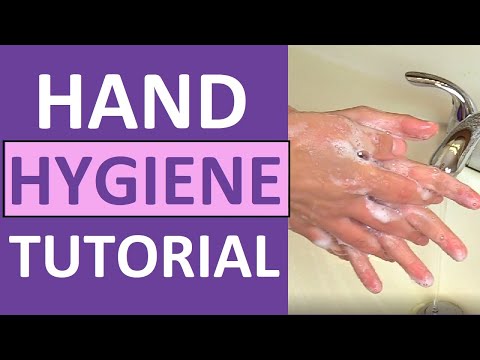
You know, washing your hands might seem simple, but it’s a big deal for keeping germs at bay. Whether you’re in a hospital or just at home, clean hands protect you and others from illness. Here are five steps to master the art of handwashing.
Step 1: Wet Your Hands
First things first, wet your hands with clean, running water. It can be warm or cold—whatever feels comfy for you. The key is to get them nice and wet before adding any soap.
Step 2: Apply Soap
Now it’s time to lather up! Apply enough soap to cover all surfaces of your hands. You don’t need fancy soap; regular liquid or bar soap works just fine. Rub your hands together like you’re trying to warm them up.
Step 3: Scrub Thoroughly
This is the most important part! Scrub all areas of your hands including between your fingers and under your nails. A good rule of thumb? Keep scrubbing for at least 20 seconds—sing “Happy Birthday” two times if that helps you keep track!
Step 4: Rinse Well
Once you’re done scrubbing, rinse your hands under clean running water. Make sure all the soap is washed away because leftover soap can irritate your skin.
Step 5: Dry Your Hands
The final step is drying them properly! Use a clean towel or air dry them. If you’re in a public place, consider using paper towels to turn off taps or open doors afterward to keep from reintroducing germs.
A Few Extras
- You might wonder when to wash your hands—always do it before eating, after using the restroom, or if you’ve been around someone sick.
- If soap and water aren’t an option? Hand sanitizer with at least 60% alcohol can work too!
- If you’re caring for someone who’s sick or handling food—be extra diligent about washing those hands!
- Remember that healthier habits start small; so practice these steps often so they become second nature.
This isn’t just about cleanliness; it’s about protecting each other from illnesses that spread easily through unwashed hands. Think about how many things we touch each day—it adds up quickly! Understanding hand hygiene makes a real difference in healthcare settings and beyond.
Hand washing might seem simple, but it plays a crucial role in healthcare safety. Good hand hygiene is one of the most effective ways to prevent infections in both patients and healthcare providers.
Honestly, the technique matters. It’s not just about using soap and water; it’s how you wash. You need to scrub all surfaces of your hands for at least 20 seconds. Think of it like washing your car—you wouldn’t just splash water on it, right? You’d clean every spot!
The World Health Organization emphasizes five critical moments for hand hygiene in healthcare settings: before patient contact, before aseptic procedures, after body fluid exposure risk, after patient contact, and after contact with patient surroundings. Recognizing these moments can save lives.
It’s also worth noting that alcohol-based hand rubs are effective when soap and water aren’t available. However, they don’t work well if hands are visibly dirty or greasy—imagine trying to remove sticky tape residue only with hand sanitizer.
Training staff on proper techniques isn’t just about following rules; it builds a culture of safety. When everyone understands the importance of hand washing and practices it diligently, patients feel safer and outcomes improve.
In essence, mastering hand washing techniques empowers healthcare professionals to provide safe care while reducing the risk of infection transmission. It’s not just a routine task; it’s a vital skill that can have significant implications for patient health.