The information provided in this article is intended solely for general informational and educational purposes. It does not constitute medical advice, diagnosis or professional treatment, and should not be considered a substitute for consultation with a qualified doctor or other licensed healthcare professional. Any health-related decisions should be made in consultation with accredited medical professionals.
While efforts have been made to ensure the information is accurate and up to date, no guarantees are given—either express or implied—regarding its accuracy, completeness, currency or suitability. Use of this information is at your own discretion.
It is strongly recommended to consult official sources such as the NHS (National Health Service) or other recognised medical institutions before acting on any information contained on this website or article. Under no circumstances should professional medical advice be ignored or delayed due to content read here.
This content is of a general and informational nature only. It is not intended to replace individualised guidance from a healthcare professional or to establish any doctor-patient relationship. The publication of this information does not imply any professional responsibility, guarantee or obligation on the part of the author or this site.
PRK vs. LASIK: Key Differences and What to Expect
Have you ever wondered what it would be like to throw away your glasses or stop fumbling with contact lenses? It’s a dream for so many people. Eye surgeries like PRK and LASIK can make that dream a reality.
But here’s the thing: while both procedures aim to improve vision, they’re quite different in how they do it. Sometimes, those differences matter more than you think. Imagine that PRK is like taking a scenic route—slow but thorough—while LASIK is the highway: fast and direct.
In this article, we’ll explore the key differences between PRK and LASIK, what you can expect before, during, and after each procedure, and how to choose what’s right for you. Knowing these details can really help when considering eye surgery.
Remember though, this isn’t medical advice. Health decisions should always be made with a professional’s guidance. This article is just here to help enlighten you on your options.
Unpacking the Price Differences for Clearer Vision Options
Understanding PRK and LASIK: The Core Differences
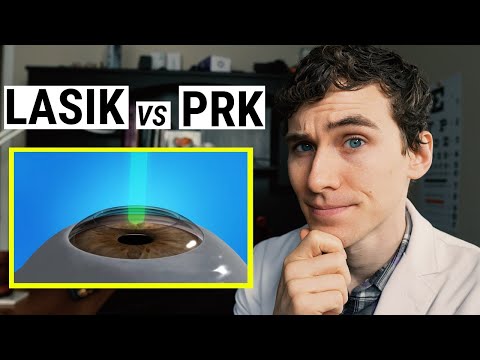
When it comes to vision correction, there are two popular options: PRK and LASIK. Both are effective, but they work differently. PRK, or Photorefractive Keratectomy, involves reshaping the cornea’s surface. LASIK, which stands for Laser-Assisted In Situ Keratomileusis, instead creates a flap in the cornea before reshaping it underneath.
So why does this matter? Well, the methods can influence recovery time and comfort post-surgery. For instance, PRK usually requires more time to heal because the outer layer of the cornea is removed entirely. Maybe think of it like a scraped knee; it takes a bit longer for that skin to grow back than if you just had a little cut.
The Recovery Period
After LAISK surgery, many people notice improved vision almost right away—often within hours! On the other hand, with PRK, patients may take several days to see significant improvement. Some even experience discomfort afterwards since that top layer of skin needs to regenerate.
It’s important to consider your lifestyle too. If you’re someone who is often active or has a job that requires quick sight recovery; LASIK might be more appealing for you.
Cost Considerations
Now let’s chat about costs because that can play a big role in deciding between these procedures. Generally speaking, LASIK tends to be more expensive than PRK. This is partly due to the technology used and the specifics of each surgery process.
- PRK usually costs less because it doesn’t involve creating a flap in the cornea.
- Surgery prices can also vary based on location—you know how certain areas just tend to be pricier than others?
- Insurance often doesn’t cover these procedures since they’re considered elective but checking with your plan is always smart!
Long-Term Effects and Considerations
A common question people have is: will either procedure affect my eyes in the long run? Generally speaking, both surgeries have been around long enough for doctors to have good insight into their lasting effects.
You might hear about risks like dry eyes or fluctuating vision after either treatment; this isn’t uncommon but varies from person to person. Some find these issues fade over time—kinda similar to when you get used to wearing glasses after not wearing them for ages!
Your Personal Needs Matter
The final decision should really take into account your specific needs and preferences. Have you tried contacts or glasses before? How do you feel about potential discomfort after surgery? Talking through all this with someone who knows your history well could provide valuable insights too.
The bottom line here: both PRK and LASIK offer promising paths toward clearer vision—but they do come with unique pros and cons regarding costs and recovery processes. Making an informed choice means weighing those differences against what suits your life best.
Understanding the Risks and Realities of Eye Surgery Choices
Understanding Eye Surgery Choices
Hey there! Let’s chat about eye surgery options, focusing on PRK and LASIK. Both are popular choices for vision correction but come with their own sets of risks and benefits.
What’s the Big Deal?
PRK (Photorefractive Keratectomy) and LASIK (Laser-Assisted In Situ Keratomileusis) are procedures aimed at improving vision. They work by reshaping the cornea, which is the clear front part of your eye.
The Main Differences
- Surgical Approach: In LASIK, a flap is created in the cornea, then a laser reshapes the underlying tissue. For PRK, the outer layer of cells is removed completely before reshaping.
- Recovery Time: LASIK usually offers a faster recovery—people often see well within a day. PRK can take days to weeks for optimal vision to settle in.
- Pain Level: Some people find PRK more uncomfortable initially since it involves removing cells from the cornea. But don’t worry; this typically improves after a few days.
Who’s It For?
If you have thin corneas or certain eye conditions, PRK might be recommended over LASIK. It’s like choosing between two paths based on where you’re starting from!
The Risks Involved
No surgery is without risks! Potential complications include dry eyes, glare, halos around lights at night or even under-correction or over-correction of vision.
- Dry Eyes: Both procedures can lead to temporary dryness in eyes post-surgery but this can often be managed with lubricating drops.
- Nerve Damage: There’s a small chance that nerve endings may be affected during surgery, leading to sensations that could feel weird or uncomfortable.
Your Expectations
You might wonder about what happens after these procedures. Many feel excitement mixed with anxiety—that’s totally normal! Ensuring you have realistic expectations before diving in is key.
A Personal Touch
Talking with someone who has undergone either procedure can give you insight into real-life experiences. Everyone’s journey is different so stories vary widely!
The Bottom Line
You really need to weigh your options carefully when thinking about PRK vs LASIK. It’s important to consult with professionals who can provide tailored advice based on your unique situation.
Choosing the Best Eye Surgery for Your Vision Needs
When you consider eye surgery options like PRK and LASIK, it can be a bit overwhelming. Both procedures aim to correct vision problems, but they have some key differences you should know about.
What is PRK?
PRK stands for Photorefractive Keratectomy. It’s often seen as an alternative to LASIK. In this procedure, the outer layer of the cornea is removed to reshape the underlying tissue with a laser.
This means it might take a little longer to recover since that outer layer needs time to grow back. Some people describe pain during the initial healing period, like having a mild scratchiness in their eyes.
What is LASIK?
LASIK stands for Laser-Assisted In Situ Keratomileusis. It’s one of the most popular vision correction surgeries out there. The process involves creating a flap in the cornea and using a laser to reshape the corneal tissue beneath.
The recovery time is usually quicker compared to PRK because only a thin flap needs to heal. Many folks notice improvements in their vision almost right after surgery.
A Key Difference: Recovery Time
The recovery experience is probably one of the biggest differences between PRK and LASIK. With LASIK, people often return to regular activities within days. But with PRK? It might take several days or even weeks before your vision stabilizes fully.
If you’re someone who’s always on-the-go, that quick turnaround can be really appealing.
Your Eye Health Matters
Your overall eye health is crucial when deciding between these two procedures. Factors like corneal thickness or any pre-existing conditions can influence which surgery might work best for you.
- If you have thin corneas, PRK may be more suitable.
- If you lead an active lifestyle or play sports often, LASIK’s quick recovery might be beneficial.
Consulting with Professionals
It’s essential to talk with an eye care professional who can assess your unique situation and guide you through your options. They’ll examine factors like your prescription strength and overall eye health during this process.
Your Comfort Matters
You should also think about what makes you feel comfortable during procedures. Some people prefer less invasive methods, while others value speed over everything else. Remember that everyone’s experience may differ.
Final Thoughts
The choice between PRK and LASIK isn’t always clear-cut; it’s very personal! What works for one person may not be right for another, so keep an open dialog with your healthcare provider throughout this decision-making journey!
When exploring vision correction options like PRK and LASIK, it’s crucial to understand their distinct characteristics. Both procedures aim to improve vision, but they operate differently.
PRK, or Photorefractive Keratectomy, involves removing the outer layer of the cornea. This layer regenerates over time. The recovery might be slower compared to LASIK because your eyes need time to heal after the procedure.
On the other hand, LASIK, or Laser-Assisted In Situ Keratomileusis, creates a flap in the cornea instead of fully removing it. This flap allows for quicker healing and less discomfort post-surgery. Many people appreciate how fast they can return to their daily activities following LASIK.
One key consideration is candidate suitability; your eye health and vision needs will determine which option is right for you. For instance, PRK may be better for those with thinner corneas while LASIK could suit a wider range of patients.
The risks are relatively low with both procedures; however, side effects can include dry eyes or glare at night. It’s important to have realistic expectations and discussions with an eye care professional before making a decision.
Ultimately, knowing these differences can help individuals make informed choices about their eye health and which surgery aligns best with their lifestyle.