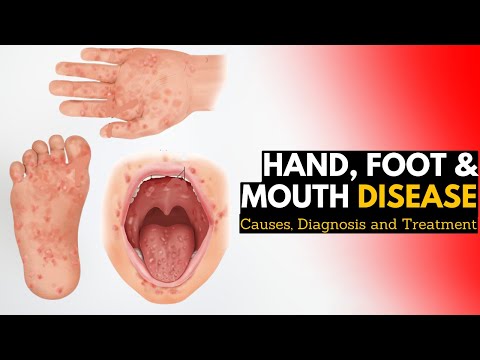
Hand, Foot, and Mouth Disease (HFMD) might sound alarming, but it’s a common viral infection that primarily affects children under five. It gets its name from the sores that appear on the hands, feet, and inside the mouth. Understanding this illness can help you recognize it early and manage its symptoms effectively.
HFMD is caused by viruses from the enterovirus family, with coxsackievirus being the most common culprit. The disease typically starts with a mild fever and sore throat, followed by painful mouth sores and rashes on the hands and feet. While it usually resolves on its own within a week or two, comfort measures like hydration and pain relief can be helpful.
Recognizing HFMD early can make a significant difference in your child’s comfort level. Look for signs such as ulcer-like lesions in the mouth or red spots that may develop into blisters on the skin. Most importantly, remember that HFMD is contagious through direct contact with an infected person’s saliva or fluid from their blisters.
However, always approach health information critically! It’s crucial to consult various specialists to gain a well-rounded understanding of HFMD. Different sources may offer unique insights or perspectives—what works for one person may not be suitable for another. By seeking out reliable information from trusted media and professionals, you empower yourself to make informed decisions about your family’s health.
The information provided in this article is intended solely for general informational and educational purposes. It does not constitute medical advice, diagnosis or professional treatment, and should not be considered a substitute for consultation with a qualified doctor or other licensed healthcare professional. Any health-related decisions should be made in consultation with accredited medical professionals.
While efforts have been made to ensure the information is accurate and up to date, no guarantees are given—either express or implied—regarding its accuracy, completeness, currency or suitability. Use of this information is at your own discretion.
It is strongly recommended to consult official sources such as the NHS (National Health Service) or other recognised medical institutions before acting on any information contained on this website or article. Under no circumstances should professional medical advice be ignored or delayed due to content read here.
This content is of a general and informational nature only. It is not intended to replace individualised guidance from a healthcare professional or to establish any doctor-patient relationship. The publication of this information does not imply any professional responsibility, guarantee or obligation on the part of the author or this site.
Essential Steps to Manage and Alleviate Symptoms Effectively
Hand, foot, and mouth disease (HFMD) is a common illness that mainly affects young children. It’s caused by viruses, often enteroviruses. Symptoms can include fever, sore throat, and painful sores in the mouth.
Recognizing the symptoms early on can help in managing the condition effectively. Here are some essential steps:
Stay Hydrated. It’s important to drink lots of fluids. Fever and mouth sores can make it hard to swallow. Offer cool drinks or ice pops to ease discomfort.
Pain Relief. Over-the-counter medications like acetaminophen or ibuprofen can help alleviate pain and reduce fever. Always follow package instructions for dosage.
Soft Foods. Eating might be uncomfortable. Provide soft foods like applesauce or yogurt that are easy to swallow and won’t irritate ulcers.
Good Hygiene Practices. Wash hands regularly with soap to prevent spreading the virus. Clean toys and surfaces often, especially if someone is sick.
Rest Is Key. Encourage plenty of rest for recovery. Sleep helps the body fight off infections more effectively.
Many people worry about complications with HFMD, but serious issues are rare. Most cases resolve within a week or so without treatment beyond symptom management.
Remember, while these steps can help manage symptoms, they do not replace professional medical advice. If symptoms worsen or you have concerns, consult a healthcare provider for further guidance.
Keeping informed about HFMD ensures you’re prepared if it arises in your household. Use this knowledge wisely to support your loved ones during their recovery journey!
Unlocking Simple Solutions for Soothing Symptoms at Home
Hand, Foot, and Mouth Disease (HFMD) is a common viral infection, mainly seen in young children. It’s usually not serious, but it can cause discomfort. Recognizing the symptoms early can help manage them effectively at home.
The main symptoms include fever, sore throat, and mouth sores. You might also notice a rash on the hands and feet. These signs often start suddenly. It’s vital to keep an eye on your child if they exhibit these symptoms.
Soothing these symptoms can be done with simple home remedies:
It’s important to remember that HFMD is contagious. Good hygiene practices can prevent the spread of the virus:
Most cases of HFMD resolve within a week without complications. But keep in mind that monitoring your child is crucial throughout this period.
If symptoms worsen or new issues arise—like difficulty breathing or severe dehydration—it’s wise to consult a healthcare professional for further guidance.
Overall, while HFMD may be uncomfortable for little ones, home care methods can go a long way in providing comfort until they feel better!
Simple Steps to Identify and Verify Symptoms of Hand, Foot and Mouth Disease
Hand, Foot, and Mouth Disease (HFMD) is a common viral infection, especially in young children. It can be concerning when you notice symptoms in your little ones. Let’s break down how to identify and verify these symptoms with simple steps.
First, know the common signs of HFMD:
When checking for these symptoms, observation is key. If your child has a fever followed by mouth sores or a rash, HFMD could be the cause.
The blisters can be quite uncomfortable but usually aren’t serious. Think of them like small water balloons that eventually pop. They may cause discomfort but generally heal without complications.
Next, verifying symptoms involves considering recent exposures. Has your child been around others who have had HFMD? The disease spreads easily through close contact and shared items.
It’s also helpful to monitor symptom progression. In most cases, symptoms will peak within a few days before gradually improving. If things aren’t getting better after a week or if you notice severe pain or other concerning signs—like dehydration—reach out for guidance.
Also remember to consider if it’s flu season or another illness outbreak; sometimes symptoms overlap with other conditions like chickenpox or hand dermatitis.
Lastly, while monitoring your child’s health at home is important, consulting with healthcare professionals can provide clarity on diagnosis and treatment options when needed.
Stay calm and informed—HFMD typically resolves on its own with supportive care at home like fluids and rest. However, keeping an eye on symptoms helps ensure proper care if necessary.
Recognizing and treating Hand, Foot, and Mouth Disease (HFMD) is vital, especially since it primarily affects young children. This viral infection, often caused by the coxsackievirus, is highly contagious and spreads easily in communal settings.
Early recognition of the symptoms—such as fever, mouth sores, and rashes on the hands and feet—is crucial. These symptoms can often be mistaken for other illnesses. Education about these signs helps parents seek timely medical care.
Treatment for HFMD is mostly supportive. Since there is no specific antiviral medication for this virus, managing symptoms becomes key. Adequate hydration is essential as painful mouth sores can make eating and drinking difficult. Over-the-counter pain relievers can help alleviate discomfort.
It’s important to address common misconceptions about HFMD. Some people believe it only occurs in summer months or that it can be treated with antibiotics; neither is true. Awareness campaigns highlighting these truths can empower parents to take appropriate action without unnecessary worry.
Understanding the importance of hygiene plays a significant role in prevention. Regular handwashing and cleaning contaminated surfaces significantly reduce transmission among children.
In summary, recognizing HFMD involves familiarity with its symptoms and a supportive approach to treatment. Education about transmission prevention can also foster healthier environments for children to thrive in while minimizing outbreaks within communities.