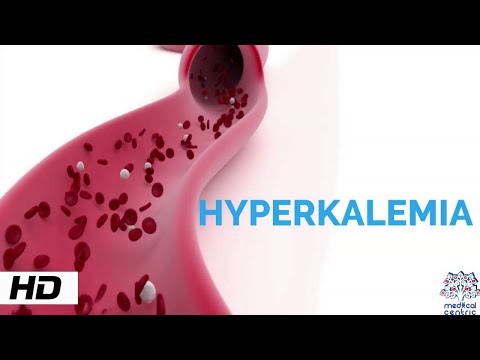
Hyperkalemia is a condition that occurs when there is too much potassium in your blood. Potassium is essential for many bodily functions, particularly in helping your heart, muscles, and nerves work properly. However, too much of it can lead to serious health issues.
Recognizing hyperkalemia early can make a significant difference. It’s like noticing a small leak in a roof before it turns into a flooded living room. Being aware of the signs and symptoms can help you seek timely medical advice and avoid potential complications.
Common signs include muscle weakness, fatigue, palpitations or irregular heartbeats, and even tingling sensations. These may seem subtle at first—much like how we sometimes ignore signs of fatigue after a long day. But understanding these signals can guide you toward taking important steps for your health.
While this article aims to provide valuable insight into hyperkalemia, it’s crucial not to rely solely on one source of information. Always engage with healthcare professionals who understand your unique health situation. The complexity of health conditions like hyperkalemia warrants diverse perspectives, so consult different specialists and credible resources to deepen your understanding.
Stay curious about your body and pay attention to its signals—your well-being depends on it!
The information provided in this article is intended solely for general informational and educational purposes. It does not constitute medical advice, diagnosis or professional treatment, and should not be considered a substitute for consultation with a qualified doctor or other licensed healthcare professional. Any health-related decisions should be made in consultation with accredited medical professionals.
While efforts have been made to ensure the information is accurate and up to date, no guarantees are given—either express or implied—regarding its accuracy, completeness, currency or suitability. Use of this information is at your own discretion.
It is strongly recommended to consult official sources such as the NHS (National Health Service) or other recognised medical institutions before acting on any information contained on this website or article. Under no circumstances should professional medical advice be ignored or delayed due to content read here.
This content is of a general and informational nature only. It is not intended to replace individualised guidance from a healthcare professional or to establish any doctor-patient relationship. The publication of this information does not imply any professional responsibility, guarantee or obligation on the part of the author or this site.
Understanding the Warning Signals of Excess Potassium in Your Body
Understanding potassium is essential for maintaining good health. It’s a mineral that your body needs to function correctly. But what happens when there’s too much of it? This condition is called hyperkalemia, and recognizing its warning signs is important.
Potassium plays several roles in your body. It helps with muscle contractions, nerve signals, and maintaining fluid balance. However, when levels rise too high, it can put you at risk for serious health issues.
Here are some key signs and symptoms of excess potassium:
Hyperkalemia often doesn’t show obvious symptoms at first. That’s why it’s sometimes called a “silent danger.” Many people don’t realize they have high potassium levels until they undergo testing.
Causes of hyperkalemia vary widely. Certain medications, kidney issues, and even dietary habits can lead to increased potassium levels. If you eat a lot of potassium-rich foods like bananas and avocados but have kidney problems, that can worsen the situation.
Remember that not everyone will experience all symptoms. Some people might feel only one issue while others might feel several at once.
If you suspect you have high potassium levels, seek guidance from a healthcare provider. They can offer proper tests and treatments tailored to individual needs.
It’s also good to stay informed about your body’s signals. While knowledge is empowering, it’s essential not to jump to conclusions without proper evaluation.
In conclusion, understanding the warning signals of excess potassium is vital for overall wellness. Stay aware of how you’re feeling and don’t hesitate to ask for help if something seems off. Awareness is key—your body communicates with you; listen closely!
Spotting the Signs: A Simple Guide to Identifying High Potassium Levels
High potassium levels in the blood, known as hyperkalemia, can be serious. Understanding the signs and symptoms can help you recognize when something might be wrong. It’s like being your own health detective.
Potassium is an essential mineral. It helps regulate heart function and fluid balance in the body. However, too much potassium can lead to problems.
Here are some key signs of high potassium levels:
Sometimes, there may not be any symptoms at all. That’s why regular check-ups can help catch high potassium levels early.
Certain factors increase the risk of hyperkalemia. These include kidney disease, certain medications, and a diet very rich in potassium foods like bananas and oranges.
If you suspect high potassium levels, it’s important to seek medical advice. Don’t try to diagnose yourself based on symptoms alone.
Also, myths about high potassium exist. For instance, “Eating bananas will always cause hyperkalemia” is misleading. Everyone has different dietary needs based on their health condition.
Stay informed about your health and make mindful choices regarding diet and lifestyle. Awareness is key!
Uncovering the Signs of High Potassium Levels in the Body
High potassium levels in the body are known as hyperkalemia. This condition can have significant health implications. Understanding the signs and symptoms is crucial for early detection and management.
Potassium is a mineral that plays a key role in many bodily functions. It helps regulate muscle contractions, including those of the heart. Having too much potassium can disrupt these functions.
Common signs of hyperkalemia include:
These signs may not show up immediately, so it’s important to listen to your body.
Causes of hyperkalemia can vary. Some common factors include kidney dysfunction, certain medications, or excessive potassium intake from food or supplements.
It’s essential to know that just having one of these symptoms doesn’t mean you have hyperkalemia. They could also relate to other health issues.
Maintaining balanced potassium levels is key for overall health. Eating a well-rounded diet with appropriate amounts of fruits and vegetables typically supports this balance.
If you notice any worrying symptoms, it’s advisable to consult with a healthcare professional for guidance on what steps to take next.
Being informed about hyperkalemia helps you make better choices about your health. It also empowers you to talk openly with healthcare providers if concerns arise.
Remember, awareness is an important part of taking care of yourself!
Hyperkalemia is a condition characterized by elevated potassium levels in the blood. Understanding its signs and symptoms is crucial because high potassium can impact heart function, potentially leading to serious complications.
Key symptoms include muscle weakness, fatigue, and palpitations. These may seem vague at first, often mistaken for everyday tiredness or stress. However, if someone experiences sudden and unexplained muscle cramps or a feeling of heaviness, it warrants attention.
In severe cases, hyperkalemia can manifest as abnormal heart rhythms or even cardiac arrest. This underlines the importance of recognizing early signs. Routine blood tests can help detect elevated potassium levels before they lead to more significant health issues.
It’s essential to stay informed and proactive about our health. Regular check-ups can be invaluable in monitoring electrolyte balances, especially for individuals with conditions like kidney disease or those taking certain medications.
Educating ourselves on such conditions fosters better health management and empowers us to seek timely medical advice when needed. Always consult healthcare providers if you notice concerning symptoms related to your heart or muscles; early intervention can make a significant difference in outcomes.