The information provided in this article is intended solely for general informational and educational purposes. It does not constitute medical advice, diagnosis or professional treatment, and should not be considered a substitute for consultation with a qualified doctor or other licensed healthcare professional. Any health-related decisions should be made in consultation with accredited medical professionals.
While efforts have been made to ensure the information is accurate and up to date, no guarantees are given—either express or implied—regarding its accuracy, completeness, currency or suitability. Use of this information is at your own discretion.
It is strongly recommended to consult official sources such as the NHS (National Health Service) or other recognised medical institutions before acting on any information contained on this website or article. Under no circumstances should professional medical advice be ignored or delayed due to content read here.
This content is of a general and informational nature only. It is not intended to replace individualised guidance from a healthcare professional or to establish any doctor-patient relationship. The publication of this information does not imply any professional responsibility, guarantee or obligation on the part of the author or this site.
Recognizing Saddle Pulmonary Embolism: Symptoms and Care
Have you ever felt a sudden tightness in your chest and wondered if it was something serious? It’s a little unsettling, right? Well, saddle pulmonary embolism is one of those conditions that might pop into your mind when you experience unusual symptoms like that.
This type of embolism occurs when a blood clot blocks major arteries in the lungs. It can be life-threatening, so understanding it is really important. Maybe you’ve heard the term “pulmonary embolism” before, but saddle pulmonary embolism specifically refers to clots that sit at the bifurcation point in the lungs—this means they affect both sides at once.
In this article, we’ll explore what symptoms to watch for and how to approach care if you think something’s off with your health. After all, timely recognition can make a huge difference.
Please remember: this content isn’t a substitute for professional medical advice. Always consult with a healthcare provider about any health concerns or decisions!
Understanding the Odds: Navigating the Journey of Saddle Pulmonary Embolism Recovery
Understanding Saddle Pulmonary Embolism
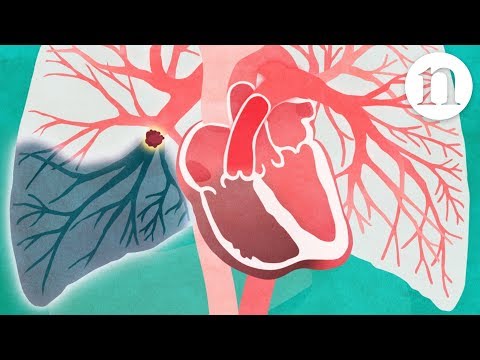
Hey, let’s talk about saddle pulmonary embolism (SPE). It sounds complicated, but it’s basically when a larger blood clot gets stuck at the point where the arteries branch off to each lung. So, think of it like a traffic jam at a fork in the road. This blockage can be very serious because it disrupts blood flow.
Recognizing Symptoms
Saddle pulmonary embolism can show up with some pretty alarming symptoms. People might feel sudden shortness of breath or chest pain that gets worse when they take deep breaths. Sometimes they even feel dizzy or lightheaded. It’s essential to recognize these signs early.
What Causes It?
You know how some things just pile up out of nowhere? That’s kind of what happens with clots. Factors like prolonged immobility, certain medical conditions, or even surgery can create clots in your veins that travel to your lungs.
The Journey of Recovery
If someone encounters this kind of emergency, recovery involves a multifaceted approach. The aim is to break down the clot and improve blood flow back to normal. Patients may receive medications, often referred to as anticoagulants or “blood thinners.” These help prevent new clots from forming while their body eliminates the existing ones.
Coping with Recovery
Recovery isn’t just physical; it’s mental too. Sometimes people experience anxiety after such an event, and that’s completely normal. Support from friends and family becomes really important here. Talking through fears and concerns helps make the journey smoother.
Following Up
After an event like this, doctors usually recommend follow-up appointments to monitor progress. Those check-ins let you discuss any lingering symptoms or side effects from treatment. It’s also an opportunity for health care providers to adjust medications if needed.
Lifestyle Changes
You might wonder if lifestyle changes are necessary after experiencing a saddle pulmonary embolism. Well, yes! Making adjustments is often part of the healing process—like staying active when possible and maintaining a healthy diet.
Navigating Care Options
- Mental Health: Consider counseling for emotional support during recovery.
- Physical Activity: Start slow; perhaps short walks as advised by your healthcare provider.
- Nutrition: Eating well plays a key role in overall recovery.
- Avoiding Risk Factors: Limiting time spent immobile can help you avoid future risks.
The journey might seem daunting sometimes; honestly though, many people recover fully with proper care and attention – taking things day by day often helps!
A Note on Myths
Sometimes there are myths about blood clots making them sound scarier than they really need too be. For instance, not everyone who has one will end up in serious trouble if they seek prompt care.
If you have questions about personal risks or symptoms always reach out for professional guidance!
Exploring the Lasting Impact on Lung Health and Overall Well-Being
Understanding Saddle Pulmonary Embolism
Saddle pulmonary embolism is a serious condition, and it has a big impact on lung health. It happens when a large blood clot blocks the main pulmonary artery or its major branches. This is like trying to drink from a straw that’s blocked—there’s no flow, right? The blood can’t reach the lungs effectively.
What are the Symptoms?
When someone has a saddle pulmonary embolism, the symptoms can hit hard and fast. You might notice sudden shortness of breath, chest pain that gets worse with deep breaths, or even coughing up blood. Sometimes people feel dizzy or faint too.
Let’s think about this: imagine you’re running outside and suddenly can’t catch your breath. That feeling isn’t something to ignore and could be linked to conditions like this.
The Long-Term Impact on Lung Health
Surviving a saddle pulmonary embolism can lead to long-lasting effects on lung health. For some, it might mean developing chronic respiratory problems. This could include issues like shortness of breath during daily activities, which affects overall well-being.
If we relate this to life: consider how challenging it would be if every time you walked up stairs you felt winded—it’s tough!
What About Overall Well-Being?
The impact isn’t just physical; it often extends into emotional well-being as well. Living with breathing difficulties can lead to anxiety or depression for many individuals. Everyday tasks may become daunting when you’re not able to breathe comfortably.
Caring for Your Lungs
Caring for lung health after such an event is key! Regular follow-ups with healthcare providers are essential. They might suggest tests like imaging studies or blood tests to monitor your condition over time.
You know, also staying active within safe limits can help strengthen your lungs again—think gentle walks instead of intense workouts at first.
A Final Note on Awareness
Being aware of the symptoms and understanding how they affect health over time is crucially important. If something feels off in your body, don’t hesitate—reach out for help sooner rather than later!
- If you’re feeling any sudden changes in your breathing pattern—call someone!
- Lung health matters, so taking care of these organs should always be a priority.
- Remember that being educated and proactive about your health makes a real difference in outcomes.
Navigating Innovative Approaches for Effective Relief and Recovery
Navigating Saddle Pulmonary Embolism: Understanding Symptoms and Care
Hey there! Let’s chat about something that might sound a bit scary: saddle pulmonary embolism. It’s where a blood clot travels to the lungs, lodging itself in the main artery. This can be pretty serious, but understanding it is key.
What Are the Symptoms?
So, imagine feeling suddenly short of breath. That’s one common symptom. You might also feel chest pain or even cough up blood—yikes, right? These symptoms can happen out of nowhere, sometimes when you’re just relaxing or after exertion.
Other signs include feeling dizzy or faint. People often describe this as like their heart racing for no good reason. It’s important to pay attention to these signals.
What Causes It?
The thing is, blood clots usually start in the legs due to deep vein thrombosis (DVT) before finding their way to the lungs. Factors like prolonged sitting during long flights or surgeries can increase your risk.
If you have certain health conditions—like obesity or recent surgeries—you might be more prone to this issue. It basically comes down to how well your blood circulates.
Immediate Actions
If you suspect saddle pulmonary embolism, don’t wait around. Call for help immediately! Sometimes people hesitate because they think it’s nothing serious—but with breathing issues and chest pain, better safe than sorry!
Treatment Options
Treatments vary based on severity but often involve anticoagulants—think of them as “blood thinners.” They help prevent new clots from forming while existing ones dissolve over time.
Sometimes doctors may need to use a procedure called thrombolysis which actually breaks down the clot faster using medication infused directly into it.
Coping and Recovery
Recovery takes time and may require lifestyle changes too—like improving diet and increasing activity levels gradually. Walking more can really make a difference in circulation!
A Few Key Takeaways
- Saddle pulmonary embolism is serious; symptoms include breathlessness and chest pain.
- Caused by clots traveling from legs; risk factors are important!
- Immediate medical attention is crucial if symptoms occur.
- Treatments include medications that thin blood and surgical options if necessary.
- Lifestyle changes post-recovery matter for preventing future clots.
The road to recovery isn’t just about treating symptoms; it’s about understanding what’s happening within your body too! So always keep talking with healthcare providers who can guide you through this journey with care and support.
Recognizing Saddle Pulmonary Embolism: Symptoms and Care
Saddle pulmonary embolism (PE) is a serious condition where a blood clot blocks blood flow to major branches of the lungs. This type of embolism can cause sudden and severe issues, making recognition crucial.
Symptoms to Watch
Patients might experience chest pain that feels sharp or like pressure. Some people may also notice shortness of breath, which can happen suddenly. Others report anxiety or panic as their body’s response to lack of oxygen.
An important sign is coughing up blood—called hemoptysis. It’s alarming but not all patients show this symptom. Sometimes, it manifests with lightheadedness or fainting due to decreased blood flow.
Care and Management
If you suspect someone has a saddle PE, seeking immediate medical attention is vital. Healthcare providers often use imaging tests like CT scans for diagnosis, as they show the location and size of the clot.
Treatment typically involves anticoagulants, medications that help prevent further clotting. In critical cases, more invasive procedures like thrombectomy may be necessary to physically remove the clot.
Look, it’s essential for both healthcare workers and patients to stay informed about these symptoms. Early recognition can save lives. Understanding this condition means being prepared and knowing when to act fast.